 Search


FAQs
What makes a coin valuable?


I have coins to sell, what’s the next step?
How will my purchases be shipped?
What happens if I’m not entirely happy with my purchase?
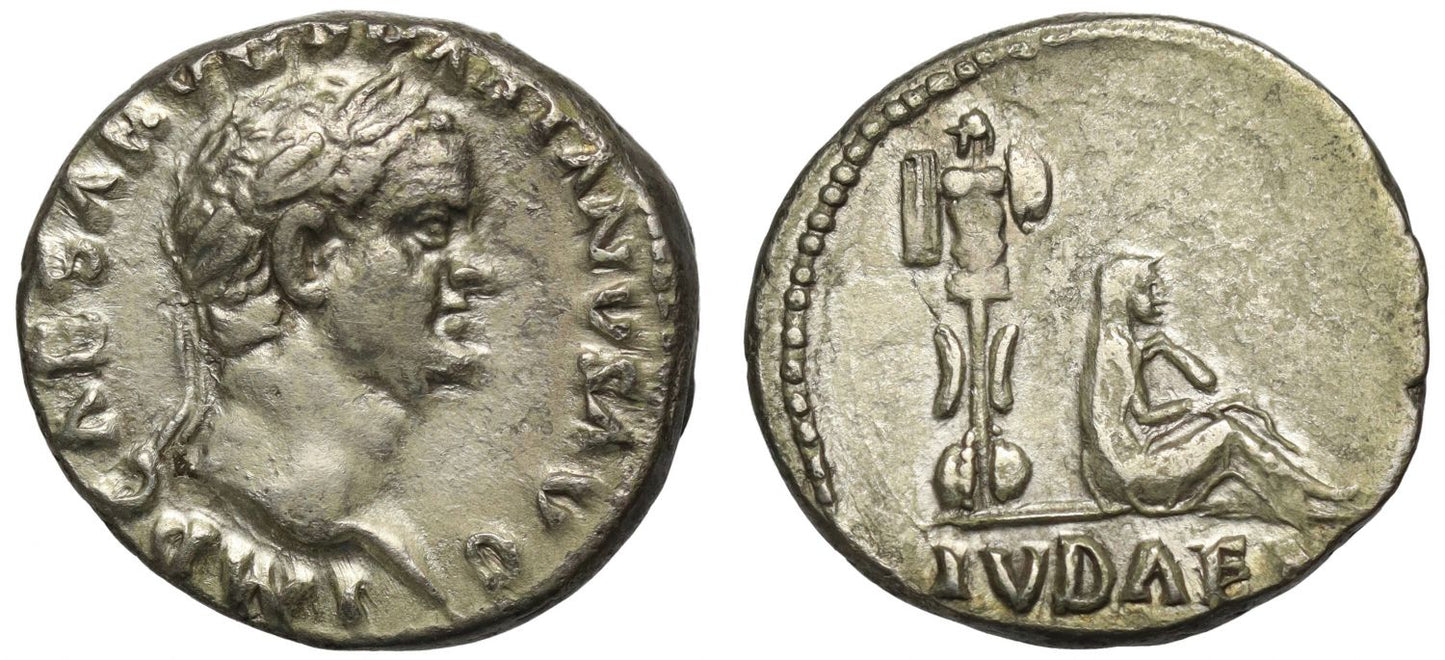
Vespasian, Silver Denarius, Judea Capta, AD 69-70, Rome
Vespasian (AD 69-79), Judea Capta Denarius, Rome, AD 69-70, IMP CAESAR VESPASIAN AVG, laureate head right, rev. IVDAEA, in exergue, Judaea seated as base of trophy, 3.42g, 6h (RIC II 2). Good very fine with traces of lustre, scarce.
Provenance:
Ex CNG Electronic Auction 220, 14 October 2014, lot 431
The Judaea Capta denarius of Vespasian, struck at Rome around 69-70 AD, commemorates one of the most important Roman military victories of the first century AD. The coin was issued shortly after Vespasian became emperor during the intense Year of the Four Emperors 69 AD, when civil war had brought an end to the Julio-Claudian dynasty and created a struggle for control of the Roman Empire.
The events commemorated by the coin began with the First Jewish Revolt, which broke out in Judaea in 66 AD. The revolt was a major challenge to Roman authority, and the emperor Nero appointed the experienced general Vespasian to suppress it. Vespasian campaigned successfully through much of Judaea before becoming emperor in 69 AD. Command of the Roman army was subsequently passed to his son, Titus, who continued the campaign. In 70 AD, Titus captured Jerusalem and destroyed the Second Temple, a devastating event in Jewish history. Resistance continued elsewhere in Judaea for several more years.
The reverse of the coin reflects this victory. The inscription IVDAEA identifies the conquered province, while the figure of Judaea is shown seated in a position of defeat beneath a Roman military trophy. The imagery presented a clear message to people throughout the Roman Empire, Rome had defeated the rebellion and restored its authority in Judaea.
The coin also had an important political purpose. Vespasian was the founder of the new Flavian dynasty, and his rise to power followed a period of civil conflict. Celebrating the victory in Judaea allowed the new emperor to emphasise his military achievements and demonstrate the strength and legitimacy of his rule. The Judaea Capta coinage therefore served both as a historical record of the Roman victory and as imperial propaganda, transforming the suppression of the revolt into a symbol of Flavian power and stability.
The obverse inscription IMP CAESAR VESPASIAN AVG translates to "Emperor Caesar Vespasian Augustus."
FAQs
What makes a coin valuable?
I have coins to sell, what’s the next step?
How will my purchases be shipped?
What happens if I’m not entirely happy with my purchase?
Popular Coins
View all-
Elizabeth II 2022 silver proof 2oz City Views London
Regular price £220Regular priceUnit price per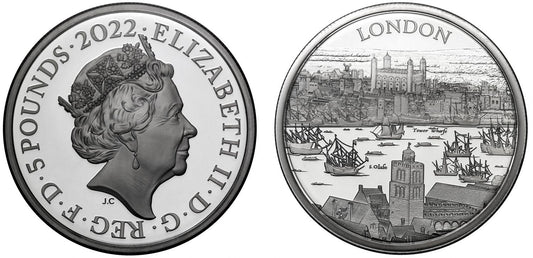
-
Charles III 2024 gold proof 1/4oz Britannia
Regular price £950Regular priceUnit price per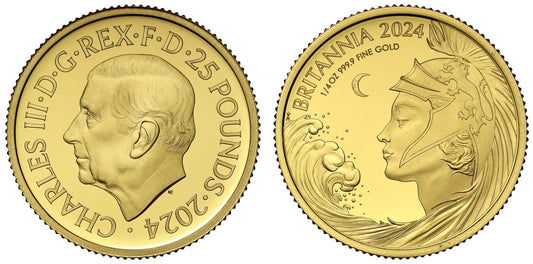
-
Charles III 2025 silver proof 2oz Waterloo Victory
Regular price £260Regular priceUnit price per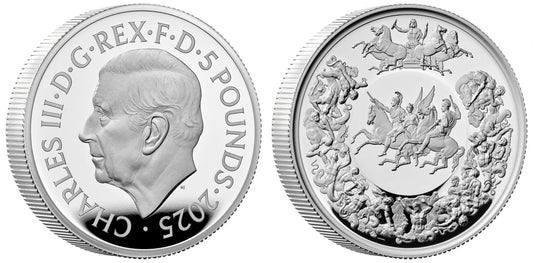
-
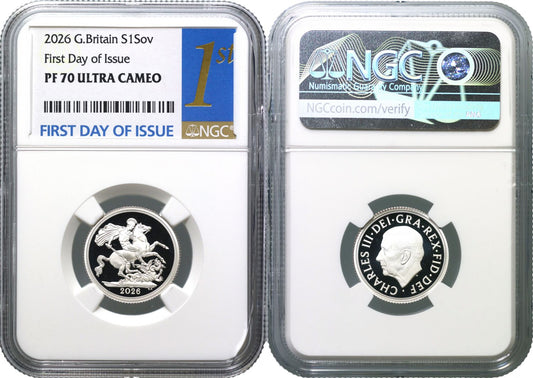
Charles III 2026 silver PF70 UCAM FDI Sovereign
Regular price £125Regular priceUnit price per