 Search


FAQs
What makes a coin valuable?


I have coins to sell, what’s the next step?
How will my purchases be shipped?
What happens if I’m not entirely happy with my purchase?
Valentinian II, Gold Solidus, Virtually as Struck
Valentinian II (375-392 AD), gold solidus, Constantinople, 388-392 AD, 6th officina, D N VALENTINI-ANVS P F AVG, pearl-diademed, draped and cuirassed bust right, rev. CONCORDI-A AVGGG S, Constantinopolis seated facing, head to right, holding sceptre and globe, right foot on prow; in exergue CONOB, 4.43g, 5h (RIC IX 69a; Depeyrot 48/5). Perfectly centred and virtually as struck Rare with this unlisted officina letter.
Provenance:
Roma XXV (2022), 1094; Bolaffi 33 (2018), 561.
This gold solidus of Valentinian II, struck at Constantinople between 388 and 392 AD, is an strong example of late Roman imperial coinage. The solidus, introduced by Constantine the Great in the early fourth century, became the standard gold currency of the Roman Empire and was valued for its consistent weight and high gold content. Coins of this type served not only as currency but also as instruments of imperial propaganda, communicating authority, legitimacy and political unity across the empire.
The obverse bears the emperor facing right, wearing a pearl diadem, draped robes and cuirass, combining symbols of imperial dignity with military authority. The diadem emphasises his status as emperor, while the carefully arranged portrait presents an image of stability and legitimate rule.
Valentinian II became emperor in 375 AD at the age of just four, following the death of his father, Valentinian I. His reign was shaped by political rivalry and the influence of powerful military commanders and senior imperial colleagues. Although he ruled the western provinces for much of his life, his authority was frequently constrained by the more powerful figures around him.
The reverse legend, CONCORDIA AVGGG, translates as "Harmony of the Augusti", referring to the unity of the reigning emperors. The enthroned figure of Constantinopolis, the personification of Constantinople, holds a sceptre and globe, with her right foot resting on a ship's prow. This imagery celebrates the prestige of the eastern capital and symbolises imperial power and maritime strength. The letter S identifies the sixth mint workshop, or officina, while CONOB denotes Constantinople and the coin's recognised gold standard.
The coin's date is particularly significant. In 387 AD, Valentinian II was driven from Italy by the usurper Magnus Maximus, but Theodosius I defeated Maximus in 388 AD and restored Valentinian to power. This solidus therefore belongs to the final, difficult years of Valentinian's reign, when imperial unity was an important political message. In 392, Valentinian died in Gaul under circumstances that remain disputed, and the general Arbogast subsequently supported Eugenius as western emperor.
The obverse inscription D N VALENTINI-ANVS P F AVG translates to "Our Lord Valentinian, Pious, Blessed, Emperor."
The reverse inscription CONCORDI-A AVGGG translates to "Harmony of the Emperors."
FAQs
What makes a coin valuable?
I have coins to sell, what’s the next step?
How will my purchases be shipped?
What happens if I’m not entirely happy with my purchase?

Popular Coins
View all-
Elizabeth II 2022 silver proof 2oz City Views London
Regular price £220Regular priceUnit price per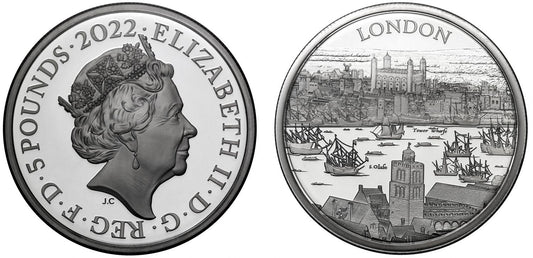
-
Charles III 2024 gold proof 1/4oz Britannia
Regular price £950Regular priceUnit price per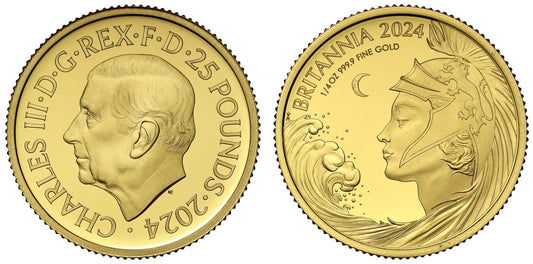
-
Charles III 2025 silver proof 2oz Waterloo Victory
Regular price £260Regular priceUnit price per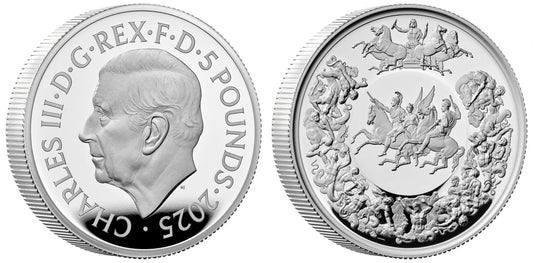
-
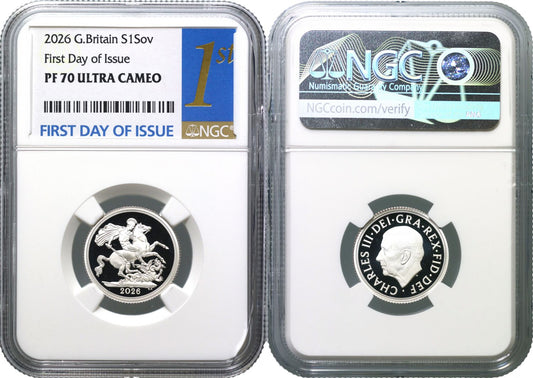
Charles III 2026 silver PF70 UCAM FDI Sovereign
Regular price £125Regular priceUnit price per