 Search


FAQs
What makes a coin valuable?


I have coins to sell, what’s the next step?
How will my purchases be shipped?
What happens if I’m not entirely happy with my purchase?
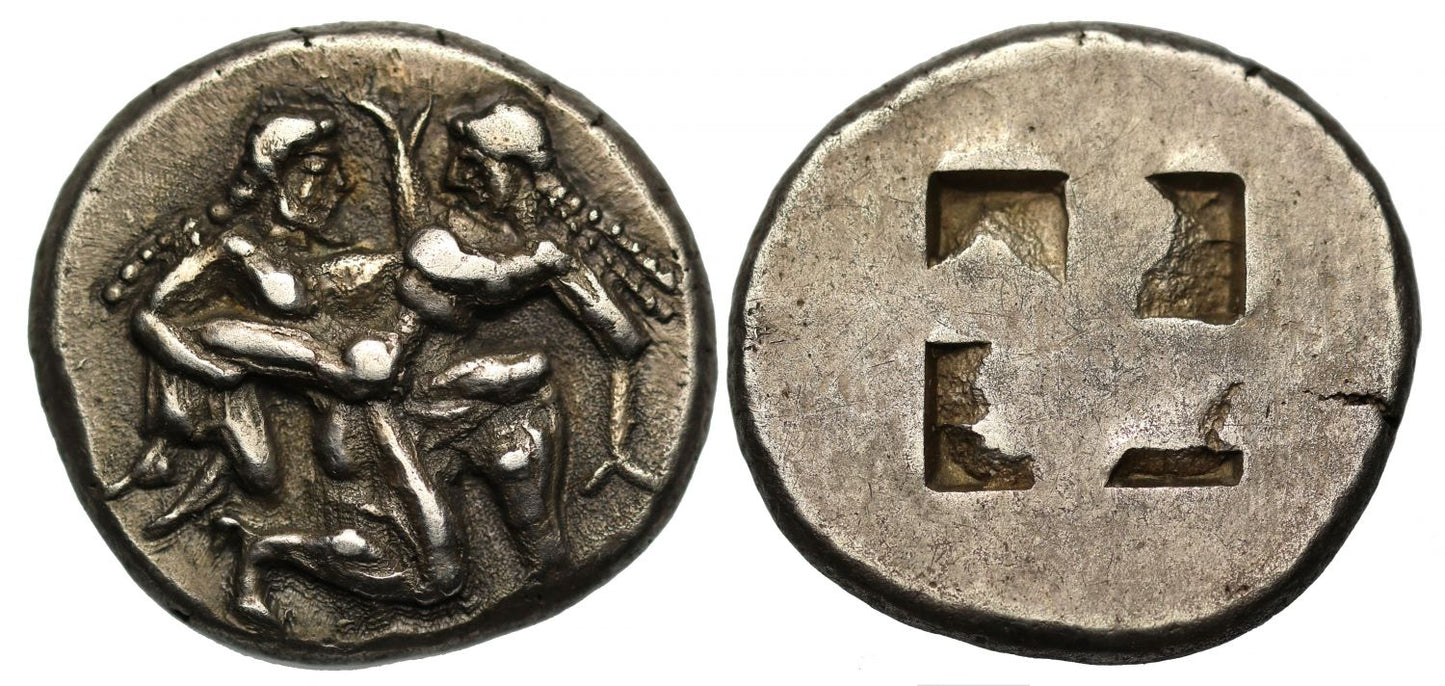
Thracian islands, Thasos, Silver Stater.
Thracian Islands, Thasos (c. 500-480 B.C.), Silver Stater. Satyr advancing right, in kneeling-running position, carrying a protesting nymph in his arms, rev. quadripartite incuse square, 8.70g. (Svoronos, HPM, pl. X, 5; Le Rider, Thasiennes 2; SNG Copenhagen 1009). Well-struck on good metal, attractively toned, good very fine.
Provenance:
Ex CNG, Triton XVI, 8 January 2013, lot 255
This silver stater was minted on the island of Thasos, off the coast of Thrace in the northern Aegean, around 500-480 BC. Thasos was a wealthy Greek island, famous for its silver resources and its production and trade of wine. Its location and natural wealth made it an important trading centre in the ancient Aegean. The most striking feature of the coin is the scene on its front. It shows a nude, ithyphallic satyr carrying away a struggling nymph, who raises her hand in protest. Satyrs and nymphs were supernatural beings associated with the natural world and particularly with Dionysus, the Greek god of wine and vegetation. Dionysus and his followers were especially important in Thrace and Thasos, which helps explain why this dramatic mythological scene was chosen for the island's coinage. The image has traditionally been interpreted as the abduction of a nymph by a satyr. However, some scholars have suggested that it may represent a ritual or Dionysian dance rather than an abduction. On the reverse is a simple four-part incuse square, created by the minting process. Together, the coin's imagery reflects Thasos's connection with Dionysus, nature, wine and the distinctive religious traditions of ancient Thrace.
FAQs
What makes a coin valuable?
I have coins to sell, what’s the next step?
How will my purchases be shipped?
What happens if I’m not entirely happy with my purchase?
Popular Coins
View all-
Elizabeth II 2022 silver proof 2oz City Views London
Regular price £220Regular priceUnit price per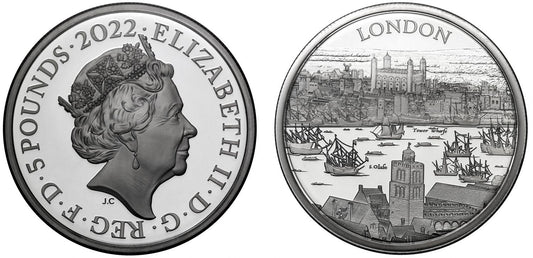
-
Charles III 2024 gold PF70 UC 1/4oz Britannia
Regular price £1,020Regular priceUnit price per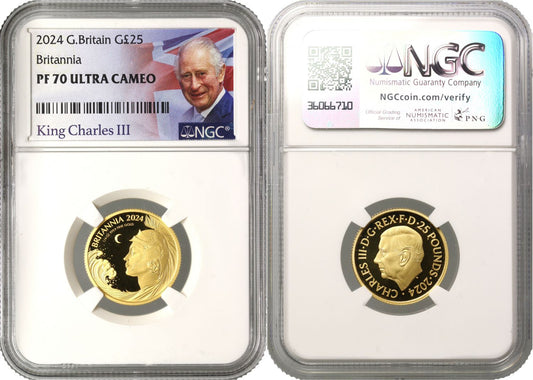
-
Charles III 2024 gold proof 1/4oz Britannia
Regular price £950Regular priceUnit price per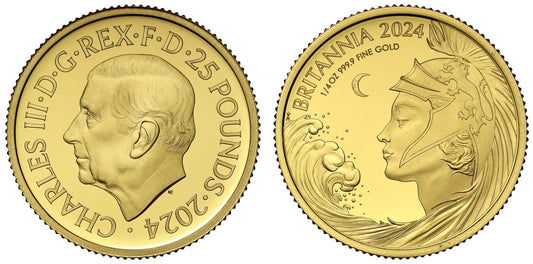
-
Charles III 2025 silver proof 2oz Waterloo Victory
Regular price £260Regular priceUnit price per