 Search


FAQs
What makes a coin valuable?


I have coins to sell, what’s the next step?
How will my purchases be shipped?
What happens if I’m not entirely happy with my purchase?
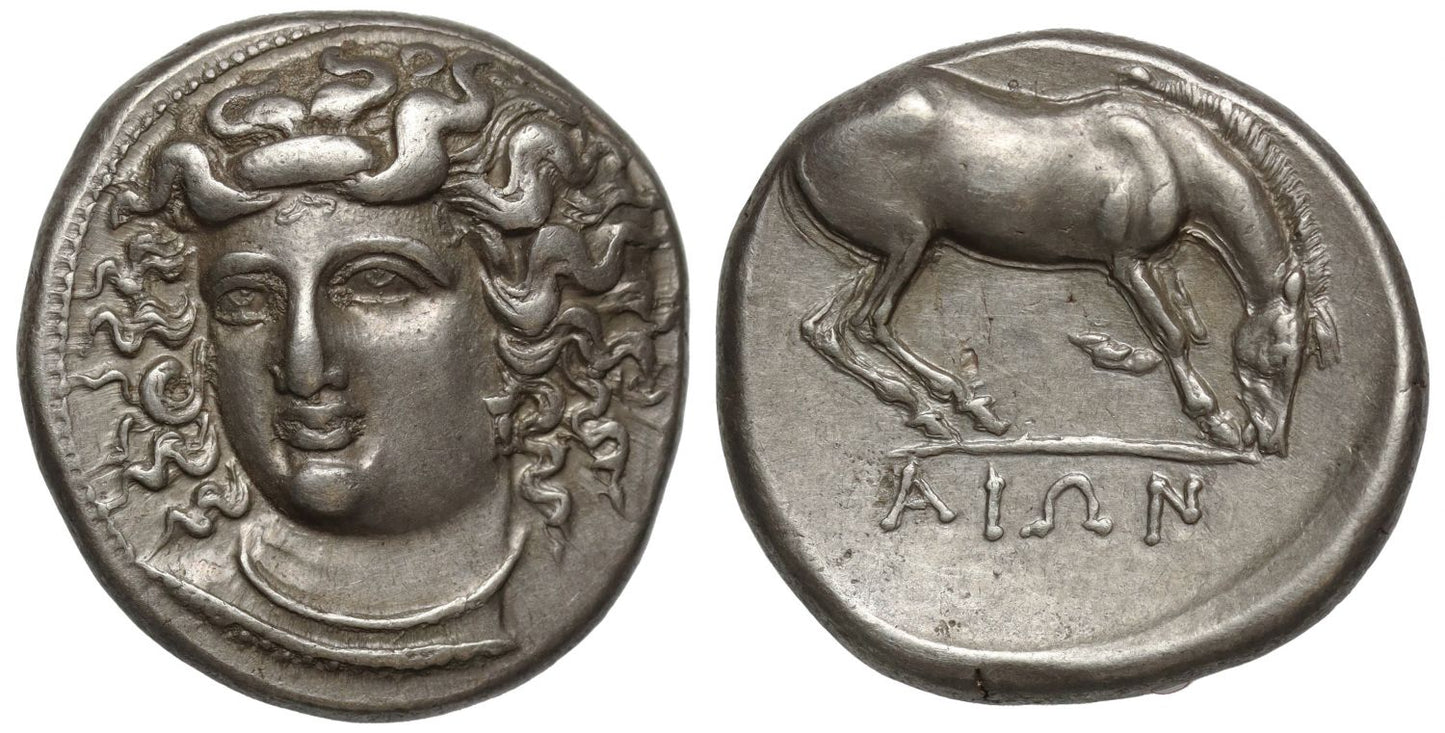
Thessaly, Larissa, Silver Drachm, Mid-4th Century BC.
Thessaly, Larissa, silver Drachm, mid-4th century BC, head of the nymph Larissa three-quarters left, wearing pendant earring and plain necklace, border of dots rev. [ΛΑΡΙΣ] ΑΙΩΝ in exergue, horse right, preparing to roll, on solid ground line, 6.06g, 3h (BCD 312-325). Extremely fine.
This silver drachm was struck at Larissa in Thessaly during the mid-4th century BC. Larissa was one of the most important cities of ancient Thessaly, a fertile region in central Greece that was particularly famous for its horses and strong equestrian traditions. The coin's imagery reflects this distinctive regional identity, combining the city's mythical namesake with one of the animals for which Thessaly was renowned.
The obverse features the head of the nymph Larissa shown in three-quarter view facing left. She wears a pendant earring and a simple necklace, while a border of dots surrounds the design. The portrait is delicately rendered, with the nymph presented as an idealised and youthful figure. Larissa was a local water nymph whose name was closely associated with the city, and her image became one of the defining motifs of its coinage.
The three-quarter portrait is particularly striking and gives the obverse a sense of depth and movement. Rather than showing the head strictly in profile, as was common on much ancient Greek coinage, the engraver has created a more naturalistic and expressive image. This style reflects the high artistic standards achieved by Greek die engravers during the Classical period.
The reverse depicts a horse standing to the right and preparing to roll, accompanied by the inscription ΛΑΡΙΣ-ΑΙΩΝ identify the citizens or people of Larissa. The horse is an especially appropriate symbol for Thessaly. The region was famous for its breeding of horses, and Thessalian cavalry enjoyed an important reputation in the ancient Greek world. Horses were also closely connected with the wealth and status of the Thessalian aristocracy.
The unusual pose of the horse, caught at the moment before it rolls, gives the reverse a lively and almost naturalistic quality. Rather than portraying the animal simply as a static emblem, the engraver has captured a recognisable movement, demonstrating careful observation and considerable artistic skill.
FAQs
What makes a coin valuable?
I have coins to sell, what’s the next step?
How will my purchases be shipped?
What happens if I’m not entirely happy with my purchase?
Popular Coins
View all-
Elizabeth II 2022 silver proof 2oz City Views London
Regular price £220Regular priceUnit price per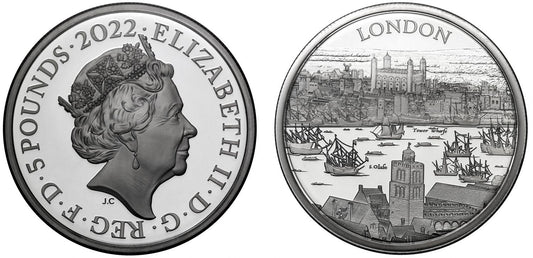
-
Tudor Beasts Completer 2027 1oz silver proof Charles III
Regular price £185Regular priceUnit price per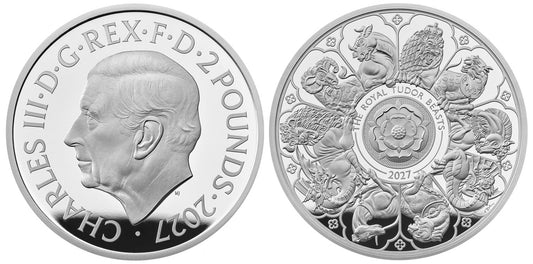
-
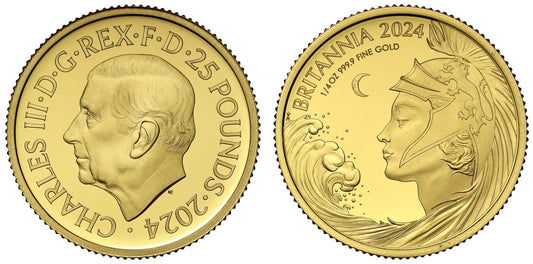
Charles III 2024 gold PF70 UC 1/4oz Britannia
Regular price £1,020Regular priceUnit price per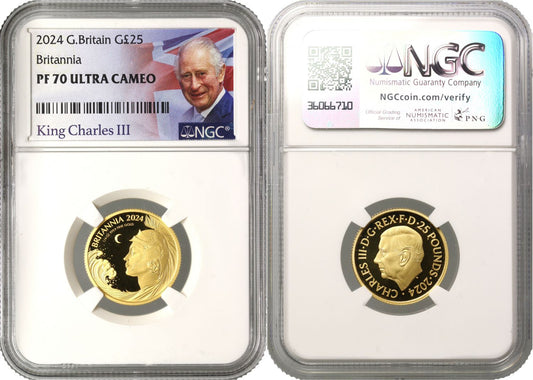
-
Charles III 2024 gold proof 1/4oz Britannia
Regular price £950Regular priceUnit price per