 Search


FAQs
What makes a coin valuable?


I have coins to sell, what’s the next step?
How will my purchases be shipped?
What happens if I’m not entirely happy with my purchase?
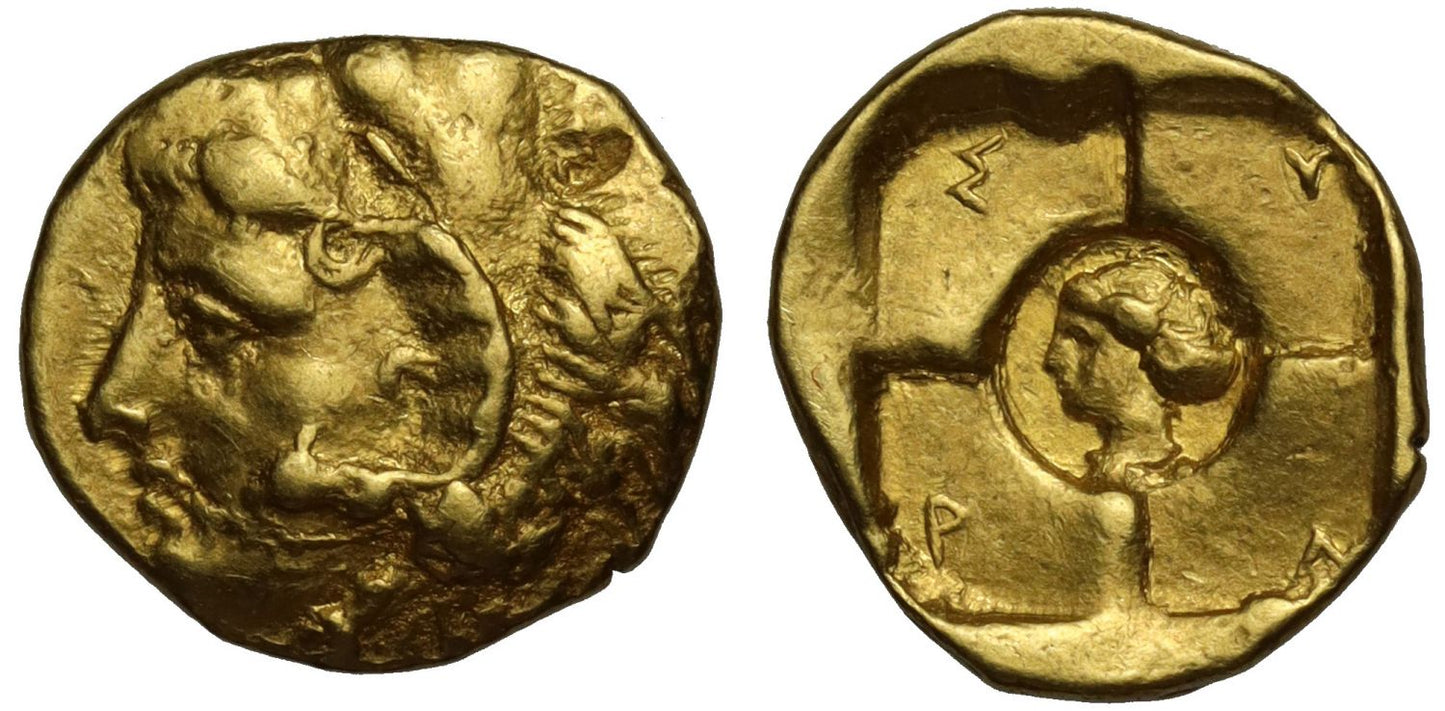
Syracuse, Gold 20-Litrai, c. 405-400 BC.
Syracuse, gold 20-Litrai, c. 405-400 BC, [Σ - V - P - A] head of Herakles left, rev. Σ - V - P - A, head of Arethusa left, within incuse quadripartite square, 1.14g, 3h (SNG ANS 350). Worn obverse die, good very fine, rare.
This attractive gold 20-litrai was struck at Syracuse in Sicily around 405-400 BC, during one of the most important and prosperous periods in the city's long history. Syracuse was one of the most powerful Greek cities in the western Mediterranean and, by the late 5th century BC, had become renowned for both its military strength and the exceptional quality of its coinage. The obverse depicts the head of Herakles facing left, Herakles was one of the most important heroes of the Greek world and was closely associated with strength, courage and victory. His appearance on this small gold denomination reflects the heroic imagery frequently employed by Syracuse during this period. The reverse features the head of Arethusa facing left, again accompanied by the inscription Σ-Υ-Ρ-Α. Arethusa was the famous freshwater spring of Syracuse, located on the island of Ortygia, and her image became one of the defining symbols of the city. According to Greek mythology, Arethusa was a nymph who was transformed into a spring by the goddess Artemis while fleeing the river god Alpheios. Her connection with Syracuse gave the city a distinctive mythological identity
The coin's incuse quadripartite square on the reverse reflects an earlier Greek minting tradition, although by this period such techniques were becoming increasingly uncommon. At just 1.14 grams, the 20-litrai was a small but valuable gold denomination, likely intended for significant payments and high-value transactions. This coin belongs to a particularly interesting moment in Syracusan history. Around the time it was struck, the city was engaged in the prolonged conflict with Carthage, while the rule of Dionysios I was transforming Syracuse into a major military power. The high artistic quality of its coinage during this era reflects the wealth and ambition of the city, while the pairing of Herakles and Arethusa brings together heroic mythology and the distinctive civic identity of Syracuse.
FAQs
What makes a coin valuable?
I have coins to sell, what’s the next step?
How will my purchases be shipped?
What happens if I’m not entirely happy with my purchase?
Popular Coins
View all-
Elizabeth II 2022 silver proof 2oz City Views London
Regular price £220Regular priceUnit price per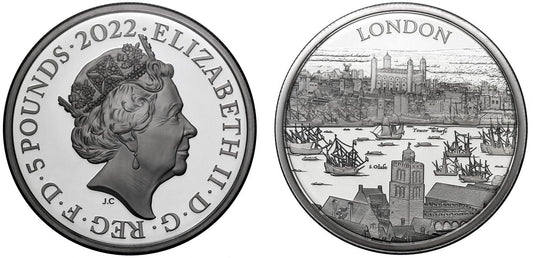
-
Charles III 2024 gold proof 1/4oz Britannia
Regular price £950Regular priceUnit price per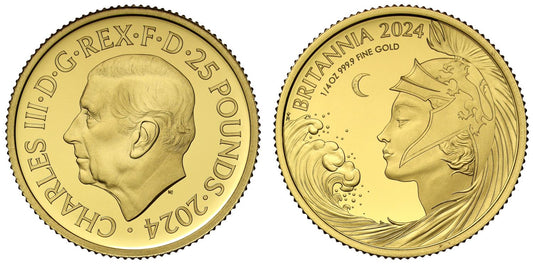
-
Charles III 2025 silver proof 2oz Waterloo Victory
Regular price £260Regular priceUnit price per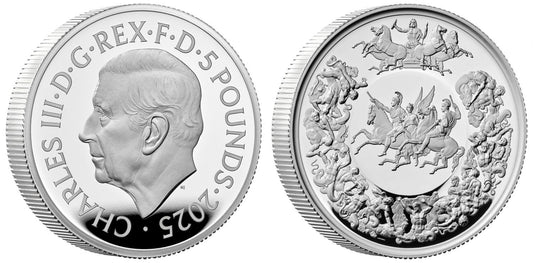
-
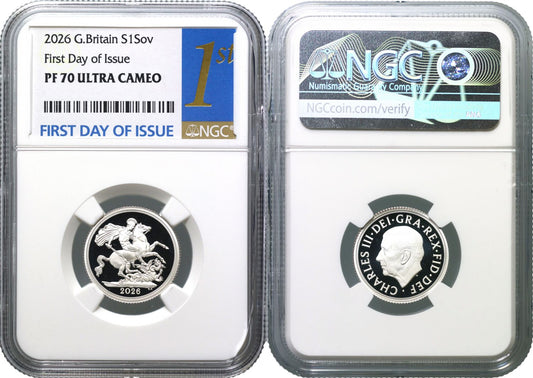
Charles III 2026 silver PF70 UCAM FDI Sovereign
Regular price £125Regular priceUnit price per