 Search


FAQs
What makes a coin valuable?


I have coins to sell, what’s the next step?
How will my purchases be shipped?
What happens if I’m not entirely happy with my purchase?
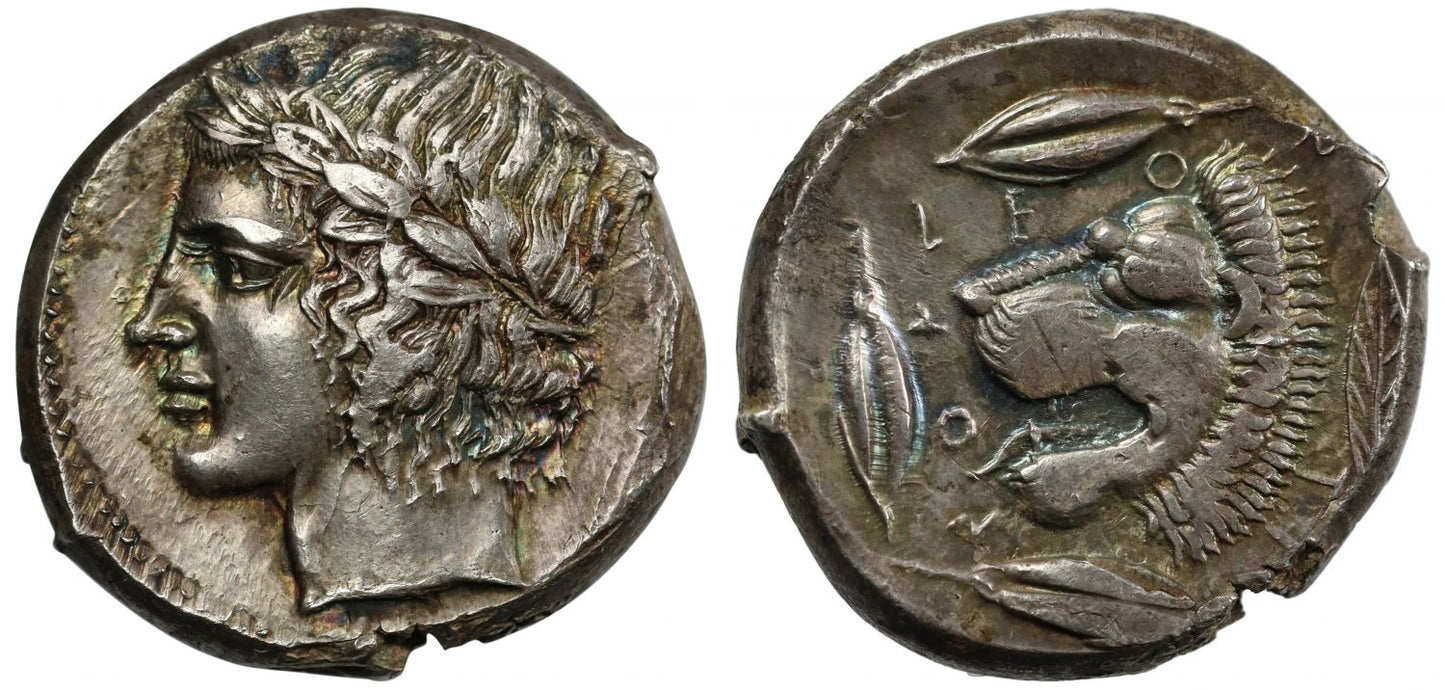
Sicily, Leontinoi, Silver Tetradrachm, 430-425 BC.
Sicily, Leontinoi, silver Tetradrachm, 430-425 BC, laureate head of Apollo left, rev. LEON-TI-NOY, lion's head left, barley grain and laurel leaf around, 17.38g, 10h (Boehringer pl. 12.55; Rizzo 4). Some flatness and small marks, otherwise extremely fine and with subtle iridescent tone.
This silver Tetradrachm was struck at Syracuse, an ancient city on the east coast of Sicily. Greek colonists from Naxos founded Leontinoi (or Leontini) in 729 BC. Unlike most Greek settlements in Sicily, it sat about six miles inland on a fertile plain. The city's name sounds like leon, the Greek word for lion. The lion became the civic emblem. The city fell under the control of powerful neighbours like Hippocrates of Gela and Hieron of Syracuse in the early 5th century BC. During 430-425 B, Leontinoi enjoyed a period of relative independence and struck some of the finest silver coins in the ancient Greek world. Seeking protection against powerful Syracuse, Leontinoi appealed to Athens. The speeches of the Leontine philosopher Gorgias helped trigger early Athenian military involvement in Sicily. Twice the appeals of Leontini for aid led to unsuccessful Athenian expeditions into Sicily, in 427 BC, following a Syracusan attack on the city, and in 415 BC, when its democrats had been expelled by Syracuse supported oligarchs.
The reverse legend LEON-TI-NOY translates to "of Leontini."
FAQs
What makes a coin valuable?
I have coins to sell, what’s the next step?
How will my purchases be shipped?
What happens if I’m not entirely happy with my purchase?
Popular Coins
View all-
Elizabeth II 2022 silver proof 2oz City Views London
Regular price £220Regular priceUnit price per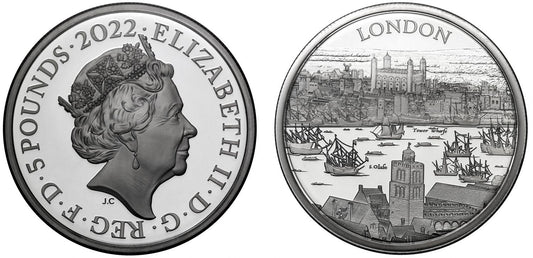
-
Charles III 2024 gold proof 1/4oz Britannia
Regular price £950Regular priceUnit price per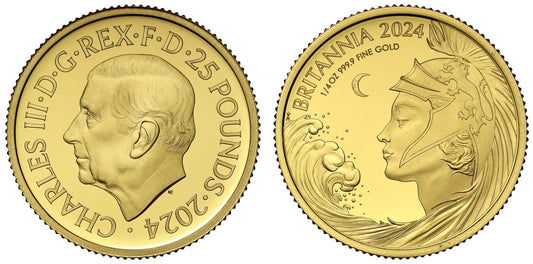
-
Charles III 2025 silver proof 2oz Waterloo Victory
Regular price £260Regular priceUnit price per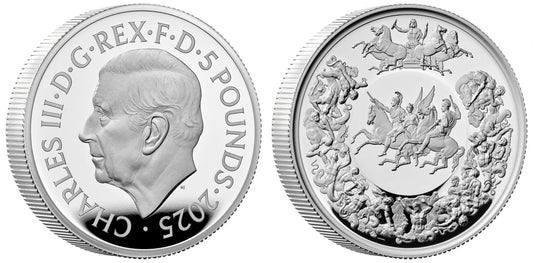
-
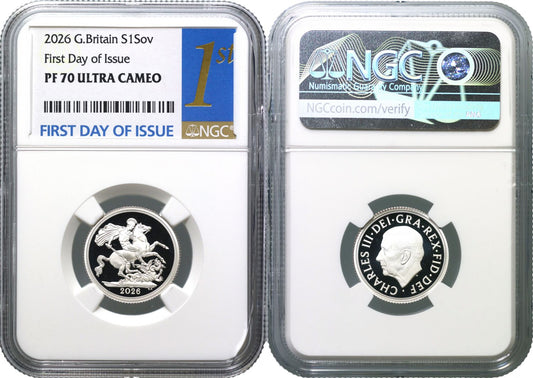
Charles III 2026 silver PF70 UCAM FDI Sovereign
Regular price £125Regular priceUnit price per