 Search


FAQs
What makes a coin valuable?


I have coins to sell, what’s the next step?
How will my purchases be shipped?
What happens if I’m not entirely happy with my purchase?
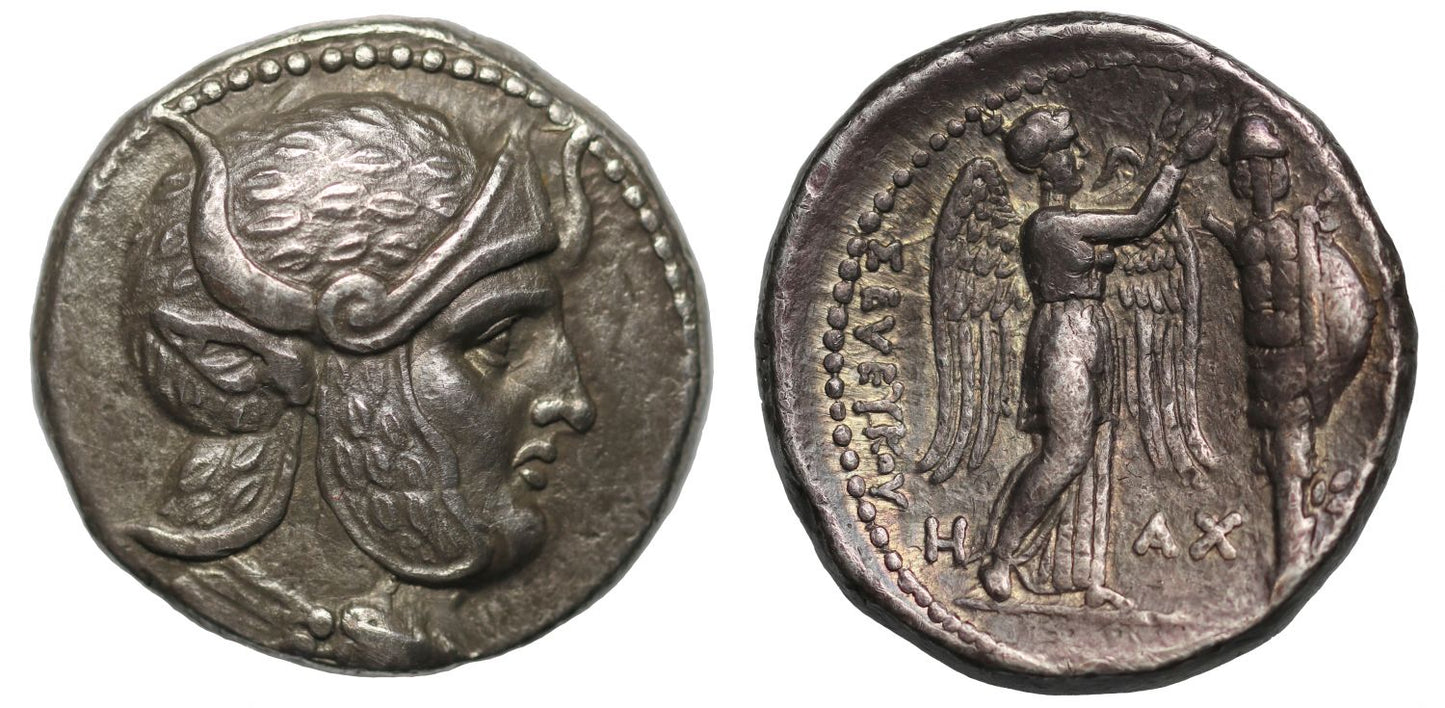
Seleukid Empire, Seleukos I, Silver Tetradrachm, Susa, c. 305/4-295 BC
Seleukid Empire, Seleukos I Nikator (312-281 B.C.), Silver Tetradrachm. Mint of Susa, struck c. 305/4 - 295 B.C. Head of hero (Alexander the Great as Dionysos or an idealized Seleukos I?) facing right, wearing a helmet covered with a panther's skin and adorned with the ear and horns of a bull, a panther's skin fastened around neck, rev. [BAΣIΛEΩΣ] / ΣEVEYKOV (sic), Nike standing right, erecting a trophy of arms, H below on left, AX below between Nike and trophy, 17.02g., 9h (Houghton & Lorber, SC 173.12; Newell, ESM 417; SNG Spaer -). Struck from dies of fine style, cabinet toning, a few light marks otherwise nearly extremely fine and an attractive example of this iconic and enigmatic issue.
This example has a fascinating die-engraver's error on the reverse, with the King's name reading ΣEVEYKOV in place of ΣEΛEYKOY.
The portrait on the obverse of this issue is likely to represent that of Alexander the Great who, as conqueror of India, is assimilated with Dionysos in an idealized fashion. The helmet adorned with a panther's skin, and the bull's horn and ear, are all attributes of Dionysos who rode a panther and could transform himself into a bull. This heroic portrait perhaps has an additional implication that Seleukos I, who had also just undertaken further warfare in Western India, was a true successor to Dionysos and Alexander.
FAQs
What makes a coin valuable?
I have coins to sell, what’s the next step?
How will my purchases be shipped?
What happens if I’m not entirely happy with my purchase?
Popular Coins
View all-
Elizabeth II 2022 silver proof 2oz City Views London
Regular price £220Regular priceUnit price per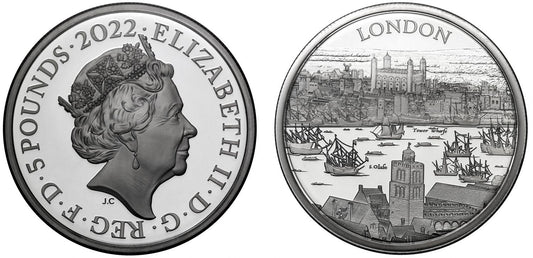
-
Charles III 2024 gold PF70 UC 1/4oz Britannia
Regular price £1,020Regular priceUnit price per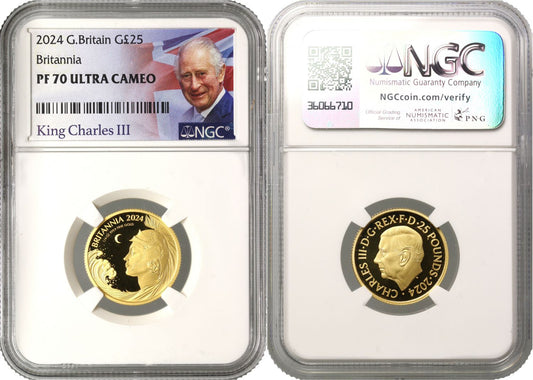
-
Charles III 2024 gold proof 1/4oz Britannia
Regular price £950Regular priceUnit price per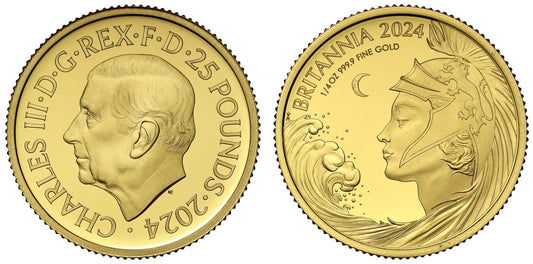
-
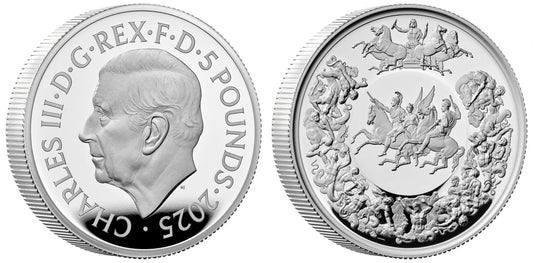
Charles III 2025 silver proof 2oz Waterloo Victory
Regular price £260Regular priceUnit price per