 Search


FAQs
What makes a coin valuable?


I have coins to sell, what’s the next step?
How will my purchases be shipped?
What happens if I’m not entirely happy with my purchase?
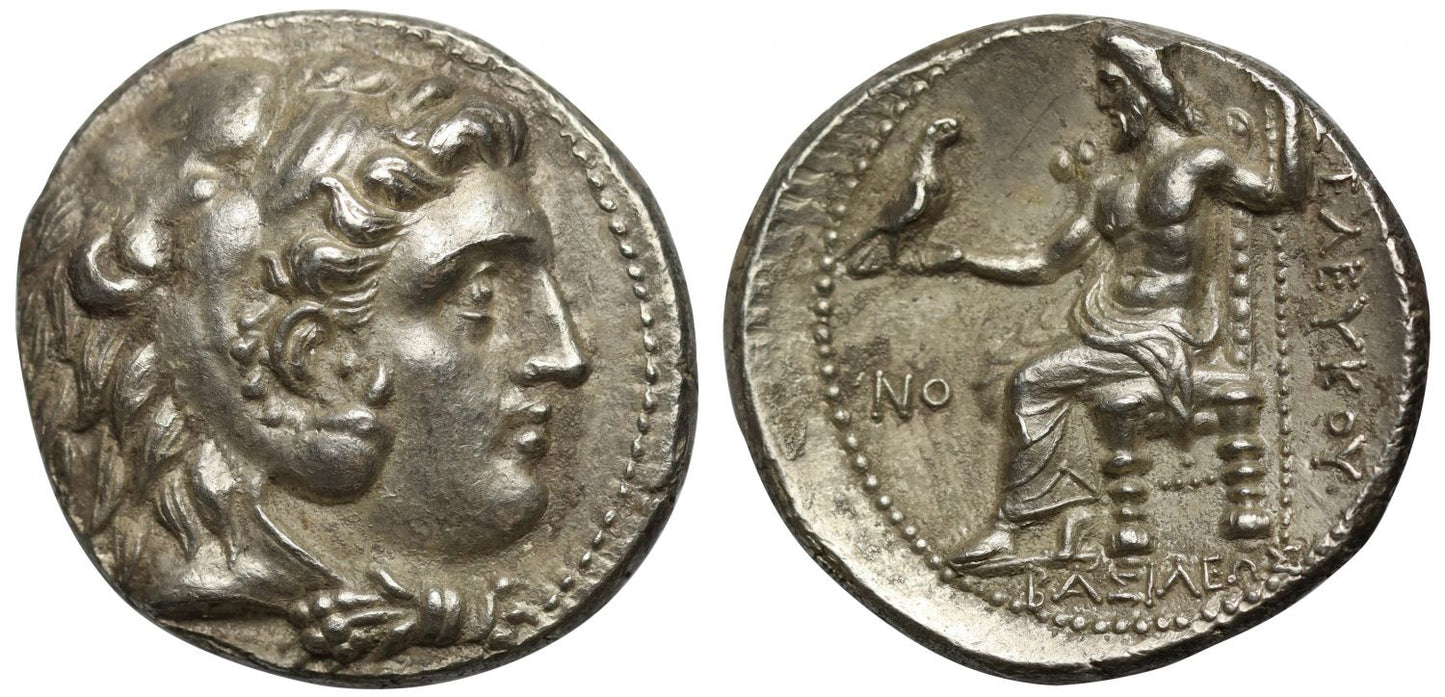
Seleukid Empire, Seleukos I, Silver Tetradrachm, Seleukeia on the Tigris
Seleukid Kings, Seleukos I Nikator (312-281 BC), silver Tetradrachm, Seleukeia on the Tigris (Iraq), c. 300-296/5, head of Herakles, in lionskin headdress, right, rev. BAΣIΛEΩΣ - ΣEΛEYKOY Zeus enthroned left, holding sceptre and eagle, NO in field, 16.99g, 11h (SC 117.6a). Good very fine.
This silver tetradrachm was issued by Seleukos I Nikator, one of the most powerful successors of Alexander the Great, and was struck at Seleukeia on the Tigris, in modern-day Iraq, around 300296/5 BC. Seleukos established one of the largest of the Hellenistic successor kingdoms, controlling vast territories stretching from Asia Minor and Syria across Mesopotamia and deep into Central Asia.
The obverse depicts the head of Herakles facing right, wearing the skin of the Nemean lion. This familiar image was inherited from the coinage of Alexander the Great, whose monetary types remained enormously influential after his death. Herakles was celebrated throughout the Greek world for his strength, courage and legendary labours, making his image particularly appropriate for the coinage of a powerful military ruler.
The reverse bears the inscription ΒΑΣΙΛΕΩΣ ΣΕΛΕΥΚΟΥ, meaning of King Seleukos, and depicts Zeus seated majestically on a throne facing left. He holds an eagle in one hand and a sceptre in the other, presenting an image of divine authority and kingship. The composition closely follows the famous reverse of Alexander's tetradrachms, but the inscription now identifies Seleukos as the issuing monarch.
The continuation of Alexander's familiar imagery was significant. By adopting established designs, Seleukos could connect his own rule with the authority and legacy of Alexander while simultaneously asserting his position as an independent Hellenistic king. The transition from Alexander's name to that of Seleukos demonstrates how the monetary traditions of Alexander's empire were adapted by the rulers who succeeded him.
The coin was struck at Seleukeia on the Tigris, a major new city founded by Seleukos near the Tigris River. The city became an important administrative, commercial and cultural centre within his eastern territories. The presence of the mint there illustrates the extent to which Greek-style monetary institutions had been established deep within the former Persian Empire.
The small NO symbol in the field is a control mark associated with this particular issue. Such marks were used to distinguish different emissions and may have referred to officials or other aspects of the minting process.
This tetradrachm therefore represents a fascinating stage in the formation of the Hellenistic world. Its combination of Alexander's traditional Herakles and Zeus imagery with Seleukos' own royal inscription reflects both continuity and change. It is a tangible expression of how the successors of Alexander transformed his conquered territories into a new network of independent Hellenistic kingdoms.
FAQs
What makes a coin valuable?
I have coins to sell, what’s the next step?
How will my purchases be shipped?
What happens if I’m not entirely happy with my purchase?
Popular Coins
View all-
Elizabeth II 2022 silver proof 2oz City Views London
Regular price £220Regular priceUnit price per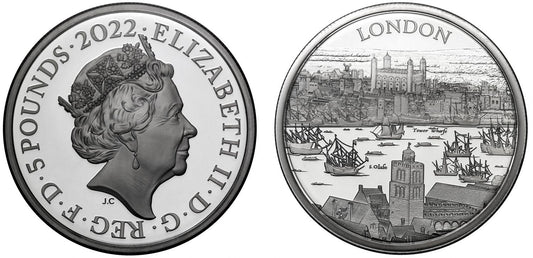
-
Charles III 2024 gold proof 1/4oz Britannia
Regular price £950Regular priceUnit price per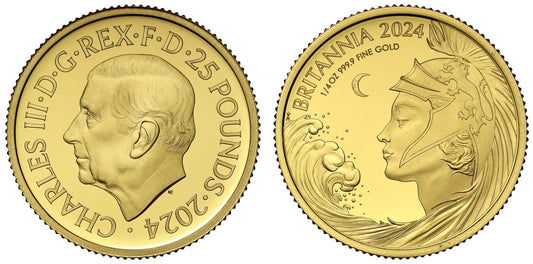
-
Charles III 2025 silver proof 2oz Waterloo Victory
Regular price £260Regular priceUnit price per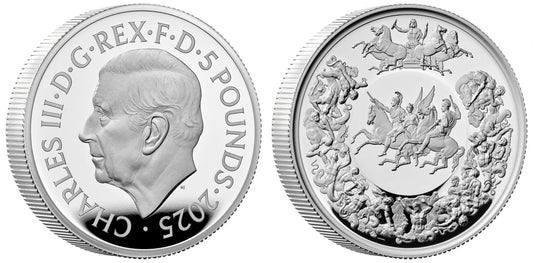
-
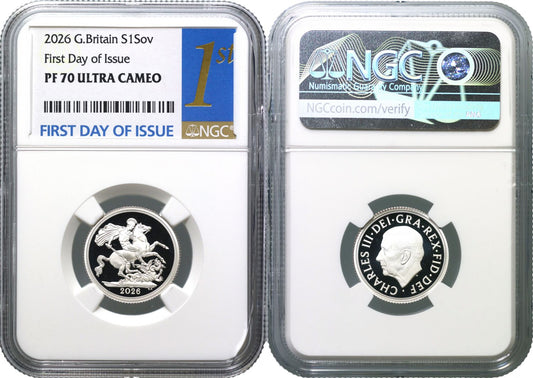
Charles III 2026 silver PF70 UCAM FDI Sovereign
Regular price £125Regular priceUnit price per