 Search


FAQs
What makes a coin valuable?


I have coins to sell, what’s the next step?
How will my purchases be shipped?
What happens if I’m not entirely happy with my purchase?
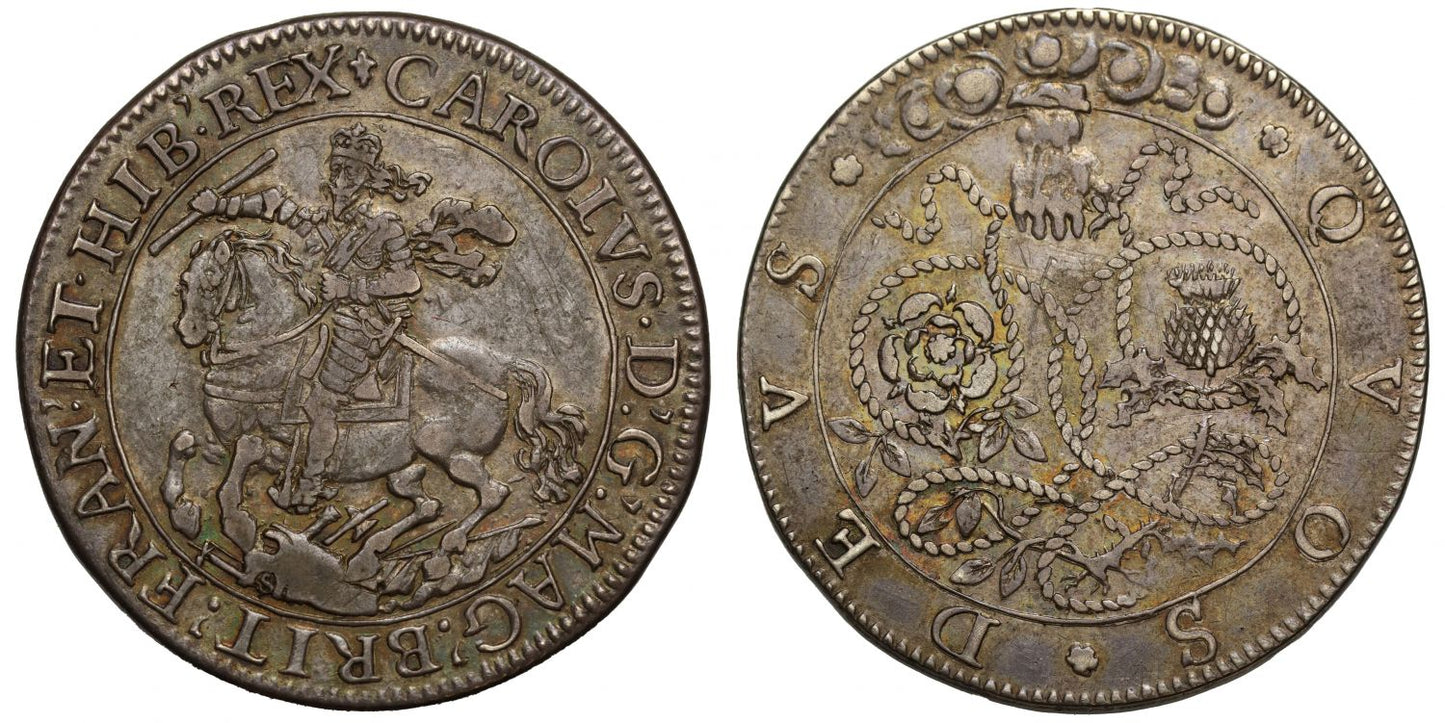
Scottish Rebellion Averted, 1639, silver medal by Thomas Simon.
Scottish Rebellion Averted, 1639 (undated variety), silver medal by Thomas Simon, Charles I in armour on horseback trampling arms, signature S, CAROLVS. D'. G'. MAG', BRIT'. FRAN'. ET. HIB'. REX. rev. celestial hand holding a cord around entwined rose and thistle, QVOS DEVS, 32mm, 9.85g (Eimer 134a without date; MI i 282/91; Platt I, p.150, type B; Nathanson figure 3,4). Very fine.
The inspiration for the medal was the Treaty of Berwick, 18 June 1639. The reverse legend is an abbreviation of QVOS DEVS CONIVNXIT NEMO SEPARET, "Whom God has joined, let no man put asunder," which would refer to the union of England and Scotland in 1603.
Nathanson [Thomas Simon his life and work 1618-1665: Seaby, London 1975], cites this as Simon's first medallic work. He suggests Simon might have been 21 years old at the time, employed at the Tower Mint, and four years into a seven-year apprenticeship with chief engraver Edward Greene.
FAQs
What makes a coin valuable?
I have coins to sell, what’s the next step?
How will my purchases be shipped?
What happens if I’m not entirely happy with my purchase?
Popular Coins
View all-
Elizabeth II 2022 silver proof 2oz City Views London
Regular price £220Regular priceUnit price per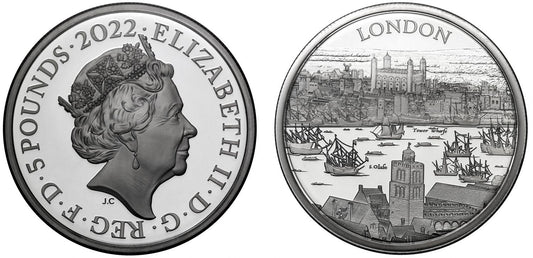
-
Charles III 2024 gold PF70 UC 1/4oz Britannia
Regular price £1,040Regular priceUnit price per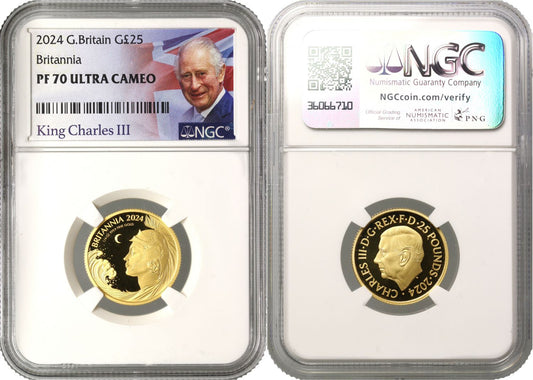
-
Charles III 2024 gold proof 1/4oz Britannia
Regular price £990Regular priceUnit price per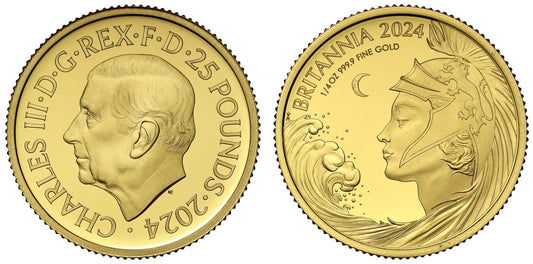
-
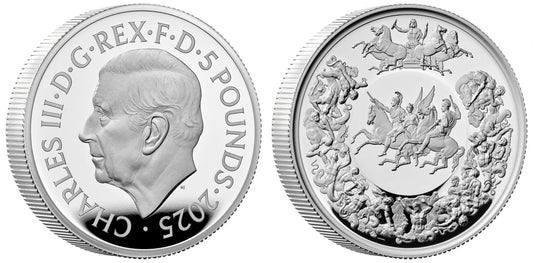
Charles III 2025 silver proof 2oz Waterloo Victory
Regular price £260Regular priceUnit price per