 Search


FAQs
What makes a coin valuable?


I have coins to sell, what’s the next step?
How will my purchases be shipped?
What happens if I’m not entirely happy with my purchase?
Scotland, James II gold Demy MS61, type IVb/IVa, saltire / annulet stops
James II of Scotland (1437-60), gold Demy of Nine Shillings, first coinage (1437-51), type IVb/IVa, upright lion within double lozenge with fleur de lis at apexes and halfway between, beaded circles and abbreviated Latin legends surrounding with double saltire stops, initial mark crown, IACOBVSxx DEIxx GRACIAxx REXxx SC, rev. saltire cross, fleur de lis either side, fleured tressure of six arcs surrounding, large quatrefoils with large pellet centres around, beaded circles and legends surrounding, initial mark cross with fleur de lis and double annulet stops, +SALVVmoo FA POPVLVmoo TVVm DnE, weight 3.38g (Burns 7, fig 513; S.5217/5219). Toned with some old deposit in legends, has been slabbed and graded by NGC as MS61.
NGC certification 8220332-005. As of June 2024 this coin appears to be the second finest example graded.
The abbreviated Latin legends translate as on the obverse "James, by the Grace of God, King of Scotland" and on the reverse "O Lord, save Thy people" a Psalm from the Bible. A great deal of the gold in the coinage of Scotland at this period was mined locally principally from Crawford Moor, when nuggets from 2 grams to 30 ounces were discovered and the fineness was 22 carat for this coinage.
James II of Scotland ascended the Scottish throne aged just 6 after his Father was assassinated on 20th February 1437 and he was crowned at Holyrood Abbey. He had been born the second twin with his elder brother Alex, but Alex did not survive infancy. James was known to have a temper and was known as "Fiery Face" as he had a birthmark on his face which is actually shown in a contemporary woodcut image that survives of him showing the mark. Earls looked after his government until he came of age, and James married 15 year old Mary of Guelders when he was 18 on 3rd July 1549. They had seven children together, six of whom survived to adulthood. James was keen to look after the interests of Scotland and promoted artillery importing cannon from Flanders so he could continue his campaign for independence from England. It was whilst besieging Roxburgh Castle which was still held by the English that he met his untimely end. One of the cannon he was standing next to malfunctioned and exploded killing James on 3rd August 1460. The Scottish forces continued with the siege and won possession of the castle, a bitter sweet victory. His son James III succeeded him.
Provenance:
Ex St James Auction 2, 11th May 2005, lot 565.
FAQs
What makes a coin valuable?
I have coins to sell, what’s the next step?
How will my purchases be shipped?
What happens if I’m not entirely happy with my purchase?

Popular Coins
View all-
Elizabeth II 2022 silver proof 2oz City Views London
Regular price £220Regular priceUnit price per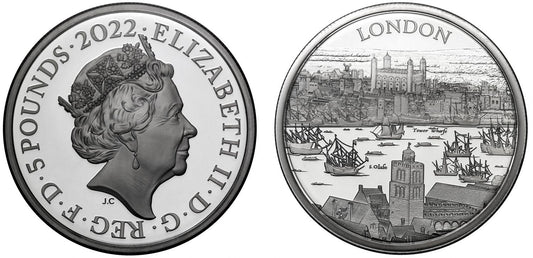
-
Charles III 2024 gold proof 1/4oz Britannia
Regular price £950Regular priceUnit price per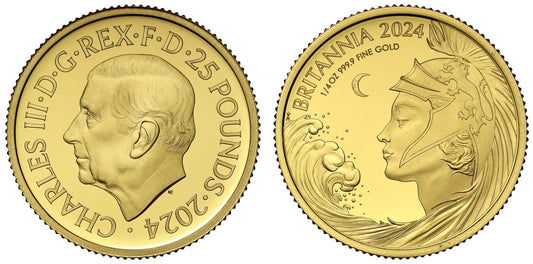
-
Charles III 2025 silver proof 2oz Waterloo Victory
Regular price £260Regular priceUnit price per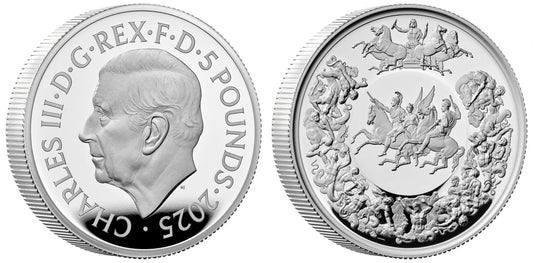
-
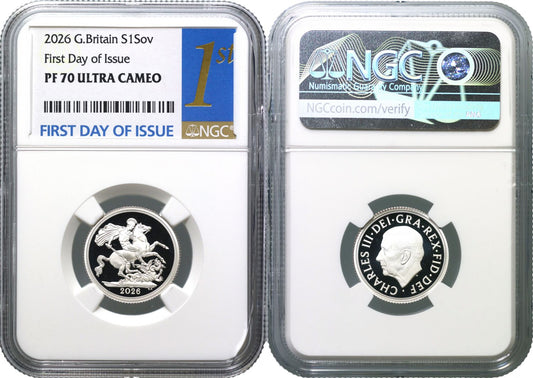
Charles III 2026 silver PF70 UCAM FDI Sovereign
Regular price £125Regular priceUnit price per