 Search


FAQs
What makes a coin valuable?


I have coins to sell, what’s the next step?
How will my purchases be shipped?
What happens if I’m not entirely happy with my purchase?
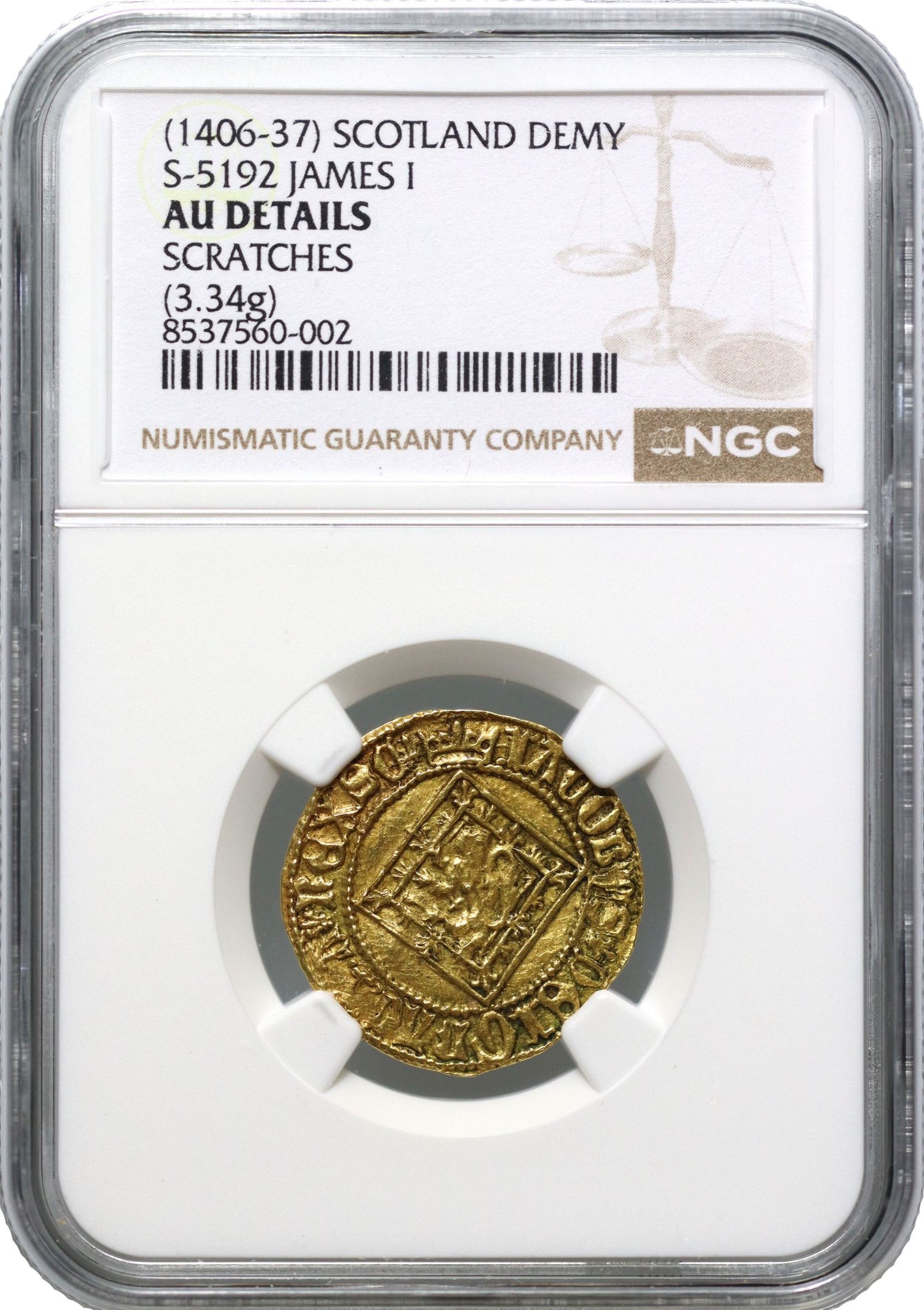
Scotland, James I Demy, type III, extra A at end of rev. legend
James I of Scotland (1406-37), gold Demy of Nine Shillings, type III, upright lion within double lozenge with fleur de lis at apexes, beaded circles and abbreviated Latin legends surrounding with fleur de lis stops, initial mark crown, IACOBVS+ DEI GRACI.A+ REX SC+, rev. I at centre of saltire cross, pellet below, fleur de lis either side, saltire below, fleured tressure of six arcs surrounding, large quatrefoils around with raised pellet centres, beaded circles and legends around, initial mark cross with fleur de lis and saltire stops, +SA+LVVmxx FAC POPVLVm+ TVVm A+, weight 3.34g (Burns type III cf.25; Stewartby SCBI 72:-; cf.SCBI 35:628; S.5192). Toned, a little weak at centre of obverse, some light hairline scratches on left side of obverse into legend, otherwise very fine and an extremely rare die variation.
NGC 8537560-002 - has been assessed as AU details scratches.
The abbreviated Latin legends translate as on the obverse "James, by the Grace of God, King of Scotland" and on the reverse "O Lord, save Thy people" a Psalm from the Bible. A great deal of the gold in the coinage of Scotland at this period was mined locally principally from Crawford Moor, when nuggets from 2 grams to 30 ounces were discovered.
This particular coin is very unusual in that it has a small saltire cross on the reverse under the main saltire design in its lower angle. Though there is no exact match in the references, Burns lists as his 7A an example of a saltire in lower angle reverse of the earlier type in the Pollexfen collection and the one listed in the SCBI 35 also of a different reading is ex Cochrane Patrick collection. The reading of the reverse legend is unusual ending with the singular A after TVVM and not exactly recorded by Burns but see reverse of 21a for a close match of reading. None of the A ending legends are listed in any of the sylloges and it may stand for "Amen". A similar variation occurs on some rare Edward III Quarter Nobles from 50 years earlier. This coin is very unusual and an extremely rare die variety.
FAQs
What makes a coin valuable?
I have coins to sell, what’s the next step?
How will my purchases be shipped?
What happens if I’m not entirely happy with my purchase?

Popular Coins
View all-
Elizabeth II 2022 silver proof 2oz City Views London
Regular price £220Regular priceUnit price per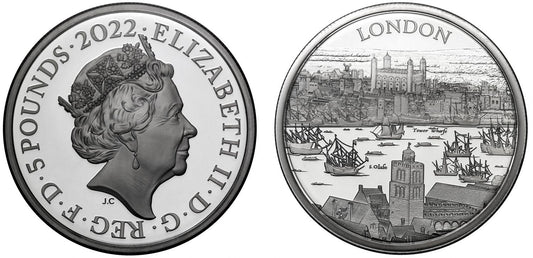
-
Charles III 2024 gold PF70 UC 1/4oz Britannia
Regular price £1,040Regular priceUnit price per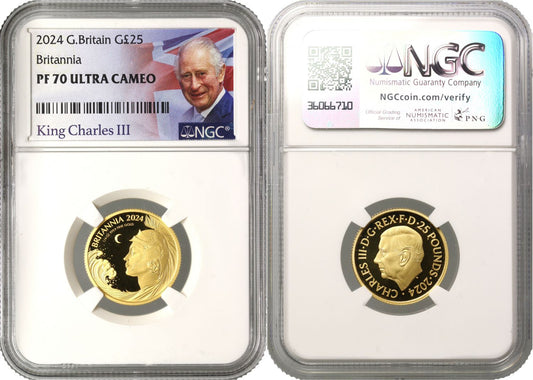
-
Charles III 2024 gold proof 1/4oz Britannia
Regular price £990Regular priceUnit price per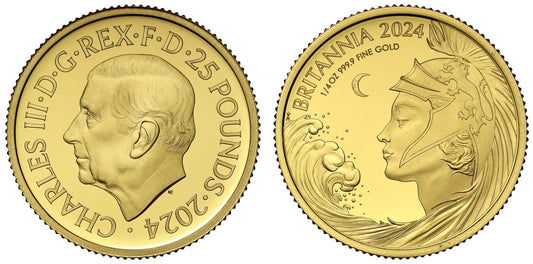
-
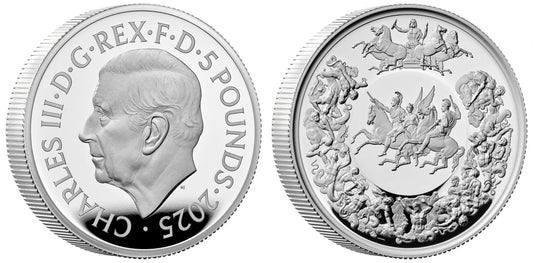
Charles III 2025 silver proof 2oz Waterloo Victory
Regular price £260Regular priceUnit price per