 Search


FAQs
What makes a coin valuable?


I have coins to sell, what’s the next step?
How will my purchases be shipped?
What happens if I’m not entirely happy with my purchase?
Roman Republic, Aes Grave, Sickle Series, Æ Triens, c.240 BC
Roman Republic, Aes Grave, Sickle Series, Æ Triens, c. 240 BC, thunderbolt, two pellets on either side, rev. dolphin right (sickle above, not visible), four pellets below, 100.70g, approx. 45mm (Haeberlin pl. 31, 9-10; Aes Grave 51; Sydenham 46; Thurlow-Vecchi 38; Crawford 25/6; RBW 43).
Minted around 240 BC during an era of Roman expansion, the Roman Republic Æ Triens from the Sickle Series represents a fascinating milestone in early numismatics. Unlike later Roman currency that was struck with dies, this piece belongs to the "Aes Grave" (heavy bronze) category, meaning it was manufactured using a casting technique in a mold. This process resulted in a remarkably thick, heavy bronze coin often weighing around 100 grams that feels substantial in the hand. As a Triens, which represents one third of a standard As (divided into twelve unciae), the coin is marked with four distinctive pellets to denote its value of four unciae to illiterate citizens. The iconography of the Sickle Series features a thunderbolt on the obverse and a swimming dolphin accompanied by a sickle symbol and value pellets on the reverse. While the exact meaning of the sickle remains a topic of scholarly debate often interpreted as a mint mark or an agricultural emblem these heavy cast bronzes offer a rare glimpse into the economic and daily life of early Rome before the trials of the Punic Wars reshaped the Mediterranean world.
FAQs
What makes a coin valuable?
I have coins to sell, what’s the next step?
How will my purchases be shipped?
What happens if I’m not entirely happy with my purchase?

Popular Coins
View all-
Elizabeth II 2022 silver proof 2oz City Views London
Regular price £220Regular priceUnit price per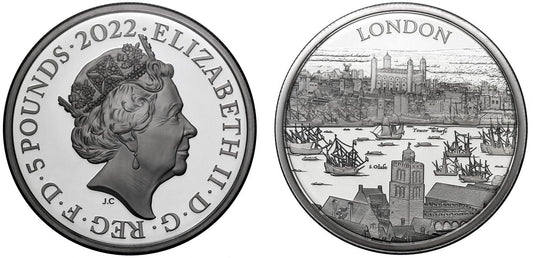
-
Charles III 2024 gold proof 1/4oz Britannia
Regular price £950Regular priceUnit price per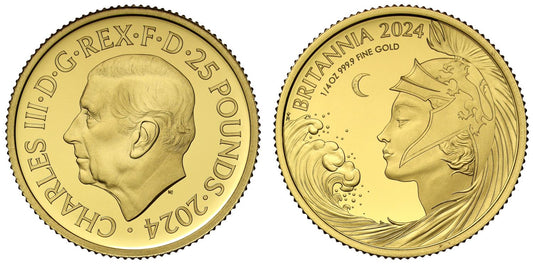
-
Charles III 2025 silver proof 2oz Waterloo Victory
Regular price £260Regular priceUnit price per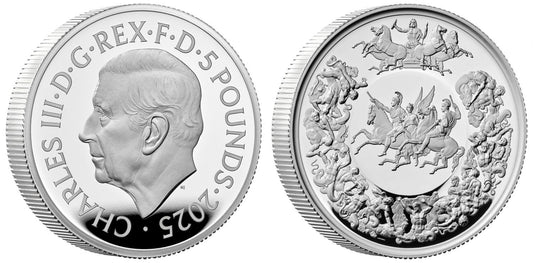
-
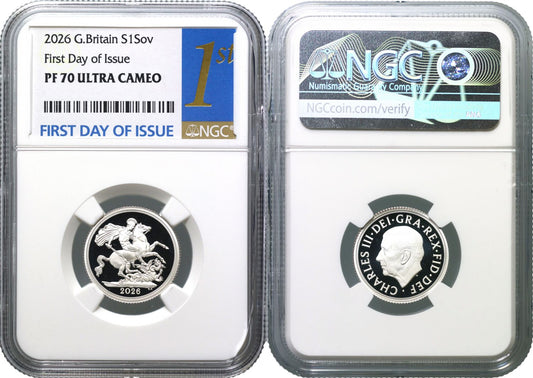
Charles III 2026 silver PF70 UCAM FDI Sovereign
Regular price £125Regular priceUnit price per