 Search


FAQs
What makes a coin valuable?


I have coins to sell, what’s the next step?
How will my purchases be shipped?
What happens if I’m not entirely happy with my purchase?
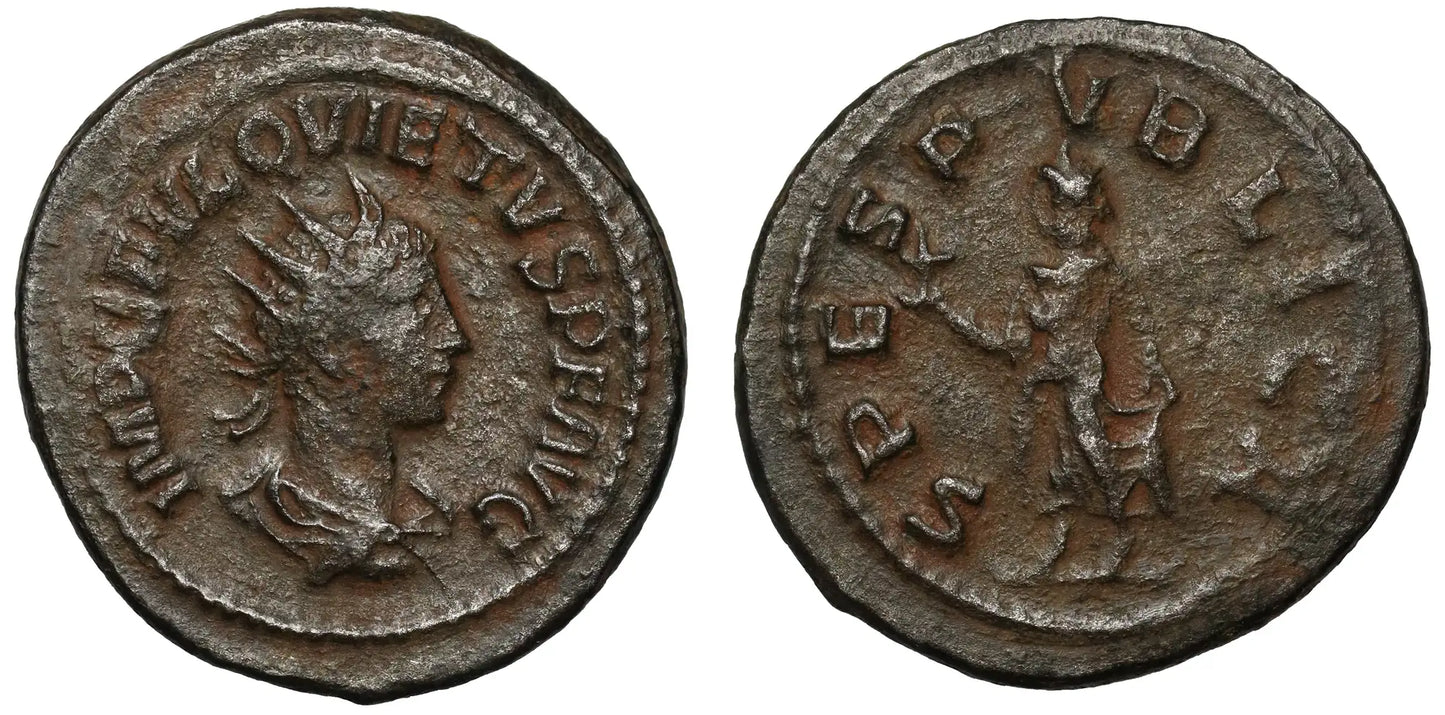
Quietus, Usurper, Billon Antoninianus
Quietus, usurper, (260-261 AD), billon Antoninianus , Samosata, IMP C FVL QVIETVS P F AVG, Radiate, draped and cuirassed bust of Quietus, rev. SPES PVBLICA, Spes advancing left, holding flower in her right hand and raising skirt with her left. (Cohen 14. MIR 1743f. RIC 11). Good fine.
This billon Antoninianus of Quietus, struck at Samosata during 260-261 AD, represents one of the many brief usurpations that characterised the Crisis of the Third Century. During this period, the Roman Empire faced invasions, economic instability, political upheaval and the rapid succession of emperors. Quietus emerged as a rival claimant to the imperial throne during the reign of Gallienus, following the capture of the eastern emperor Valerian by the Sasanian Persians in 260 AD. His rise reflected the growing fragmentation of Roman authority, particularly in the eastern provinces, where military commanders increasingly determined who held power.
The obverse depicts Quietus wearing a radiate crown, with drapery and cuirass visible on his bust with the inscription, IMP C FVL QVIETVS P F AVG. The radiate crown was a traditional feature of the Antoninianus, a denomination introduced in the third century that was originally valued at two denarii, although its silver content had declined considerably by this period.
The reverse features Spes, the personification of hope, advancing left while holding a flower in her right hand and raising her skirt with her left with the inscription SPES PVBLICA. This optimistic imagery is particularly striking given the instability surrounding Quietus's claim to power. His rule offered little lasting security, and his authority was challenged by Macrianus and his supporters before he was eventually defeated by forces loyal to Gallienus.
Quietus was killed in 261 AD, bringing his brief reign to an end. Today, this coin serves as a reminder of how fragile imperial authority had become during the third century, when even those who briefly claimed the title of Augustus could leave behind a tangible, if short-lived, mark on Roman history.
The obverse inscription IMP C FVL QVIETVS P F AVG translates to "Emperor Caesar Fulvius Quietus Pious and Blessed Augustus."
The reverse inscription SPES PVBLICA translates to "The Public Hope."
FAQs
What makes a coin valuable?
I have coins to sell, what’s the next step?
How will my purchases be shipped?
What happens if I’m not entirely happy with my purchase?
Popular Coins
View all-
Elizabeth II 2022 silver proof 2oz City Views London
Regular price £220Regular priceUnit price per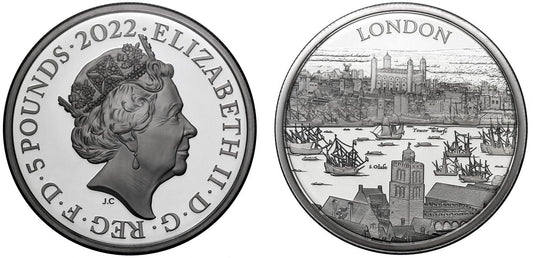
-
Charles III 2024 gold proof 1/4oz Britannia
Regular price £950Regular priceUnit price per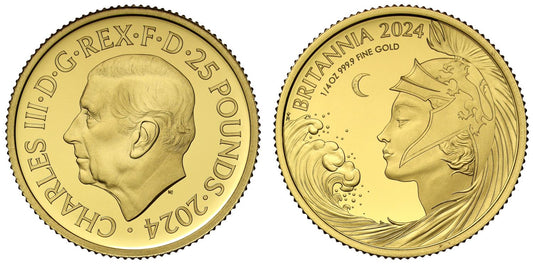
-
Charles III 2025 silver proof 2oz Waterloo Victory
Regular price £260Regular priceUnit price per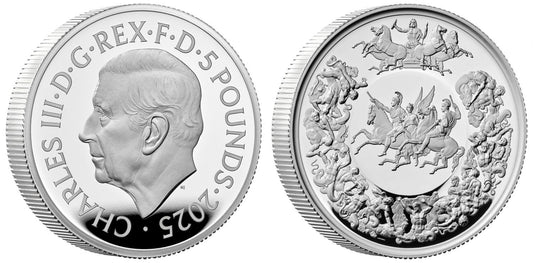
-
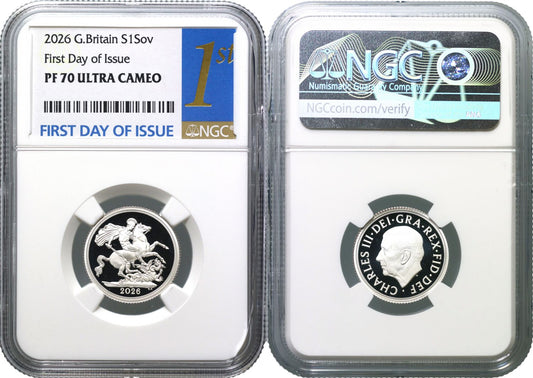
Charles III 2026 silver PF70 UCAM FDI Sovereign
Regular price £125Regular priceUnit price per