 Search


FAQs
What makes a coin valuable?


I have coins to sell, what’s the next step?
How will my purchases be shipped?
What happens if I’m not entirely happy with my purchase?
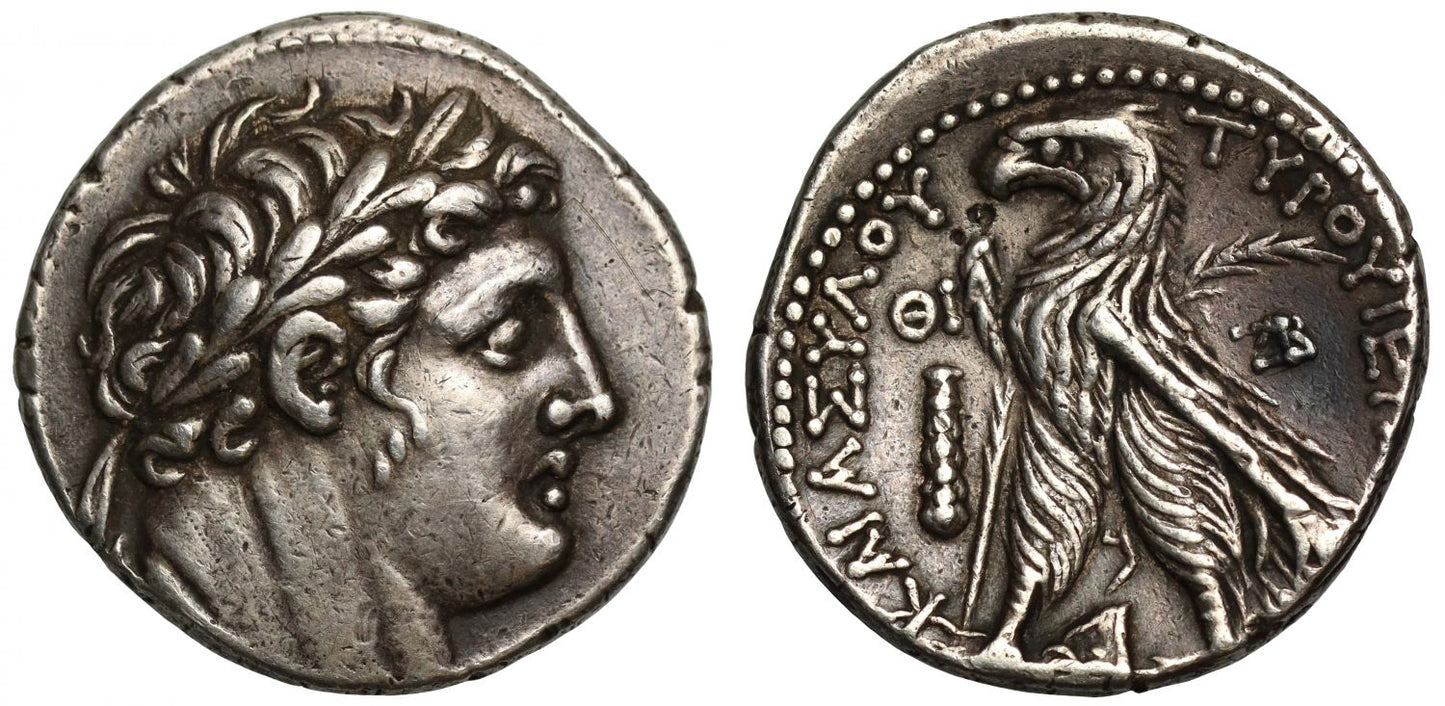
Phoenicia, Tyre, c.126/5 BC-65 AD, silver shekel, dated Civic Year 19 (108/7 BC)
Phoenicia. Tyre. c,126/5 BC- 65 AD, silver shekel. dated Civic Year 19 (108/7 BC), laureate bust of Melqart right, rev. eagle standing left on prow, palm under wing; ΘΙ (date) above club in left field, Phoenician bet between eagle's legs, ZB monogram in right field,14.20g, 1h, (DCA 919. DCA Tyre 54). A bold strike with good eye appeal, extremely fine.
The Phoenician shekel is often associated with the thirty pieces of silver that Judas Iscariot received for betraying Jesus. According to the Gospel of Matthew, Judas agreed to hand Jesus over to the chief priests in exchange for thirty pieces of silver. These coins were valuable silver currency and were widely used in the region during the period. The story of the thirty pieces of silver has become one of the most famous examples of money being connected with betrayal. The coin therefore has both historical and religious importance, as it helps illustrate the types of silver currency that may have circulated in Judea during the time of Jesus, while also being connected to the biblical story of Judas and his betrayal.
FAQs
What makes a coin valuable?
I have coins to sell, what’s the next step?
How will my purchases be shipped?
What happens if I’m not entirely happy with my purchase?
Popular Coins
View all-
Elizabeth II 2022 silver proof 2oz City Views London
Regular price £220Regular priceUnit price per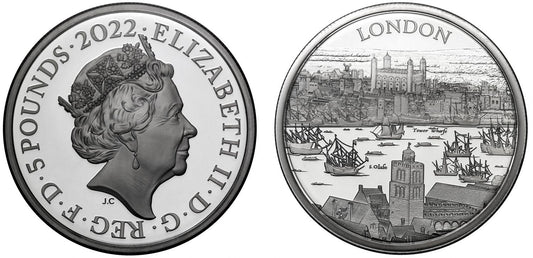
-
Charles III 2024 gold PF70 UC 1/4oz Britannia
Regular price £1,020Regular priceUnit price per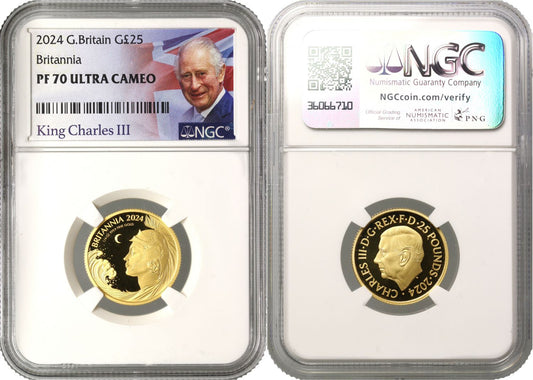
-
Charles III 2024 gold proof 1/4oz Britannia
Regular price £950Regular priceUnit price per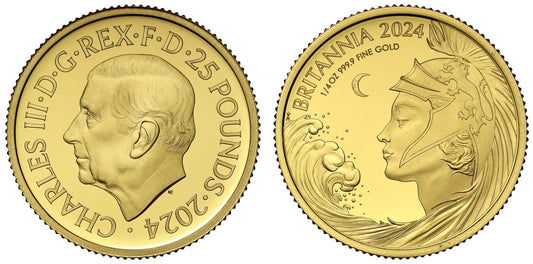
-
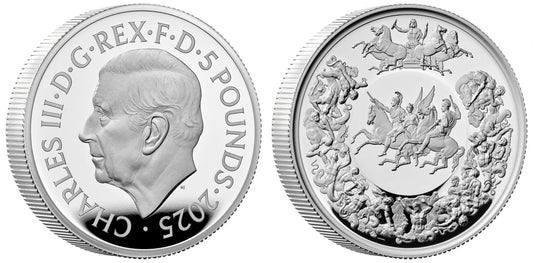
Charles III 2025 silver proof 2oz Waterloo Victory
Regular price £260Regular priceUnit price per