 Search


FAQs
What makes a coin valuable?


I have coins to sell, what’s the next step?
How will my purchases be shipped?
What happens if I’m not entirely happy with my purchase?
Pertinax, Gold Aureus, Rome, Very Rare
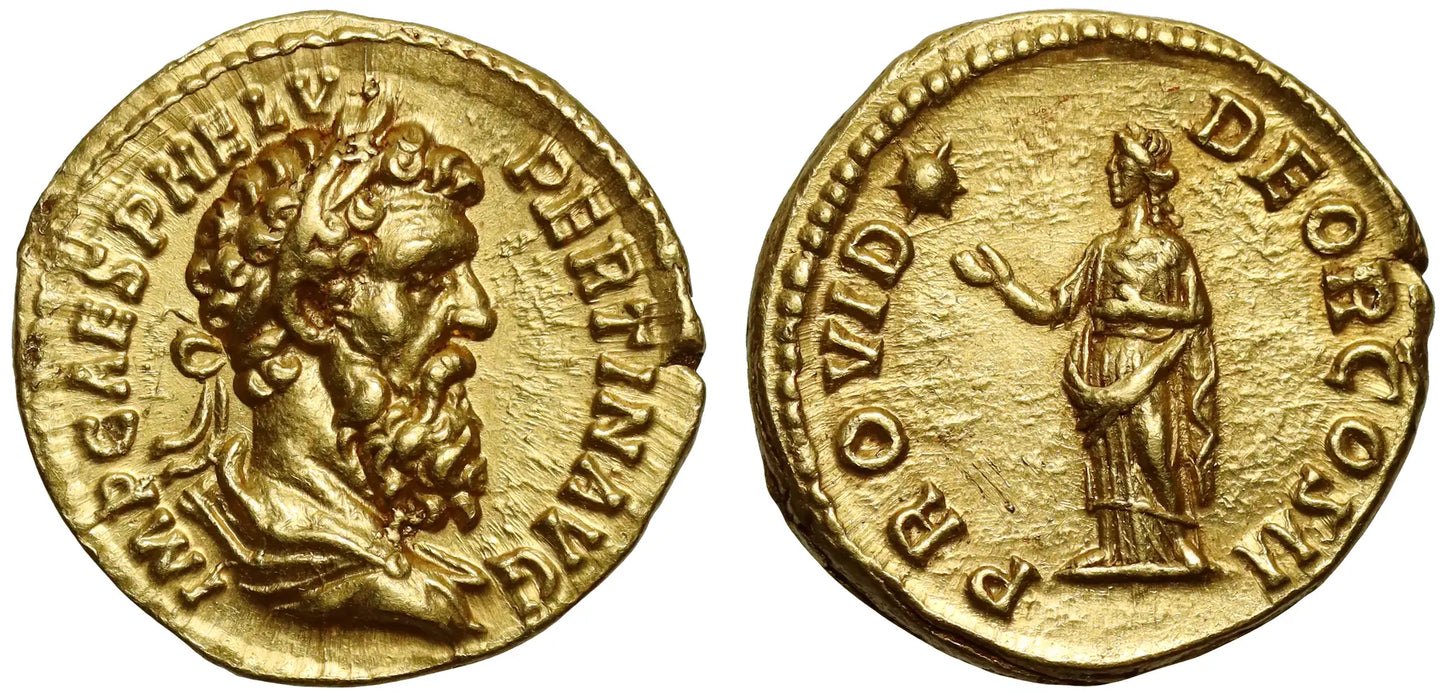
Pertinax (1 January - 28 March 193 AD), gold Aureus, Rome 193 AD, IMP CAES P HELV PERTIN AVG, laureate head of Pertinax right, rev. PROVID DEOR COS II, Providentia standing left, right hand raised, looking upwards to a star, 7.18g, 6h (RIC 11b; C. 41; BMC 12; Calicó 2390). Good extremely fine and very rare.
The gold aureus of Pertinax, minted in Rome in 193 AD, is a fascinating coin from one of the most violent periods in Roman history. Pertinax ruled as emperor from 1 January until 28 March 193 AD, a reign lasting just 86 days. Despite his short time in power, his life and career provide an interesting insight into the Roman Empire and its connections with Britain.
Born in 126 AD, Publius Helvius Pertinax came from a relatively humble background and rose through the ranks of Roman society through military service and public administration. He served in several important military and provincial positions, including in Britain, where he was appointed governor of the province of Britannia in approximately 185 AD. His time in Britain was particularly significant because he helped restore order following unrest among the Roman military. His experience in Britain contributed to his reputation as a capable and disciplined administrator, eventually helping him reach the highest position in the Roman Empire.
Pertinax became emperor following the assassination of Commodus on 31 December 192 AD. He attempted to restore discipline, improve financial management and reverse some of the excesses associated with the previous reign. However, his efforts to reform the Praetorian Guard, the elite soldiers responsible for protecting the emperor, created powerful enemies. On 28 March 193 AD, members of the Guard murdered him. His death began a period of political instability known as the Year of the Five Emperors.
The coin itself is particularly revealing. On the obverse, the inscription IMP CAES P HELV PERTIN AVG identifies Pertinax as emperor, while his laureate portrait presents him as the legitimate ruler of Rome. The laurel wreath was a traditional symbol of imperial authority and victory.
The reverse inscription, PROVID DEOR COS II, refers to the providence of the gods and Pertinax's second consulship. The figure of Providentia stands looking upwards towards a star, with her right hand raised. Providentia personified foresight and divine guidance, suggesting that the emperor's rule enjoyed the support and protection of the gods. Such imagery helped communicate stability and legitimacy during an uncertain political period.
As a gold aureus, this coin was a valuable denomination used in imperial payments and high-value transactions. Today, it is a tangible reminder of Pertinax's brief reign, his attempts to reform Rome, and his important connection to Roman Britain.
The obverse inscription IMP CAES P HELV PERTIN AVG translates to "Emperor Caesar Publius Helvius Pertinax Augustus."
The reverse inscription PROVID DEOR COS II translates to "The provision of the gods, Consul for the second time."
FAQs
What makes a coin valuable?
I have coins to sell, what’s the next step?
How will my purchases be shipped?
What happens if I’m not entirely happy with my purchase?
Popular Coins
View all-
Elizabeth II 2022 silver proof 2oz City Views London
Regular price £220Regular priceUnit price per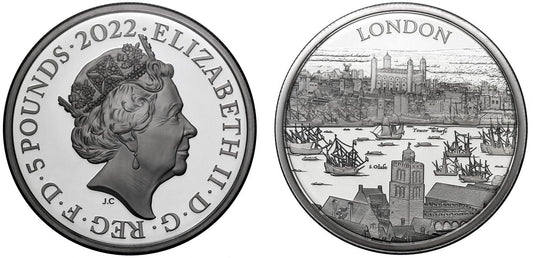
-
Charles III 2024 gold proof 1/4oz Britannia
Regular price £950Regular priceUnit price per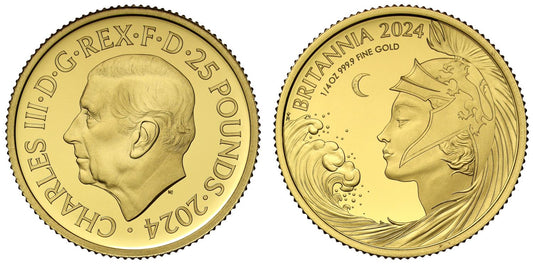
-
Charles III 2025 silver proof 2oz Waterloo Victory
Regular price £260Regular priceUnit price per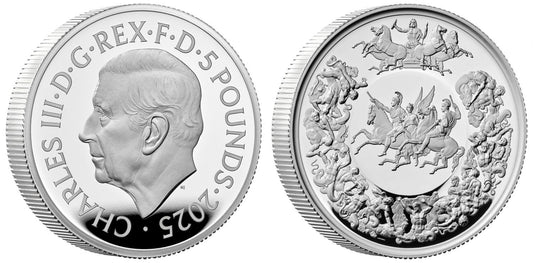
-
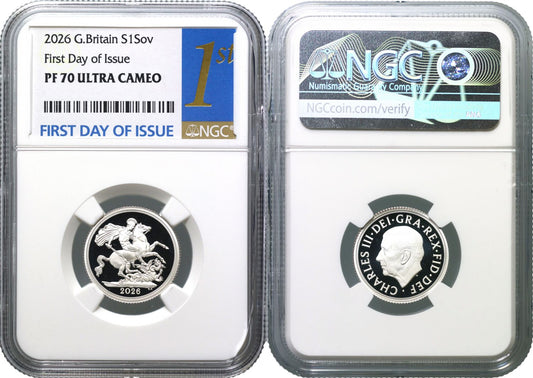
Charles III 2026 silver PF70 UCAM FDI Sovereign
Regular price £125Regular priceUnit price per