 Search


FAQs
What makes a coin valuable?


I have coins to sell, what’s the next step?
How will my purchases be shipped?
What happens if I’m not entirely happy with my purchase?
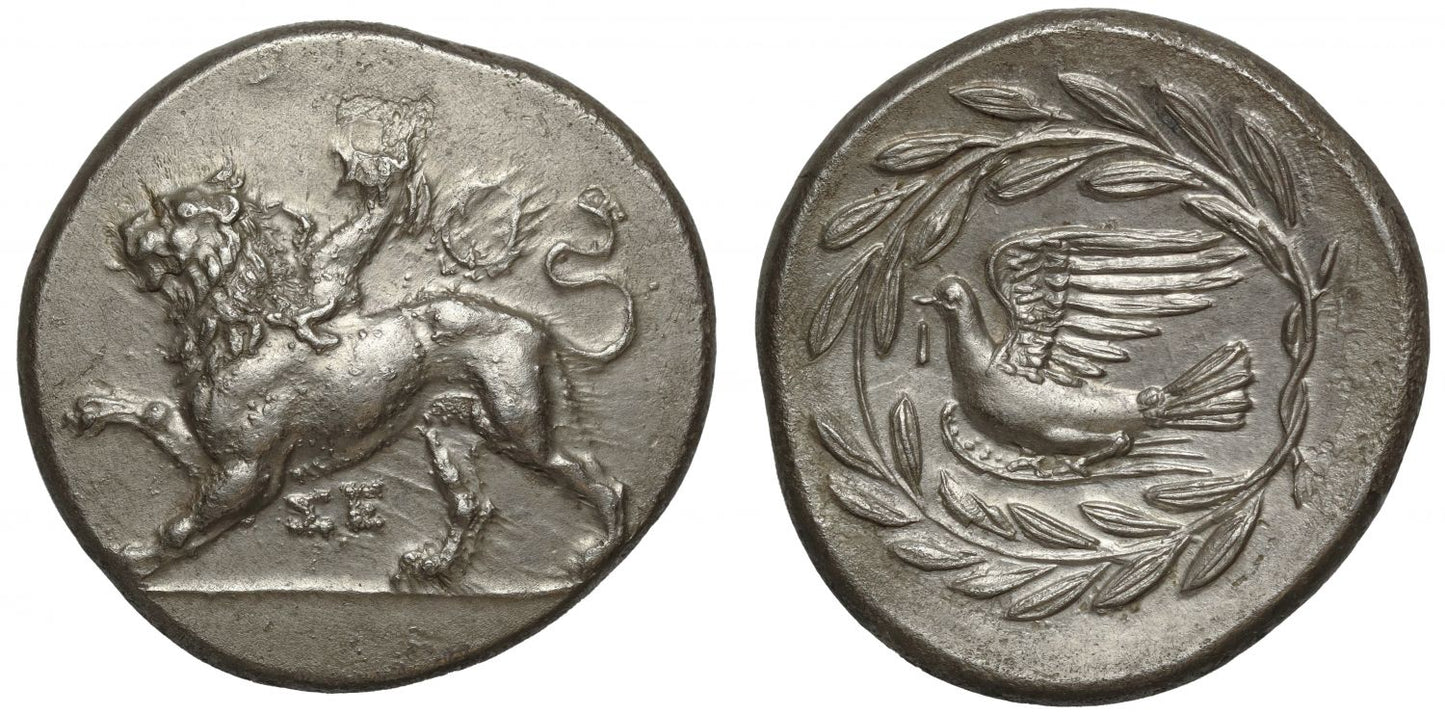
Peloponnese, Sicyon, Silver Stater, late 330s BC.
Peloponnese, Sicyon, silver Stater, late 330s BC, chimera left, on groundline, wreath above, ΣE below, rev. dove left, within wreath, I below dove's neck, 12.14g, 9h (BMC 56; BCD Peloponnesos 219). Light die rust on obverse, light roughness to the peripheries, nearly extremely fine.
In his notes, BCD suggests this issue, with letter I, along with those with letters N or A, should be associated with Alexander the Great's recruitment of mercenaries for his campaign in Asia. He suggests that, amongst the whole series, it is these coins which are found in high grade perhaps indicating that they were withdrawn from circulation, buried to be recovered at a later date by soldiers who never returned. The Peloponnese is thought to have been a steady and reliable source of mercenaries and Sicyon with its well-established mint and administration was well placed to serve as a conduit for this supply.
Provenance:
Bought A H Baldwin & Sons Ltd., June 2013
FAQs
What makes a coin valuable?
I have coins to sell, what’s the next step?
How will my purchases be shipped?
What happens if I’m not entirely happy with my purchase?
Popular Coins
View all-
Elizabeth II 2022 silver proof 2oz City Views London
Regular price £220Regular priceUnit price per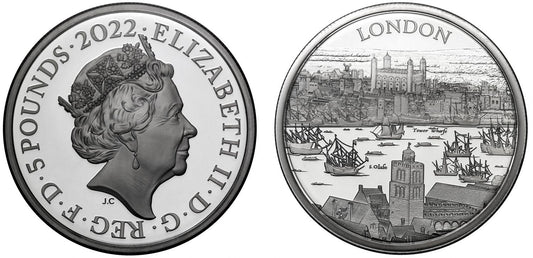
-
Tudor Beasts Completer 2027 1oz silver proof Charles III
Regular price £185Regular priceUnit price per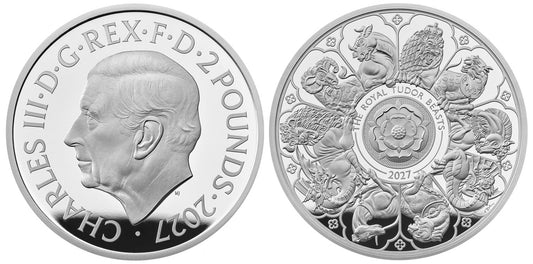
-
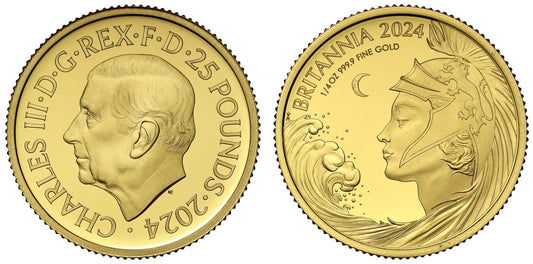
Charles III 2024 gold PF70 UC 1/4oz Britannia
Regular price £1,020Regular priceUnit price per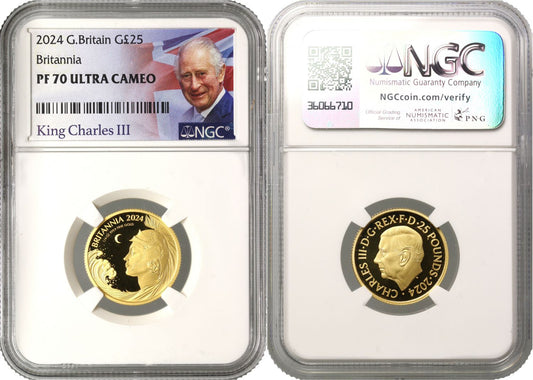
-
Charles III 2024 gold proof 1/4oz Britannia
Regular price £950Regular priceUnit price per