 Search


FAQs
What makes a coin valuable?


I have coins to sell, what’s the next step?
How will my purchases be shipped?
What happens if I’m not entirely happy with my purchase?
Macedon, Neapolis, Silver Stater, c. 500-480 BC.
Macedon, Neapolis, c. 500-480 BC, silver stater, fearsome gorgoneion facing, rev. quadripartite incuse square, 9.95g (AMNG III/2, 6; HGC 3, 583; SNG ANS 406-19; Dewing 1604; Kraay & Hirmer 433; Traité I 1740). Light marks to edge, very fine.
This silver stater was minted at Neapolis in Macedon around 500-480 BC, during the late Archaic period of ancient Greece. Neapolis was a settlement in the region of Macedonia, probably founded by colonists from the nearby island of Mende during the 6th century BC. Its exact location is still uncertain, although archaeological remains near modern Polychrono have been suggested as the site. The city was located in a region rich in natural resources and was connected to the important trade routes of northern Greece.The most striking feature of the coin is the gorgoneion, the terrifying frontal face of the Gorgon, shown with wide eyes and a protruding tongue. In Greek mythology, the most famous Gorgon was Medusa, a creature whose gaze could turn people to stone. Her image was commonly used as a protective symbol, known as an apotropaic image, intended to frighten away evil or danger. The Gorgon therefore gave the coin a powerful and intimidating appearance. On the reverse is a simple quadripartite incuse square, created by the striking process used to produce early Greek coins. This design is characteristic of Neapolis's earliest silver coinage. The combination of the fearsome Gorgon and the distinctive incuse reverse make this stater an excellent example of early Macedonian coinage and the religious imagery of the Greek Archaic period.
FAQs
What makes a coin valuable?
I have coins to sell, what’s the next step?
How will my purchases be shipped?
What happens if I’m not entirely happy with my purchase?

Popular Coins
View all-
Elizabeth II 2022 silver proof 2oz City Views London
Regular price £220Regular priceUnit price per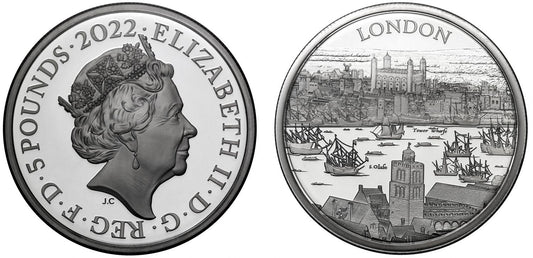
-
Charles III 2024 gold PF70 UC 1/4oz Britannia
Regular price £1,020Regular priceUnit price per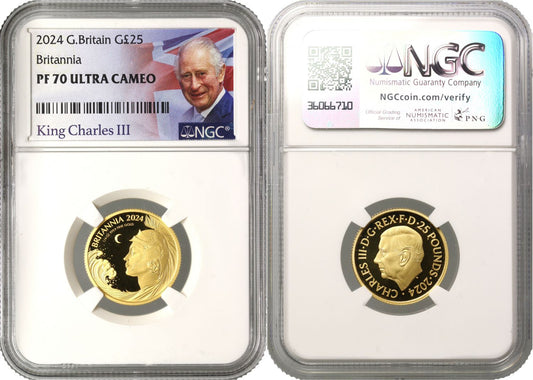
-
Charles III 2024 gold proof 1/4oz Britannia
Regular price £950Regular priceUnit price per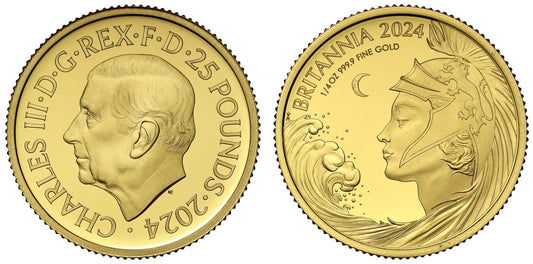
-
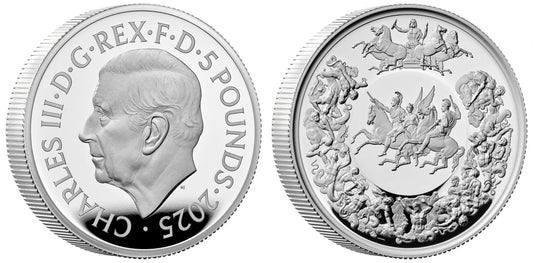
Charles III 2025 silver proof 2oz Waterloo Victory
Regular price £260Regular priceUnit price per