 Search


FAQs
What makes a coin valuable?


I have coins to sell, what’s the next step?
How will my purchases be shipped?
What happens if I’m not entirely happy with my purchase?
Lysimachos, Silver Tetradrachm, XF 5/5 4/5 brushed.
Kings of Thrace, Lysimachos (323-281 BC), silver Tetradrachm, uncertain mint, diademed head of Alexander the Great right, deified, with the horn of Ammon, rev. ΒΑΣΙΛΕΩΣ - ΛΥΣΙΜΑΧΟΥ, Athena seated left, holding Nike, crowning the king's name, in her right hand, and leaning with her left arm on shield decorated with lion's head, ivy leaf between Athena and Nike, 17.07g, 2h. XF 5/5 4/5 brushed.
NGC Certification 8534572-003 [dated 305-281 BC]
This silver tetradrachm was issued in the name of Lysimachos, one of the most important successors of Alexander the Great. Although the precise mint of this example is uncertain. These coins are particularly renowned for their remarkable portrait of Alexander, which continued to be used long after his death as a powerful symbol of royal authority and legitimacy.
The obverse depicts the diademed head of the deified Alexander the Great facing right. Behind his ear is the horn of Ammon, identifying Alexander with the Egyptian deity Ammon. This distinctive feature transforms the portrait from that of an ordinary ruler into an image of a heroic and divine figure. Alexander's flowing hair, royal diadem and idealised features create one of the most recognisable portraits of the Hellenistic period.
The reverse bears the inscription ΒΑΣΙΛΕΩΣ ΛΥΣΙΜΑΧΟΥ, meaning "of King Lysimachos." Athena is seated facing left, holding Nike in her right hand. The winged goddess of victory stretches forward to crown the name of Lysimachos with a wreath, creating a direct visual connection between the king and victory. Athena rests her left arm against a large shield decorated with a lion's head, while an ivy leaf appears between Athena and Nike.
The choice of Alexander's deified portrait was highly significant. Lysimachos had been one of Alexander's generals and became a ruler in his own right after the empire was divided following Alexander's death in 323 BC. By placing Alexander's idealised image on his coinage, Lysimachos connected his own authority with the memory and achievements of the great conqueror. At the same time, the inscription on the reverse clearly asserts Lysimachos' own royal status.
Athena and Nike reinforce this message. Athena represents wisdom, strategic warfare and divine protection, while Nike embodies victory and success. The shield bearing a lion's head adds another heroic element to the composition, while the ivy leaf provides a subtle decorative detail that contributes to the richness of the design.
The tetradrachm is therefore more than simply a piece of currency. It is a carefully constructed statement of Hellenistic kingship, combining the divine memory of Alexander with the authority of Lysimachos. Its sophisticated imagery and exceptional portraiture make the type among the most celebrated silver coinages of the early Hellenistic world.
FAQs
What makes a coin valuable?
I have coins to sell, what’s the next step?
How will my purchases be shipped?
What happens if I’m not entirely happy with my purchase?

Popular Coins
View all-
Elizabeth II 2022 silver proof 2oz City Views London
Regular price £220Regular priceUnit price per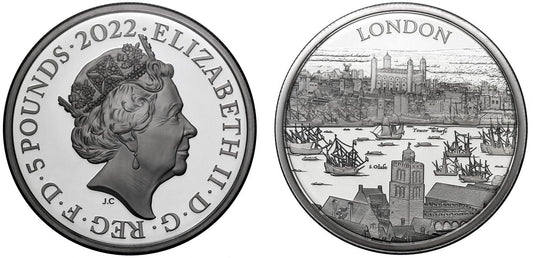
-
Charles III 2024 gold proof 1/4oz Britannia
Regular price £950Regular priceUnit price per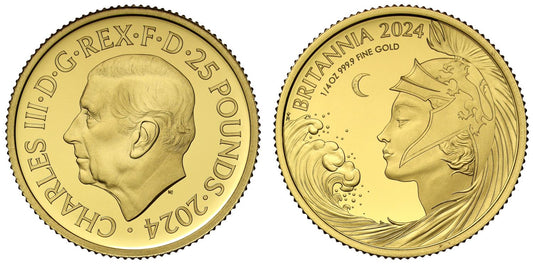
-
Charles III 2025 silver proof 2oz Waterloo Victory
Regular price £260Regular priceUnit price per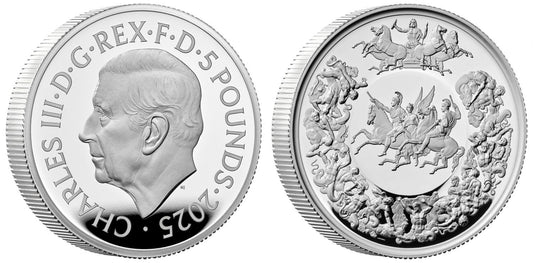
-
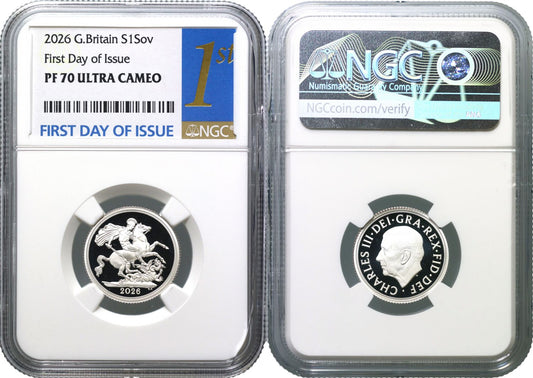
Charles III 2026 silver PF70 UCAM FDI Sovereign
Regular price £125Regular priceUnit price per