 Search


FAQs
What makes a coin valuable?


I have coins to sell, what’s the next step?
How will my purchases be shipped?
What happens if I’m not entirely happy with my purchase?
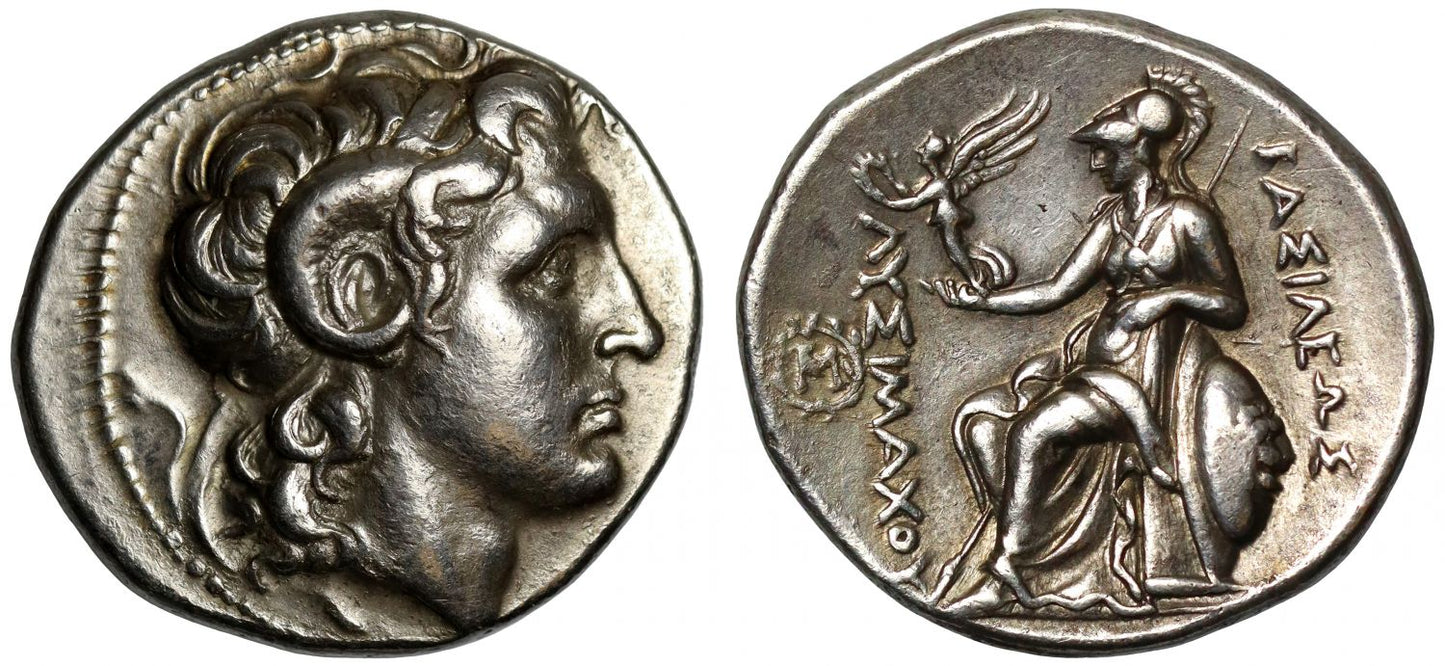
Lysimachos, silver Tetradrachm, Magnesia ad Maeandrum, c.297-81 BC
Kings of Thrace, Lysimachos (305-281 BC), silver Tetradrachm, Magnesia ad Maeandrum, c. 297-281 BC. Diademed head of Alexander the Great to right with horn of Ammon over his ear, rev. ΒΑΣΙΛΕΩΣ ΛΥΣΙΜΑΧΟΥ, Athena seated left, holding Nike, crowning the king's name, in her right hand and leaning with her left arm on shield decorated with lion's head; behind, transverse spear; to outer left, monogram in wreath, 16.87g (Müller 301. Thompson 101 type 1). Good very fine.
This silver tetradrachm was struck at Magnesia ad Maeandrum in western Asia Minor around 297-281 BC, during the reign of Lysimachos. Lysimachos was one of the leading successors of Alexander the Great and became king of a large Hellenistic realm encompassing Thrace and substantial parts of Asia Minor. His coinage is famous for its idealised portrait of Alexander, which served both as a commemoration of the conqueror and as a powerful statement of Lysimachos' own royal authority.
The obverse depicts the diademed head of Alexander the Great facing right, with the horn of Ammon rising behind his ear. The horn refers to Alexander's association with the Egyptian god Ammon, an important element of his posthumous divine image. Rather than presenting Alexander as he might have appeared in life, the portrait shows him as an idealised and heroic figure. The carefully rendered facial features, flowing hair and royal diadem give the portrait an imposing presence.
The reverse bears the inscription ΒΑΣΙΛΕΩΣ ΛΥΣΙΜΑΧΟΥ, meaning "of King Lysimachos." Athena is seated facing left and holds Nike in her right hand. Nike, the goddess of victory, extends a wreath towards the inscription, symbolically crowning the name of Lysimachos. Athena rests her other arm upon a shield decorated with a lion's head, while a transverse spear stands behind her. The combination of Athena, Nike, the shield and spear create a powerful image of military strength and divine protection.
A monogram enclosed within a wreath appears in the outer left field. Such monograms and control symbols were important features of Hellenistic coinage and helped distinguish issues, officials or stages of production. The attribution of the coin to Magnesia ad Maeandrum places it within the sophisticated network of mints operating across Lysimachos' territories in Asia Minor.
The use of Alexander's image was particularly meaningful for Lysimachos. As one of Alexander's former generals, he had witnessed the creation of the Macedonian Empire and later established his own kingdom during the struggles among the successors. By placing a deified Alexander on his coinage, Lysimachos associated himself with Alexander's extraordinary legacy while the reverse simultaneously proclaimed his own kingship.
FAQs
What makes a coin valuable?
I have coins to sell, what’s the next step?
How will my purchases be shipped?
What happens if I’m not entirely happy with my purchase?
Popular Coins
View all-
Elizabeth II 2022 silver proof 2oz City Views London
Regular price £220Regular priceUnit price per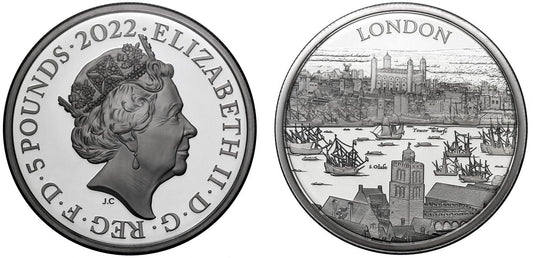
-
Charles III 2024 gold proof 1/4oz Britannia
Regular price £950Regular priceUnit price per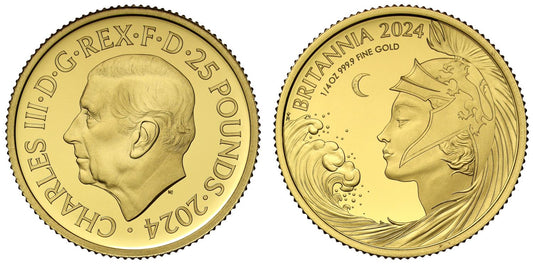
-
Charles III 2025 silver proof 2oz Waterloo Victory
Regular price £260Regular priceUnit price per
-
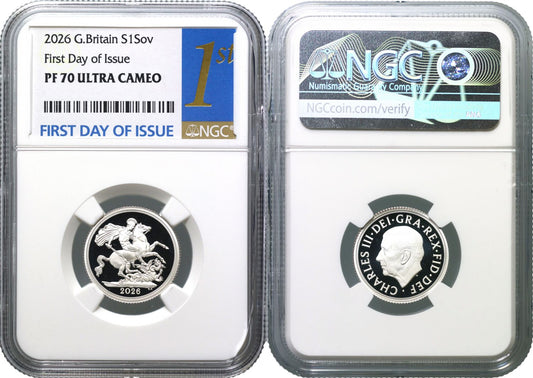
Charles III 2026 silver PF70 UCAM FDI Sovereign
Regular price £125Regular priceUnit price per