 Search


FAQs
What makes a coin valuable?


I have coins to sell, what’s the next step?
How will my purchases be shipped?
What happens if I’m not entirely happy with my purchase?
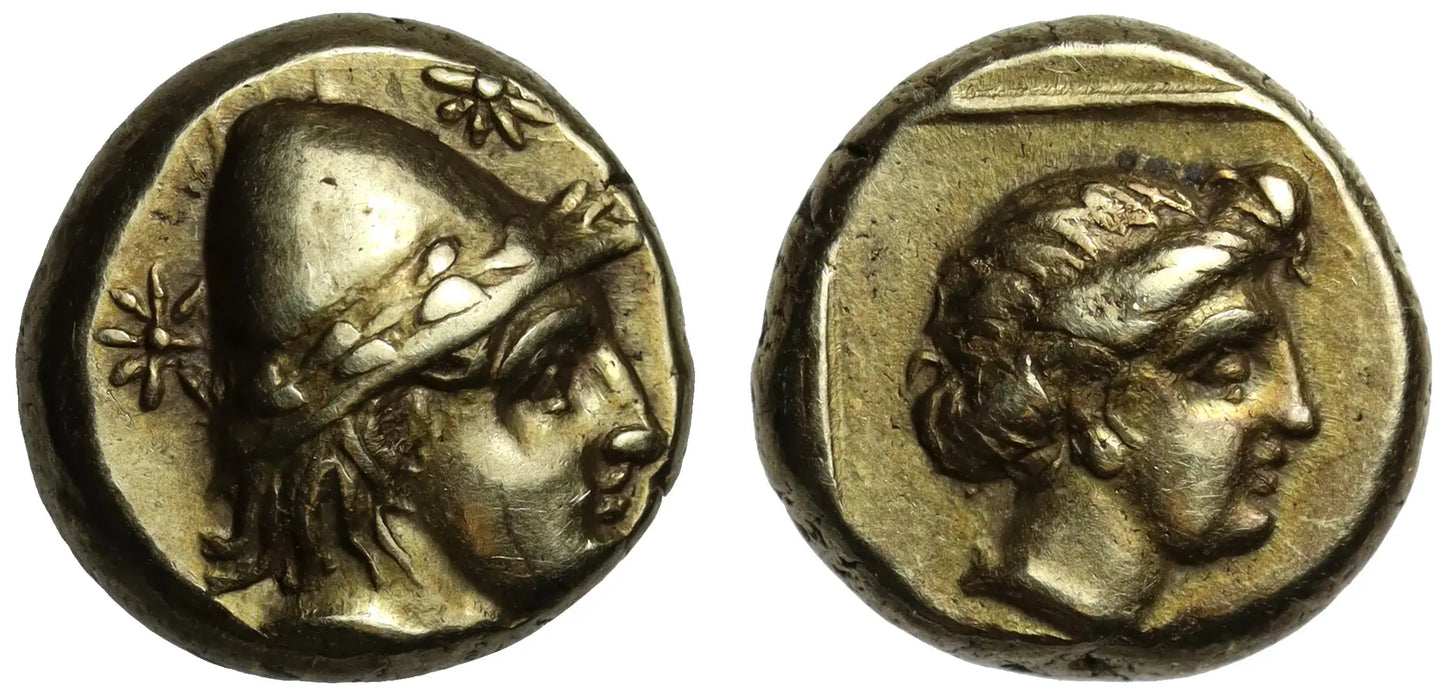
Lesbos, Mytilene, EL Hekte, Provenance to 1954
Lesbos, Mytilene (377-326 BC), electrum Hekte, head of Kabeiros right, wearing pileos, two stars flanking, rev. head of Persephone right within linear square, 2.56g, 1h (Bodenstedt Em. 99; HGC 6, 1025). About extremely fine.
Provenance:
Ex. Professor John F. Healy's 1954 Cambridge PhD thesis - BD19
This electrum hekte was minted at Mytilene, the principal city of Lesbos, an important Greek island in the northeastern Aegean Sea, during the late fourth century BC. Struck between approximately 377 and 326 BC, it belongs to a distinguished tradition of electrum coinage for which Mytilene was particularly renowned. Electrum, a naturally occurring alloy of gold and silver, was highly valued for coin production, allowing small denominations to carry considerable purchasing power.
The obverse depicts the head of Kabeiros facing right, wearing a pileos, a distinctive cap associated with the deity. The two stars flanking the head provide additional divine symbolism, although their precise significance remains open to interpretation. Kabeiroi were mysterious divinities associated with initiation rites and protection, particularly in the northern Aegean region. Their worship formed part of the wider religious landscape of the Greek world.
On the reverse appears Persephone, goddess of vegetation and queen of the underworld, whose image connects the coin with the rich religious traditions of ancient Greece. The pairing of Kabeiros and Persephone is particularly intriguing, reflecting the diverse cults and divine associations familiar to the inhabitants of the Aegean. The carefully framed portrait also demonstrates the engraver's skill in creating a clear, balanced design on a very small surface.
As a hekte, equivalent to one-sixth of a stater, this coin formed part of Mytilene's established electrum monetary system. Its production illustrates the city's commercial importance and sophisticated minting tradition during the Classical period. Today, it remains a compelling example of the intersection between ancient commerce, craftsmanship and religious belief.
FAQs
What makes a coin valuable?
I have coins to sell, what’s the next step?
How will my purchases be shipped?
What happens if I’m not entirely happy with my purchase?
Popular Coins
View all-
Elizabeth II 2022 silver proof 2oz City Views London
Regular price £220Regular priceUnit price per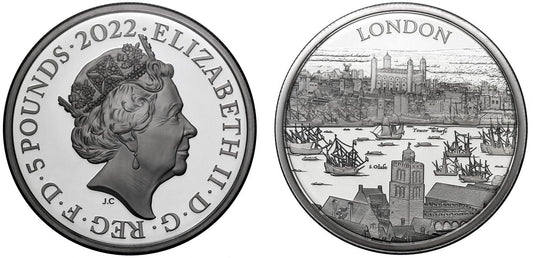
-
Charles III 2024 gold proof 1/4oz Britannia
Regular price £950Regular priceUnit price per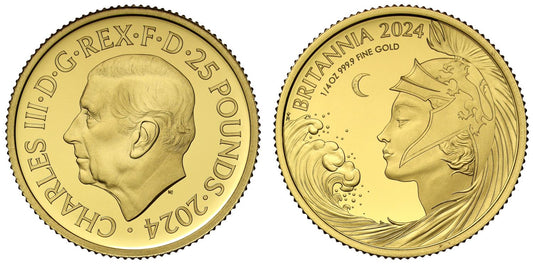
-
Charles III 2026 silver PF70 UCAM FDI Sovereign
Regular price £125Regular priceUnit price per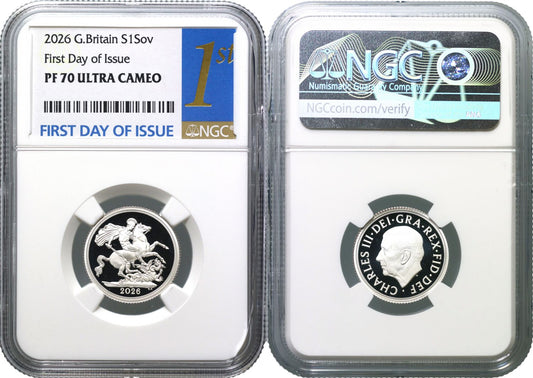
-
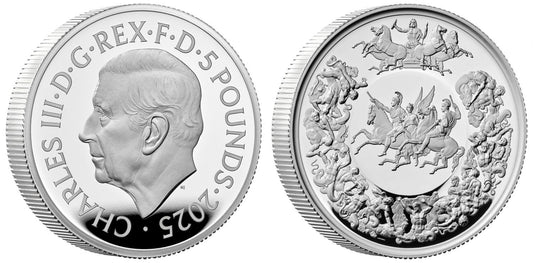
Charles III 2025 silver proof 2oz Waterloo Victory
Regular price £260Regular priceUnit price per