 Search


FAQs
What makes a coin valuable?


I have coins to sell, what’s the next step?
How will my purchases be shipped?
What happens if I’m not entirely happy with my purchase?
Lesbos, Billon 1/36th Stater
Lesbos, Uncertain Mint (c. 500-450 B.C.), Billon 1/36th Stater. Two human eyes (?), rev. incuse square with irregular divisions, 0.29g. (SNG Copenhagen 292; Rosen 548; BMC 28). A pleasing and well-centred example of this enigmatic little coin, good very fine, rare.
This small billon coin was produced on the Greek island of Lesbos between approximately 500 and 450 BC, during the Archaic period of Greek history. At this time, coinage was developing across the Greek world, with individual cities and mints producing distinctive designs that reflected local traditions and artistic styles. The precise mint responsible for this issue remains uncertain, making it an intriguing example of early Greek monetary history.
The obverse features what appear to be two human eyes, although the identification is uncertain. If correctly interpreted, the design may represent a stylised human face or another symbolic motif, reflecting the experimental and often abstract imagery found on early Greek coins. The reverse displays an incuse square divided into irregular sections, a characteristic feature of many early coinages. Such impressions were created when the blank metal flan was struck between engraved dies, producing a design on the front and a recessed pattern on the reverse.
Struck in billon, an alloy containing silver and base metals, this tiny 1/36th stater illustrates the variety of materials, denominations and artistic approaches that characterised the earliest stages of Greek coin production.
FAQs
What makes a coin valuable?
I have coins to sell, what’s the next step?
How will my purchases be shipped?
What happens if I’m not entirely happy with my purchase?

Popular Coins
View all-
Elizabeth II 2022 silver proof 2oz City Views London
Regular price £220Regular priceUnit price per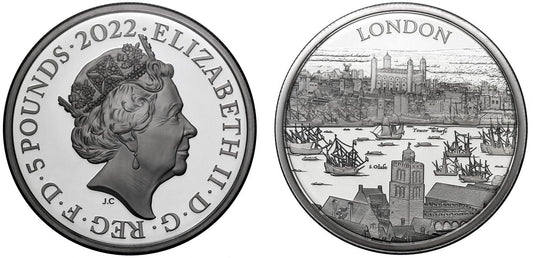
-
Charles III 2024 gold proof 1/4oz Britannia
Regular price £950Regular priceUnit price per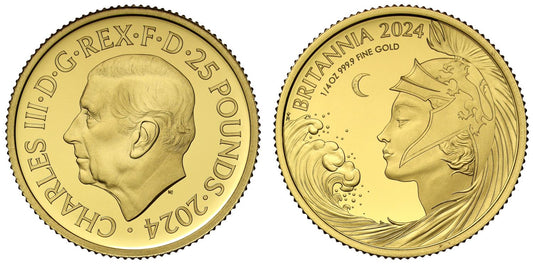
-
Charles III 2026 silver PF70 UCAM FDI Sovereign
Regular price £125Regular priceUnit price per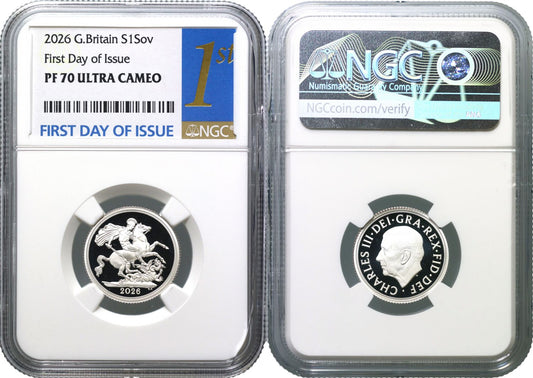
-
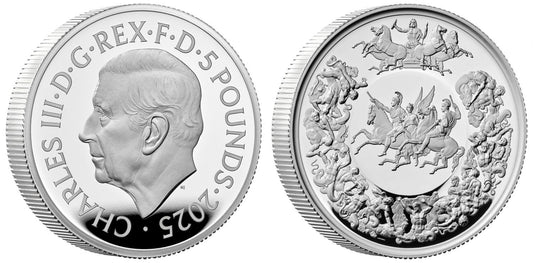
Charles III 2025 silver proof 2oz Waterloo Victory
Regular price £260Regular priceUnit price per