 Search


FAQs
What makes a coin valuable?


I have coins to sell, what’s the next step?
How will my purchases be shipped?
What happens if I’m not entirely happy with my purchase?
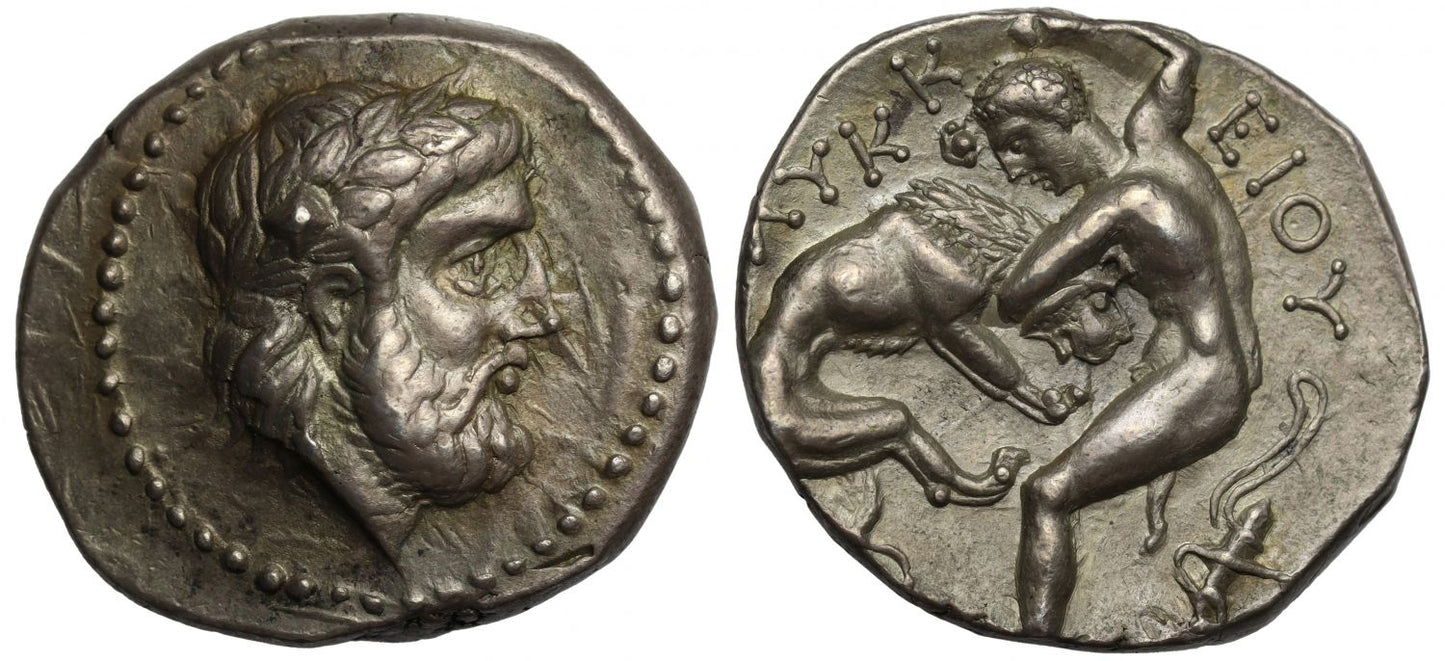
Kings of Paeonia, Lykkeius, silver Tetradrachm
Kings of Paeonia, Lykkeius (c 359 - 335), silver Tetradrachm, laureate head of Zeus right, rev. ΛΥΚΚ - ΕΙΟΥ, Herakles crouching left fighting with lion, grasping its neck and holding club, 12.46g, 6h (AMNG III, 8. SNG ANS 1019. HGC 3.1, 142). Extremely fine.
This silver tetradrachm was issued by Lykkeios, king of Paeonia, during the fourth century BC, around 359-335 BC. Paeonia was an ancient kingdom in the central Balkans, situated to the north of Macedon. Lykkeios ruled during a turbulent period in which the power of Macedon was rapidly expanding under King Philip II.
The obverse of the coin depicts the laureate head of Zeus facing right. As the supreme god of the Greek world, Zeus was a powerful symbol of divine authority and kingship. His presence on the coin reflects the strong influence of Greek religious and artistic traditions in the region and gives the tetradrachm a distinctly classical character.
The reverse presents the celebrated mythological struggle between Herakles and the Nemean lion. Herakles is shown crouching or standing to the left, gripping the lion around the neck while preparing to strike with his raised club. The lion was the first opponent in Herakles' famous Twelve Labours and was said to possess an impenetrable hide. Behind the hero are his bow and quiver, further identifying him as the legendary Greek hero.
The inscription ΛΥΚΚΕΙΟΥ identifies the issuing ruler and can be understood as "of Lykkeios." The use of the king's name is particularly significant, as Lykkeios was the first known Paeonian ruler to place his own name on his coinage. The tetradrachm therefore served not only as currency but also as an expression of royal authority and Paeonian identity.
Lykkeios' reign coincided with the growing dominance of Macedon. Following military conflict with Philip II, Paeonia came increasingly under Macedonian influence, although the kingdom retained its own ruler and distinctive coinage. These circumstances make the tetradrachms of Lykkeios important historical evidence for a small but significant Balkan kingdom during one of the most transformative periods of the ancient Greek world.
FAQs
What makes a coin valuable?
I have coins to sell, what’s the next step?
How will my purchases be shipped?
What happens if I’m not entirely happy with my purchase?
Popular Coins
View all-
Elizabeth II 2022 silver proof 2oz City Views London
Regular price £220Regular priceUnit price per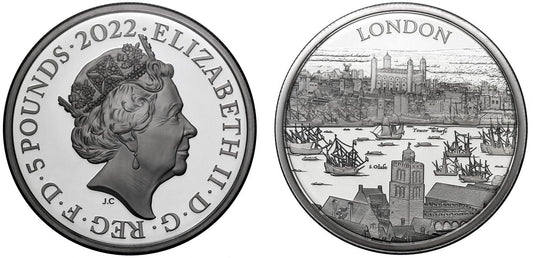
-
Charles III 2024 gold proof 1/4oz Britannia
Regular price £950Regular priceUnit price per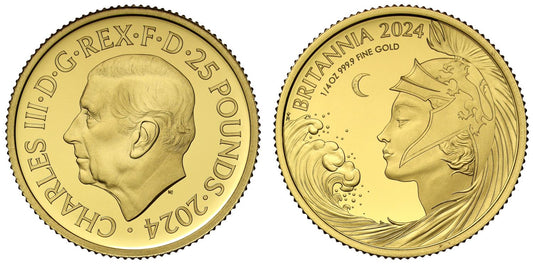
-
Charles III 2025 silver proof 2oz Waterloo Victory
Regular price £260Regular priceUnit price per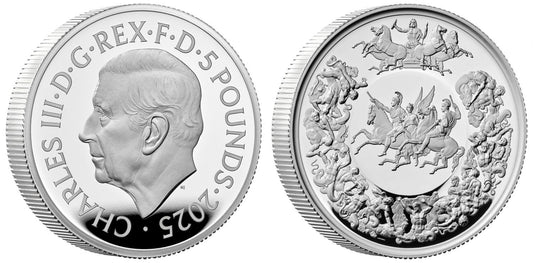
-
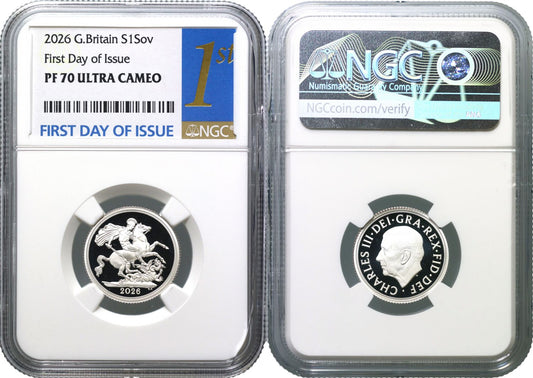
Charles III 2026 silver PF70 UCAM FDI Sovereign
Regular price £125Regular priceUnit price per