 Search


FAQs
What makes a coin valuable?


I have coins to sell, what’s the next step?
How will my purchases be shipped?
What happens if I’m not entirely happy with my purchase?
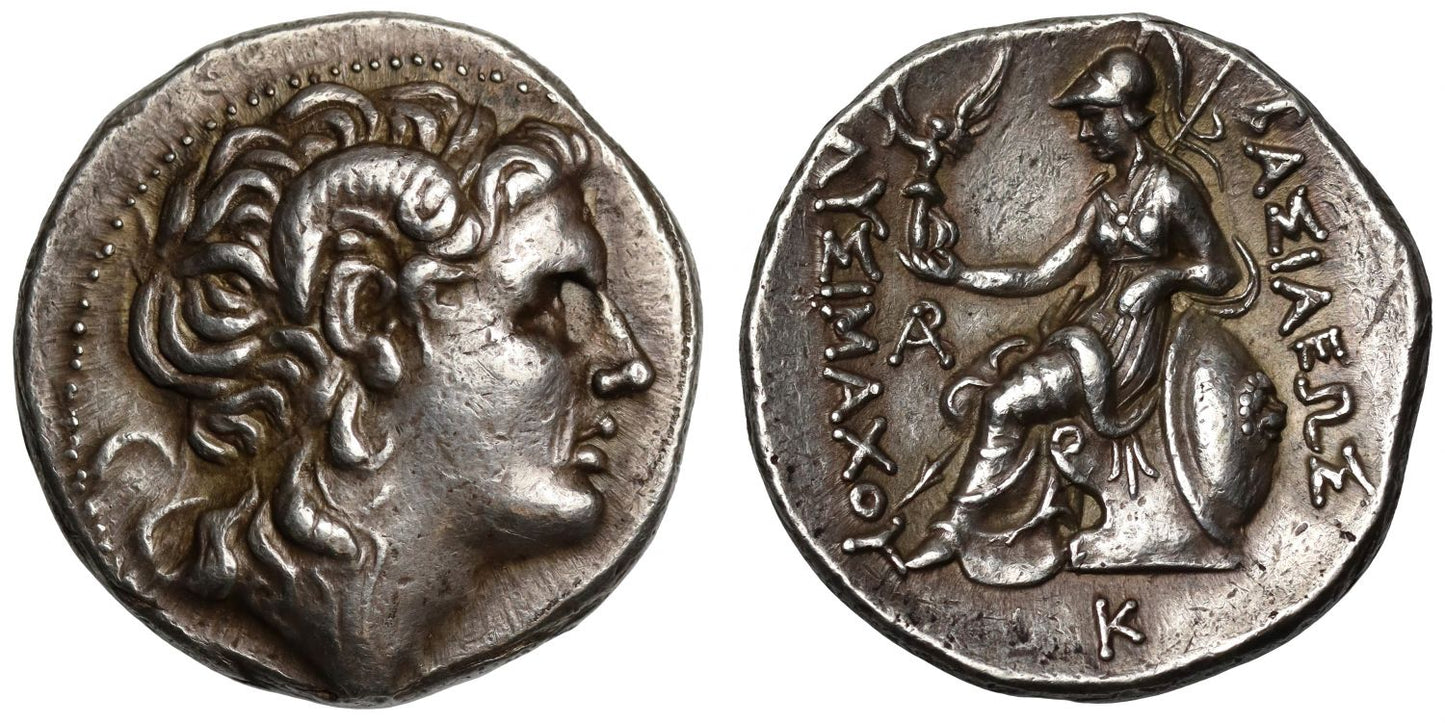
Kingdom of Thrace, Lysimachos, silver Tetradrachm, Pella, c.286-1 BC
Kingdom of Thrace, Lysimachos (323-281 BC), silver Tetradrachm, Pella Mint, c. 286-281 BC, diademed head of the deified Alexander right, with horn of Ammon, rev. ΒΑΣΙΛΕΩΣ ΛΥΣΙΜΑΧΟΥ, Athena seated left on throne, with arm resting on shield, transverse spear in background, and holding crowning Nike; AP monogram to inner left; K in exergue, 17.32g, 7h (HGC-3.2, 1750P; Thompson-253; Muller-471). Good very fine.
This silver tetradrachm of Lysimachos was struck at the Macedonian mint of Pella around 286-281 BC. Lysimachos was one of the principal successors of Alexander the Great and eventually ruled a powerful kingdom centred on Thrace and parts of Asia Minor and Macedonia. His coinage is particularly famous for its striking portrait of Alexander, which continued to promote the memory and prestige of the conqueror decades after his death.
The obverse features the diademed head of the deified Alexander the Great facing right. Behind his ear is the horn of Ammon, identifying Alexander with the powerful Egyptian deity Ammon. The portrait is idealised rather than intended as a conventional likeness, presenting Alexander as a heroic and divine figure. His flowing hair, royal diadem and prominent horn create an imposing image that became one of the most recognisable portraits of the Hellenistic age.
The reverse carries the inscription ΒΑΣΙΛΕΩΣ ΛΥΣΙΜΑΧΟΥ, meaning "of King Lysimachos." Athena is seated facing left upon an elaborate throne, with one arm resting upon her shield and a transverse spear positioned behind her. In her outstretched hand she holds Nike, the goddess of victory, who crowns the royal name with a wreath. The composition conveys a clear message of divine protection, military success and royal authority.
The AP monogram in the inner left field and the letter K in the exergue are control marks associated with the minting of the coin. Such symbols helped identify particular issues and officials involved in the production of the extensive Lysimachos coinage. Pella, the traditional capital of the Macedonian kings, was an important centre of administration and remained closely connected with the legacy of Alexander and the Argead dynasty.
The decision to place Alexander's deified portrait on his own coinage was politically significant for Lysimachos. Alexander's reputation remained enormously powerful throughout the Hellenistic world, and associating himself with Alexander allowed Lysimachos to connect his own authority with the legacy of the great conqueror. At the same time, the reverse presents Lysimachos explicitly as king, making the coin both a commemoration of Alexander and an assertion of Lysimachos' own royal status.
FAQs
What makes a coin valuable?
I have coins to sell, what’s the next step?
How will my purchases be shipped?
What happens if I’m not entirely happy with my purchase?
Popular Coins
View all-
Elizabeth II 2022 silver proof 2oz City Views London
Regular price £220Regular priceUnit price per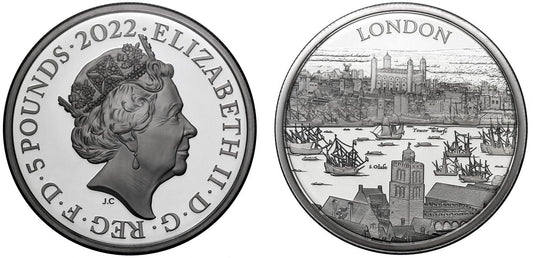
-
Charles III 2024 gold proof 1/4oz Britannia
Regular price £950Regular priceUnit price per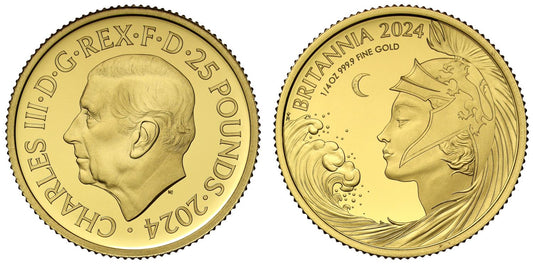
-
Charles III 2025 silver proof 2oz Waterloo Victory
Regular price £260Regular priceUnit price per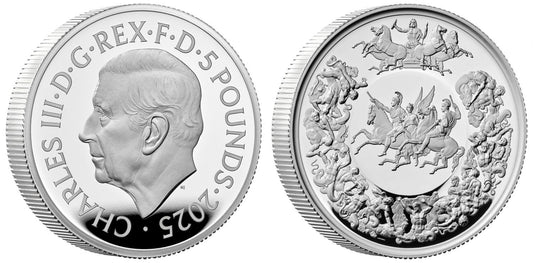
-
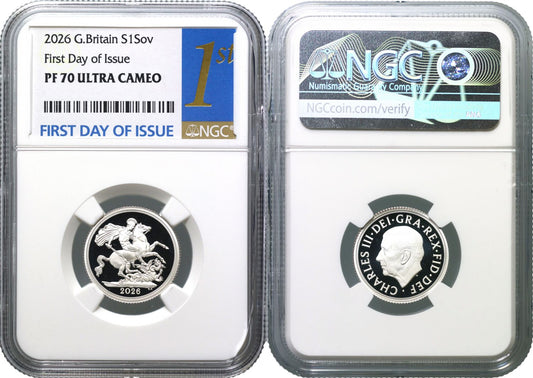
Charles III 2026 silver PF70 UCAM FDI Sovereign
Regular price £125Regular priceUnit price per