 Search


FAQs
What makes a coin valuable?


I have coins to sell, what’s the next step?
How will my purchases be shipped?
What happens if I’m not entirely happy with my purchase?
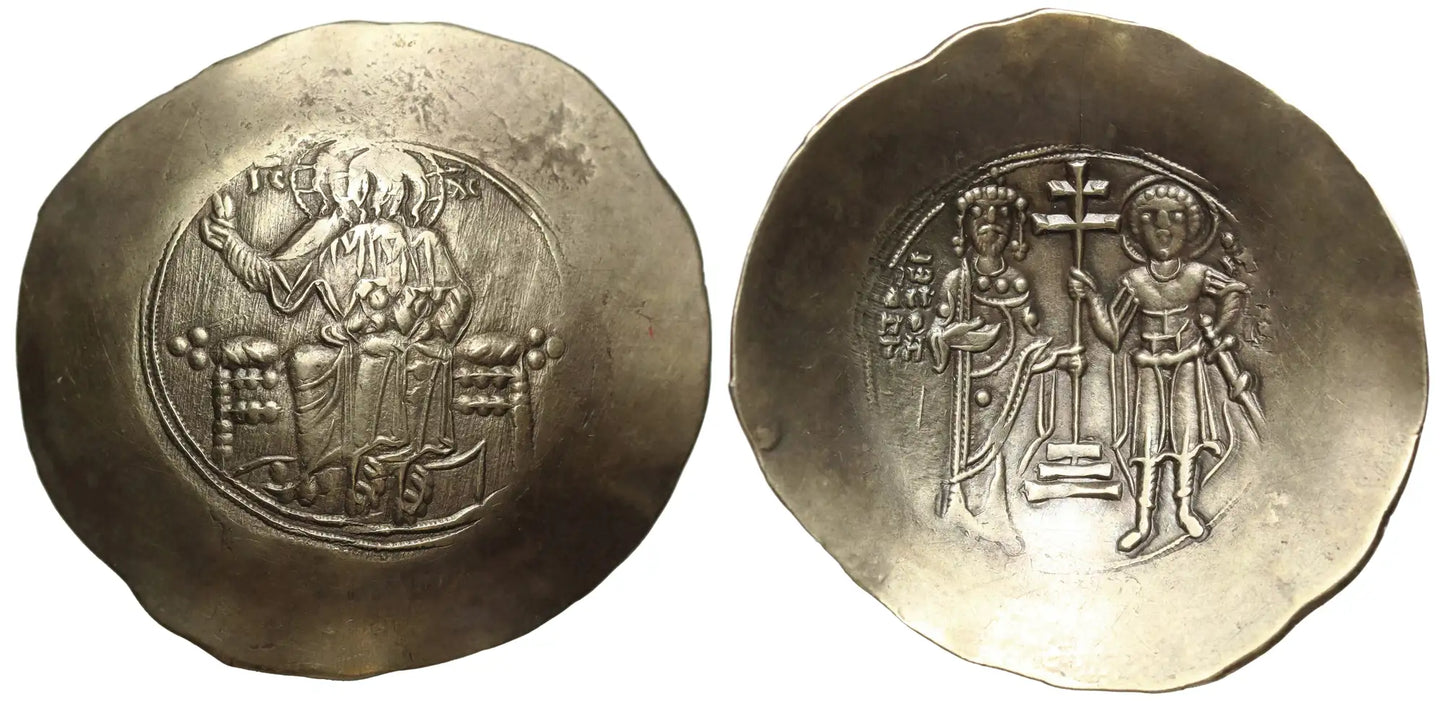
John II Comnenus Aspron Trachy with St George, patriarchal cross on three steps
John II, Comnenus (1118-1143), electrum Aspron Trachy, Constantinople, 1122-1143, Christ enthroned facing wearing nimbus, rev., IⲰ / ΔEC / ΠO / TH - ʘ / ƎꞀ / ꟼⲰ / IꞀ, John II and Saint George standing facing, holding between them patriarchal cross on three steps, 4.28g, 5h (Sear 1942; DO 8d). About extremely fine.
Provenance:
Kölner Münzkabinett 113 (2020), 477
Dr. Busso Peus Nachf, 420 (2017), 1169
The image of a devout hero, often on horseback, defeating a monster may have its origins in myths many thousands of years older than St George. Consider Garuda, the mount of Vishnu, and Nagas; Bellerophon, Pegasus and the Chimera; Apollo and Python; and Pistrucci's interpretation of it is an image which is immediately familiar to numismatists today. The present coin is one of the very few depictions of St George in numismatics away from the extensive and for the most part very common British series. At the time of striking, St George was probably not yet associated with slaying a dragon - that tradition would develop later - and certainly is not depicted doing so here. Nevertheless, he had been venerated as a pious warrior, protector-saint for many centuries and it's said that an apparition of St George amongst the ranks at the Battle of Antioch (1098) and the following year at Jerusalem, was instrumental in victory for the armies of the First Crusade. An experienced, fighting soldier and highly skilled military tactician, John II Comnenus would, during his reign, lead the combined forces of Byzantium and the Crusader States campaigning in Syria. His association with St George on his coinage certainly tells us of the saint's importance in the religious and political culture of John II's era. It also likely illustrates the qualities John himself aspired to and, by most accounts, emulated in his own life.
FAQs
What makes a coin valuable?
I have coins to sell, what’s the next step?
How will my purchases be shipped?
What happens if I’m not entirely happy with my purchase?
Popular Coins
View all-
Elizabeth II 2022 silver proof 2oz City Views London
Regular price £220Regular priceUnit price per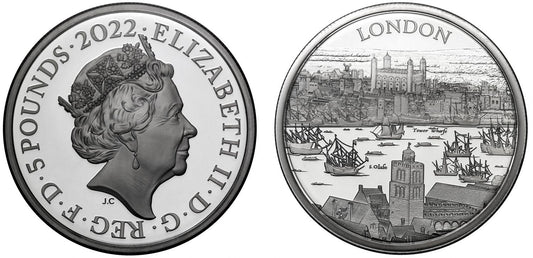
-
Charles III 2024 gold proof 1/4oz Britannia
Regular price £950Regular priceUnit price per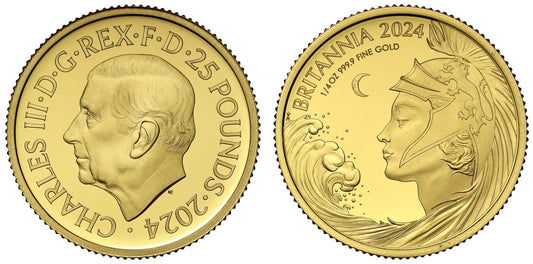
-
Charles III 2025 silver proof 2oz Waterloo Victory
Regular price £260Regular priceUnit price per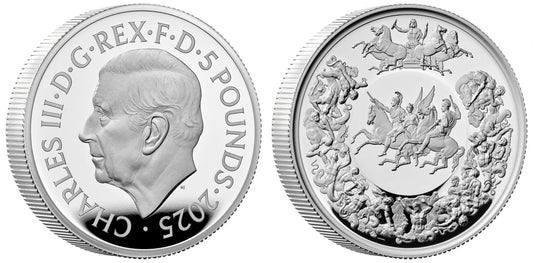
-
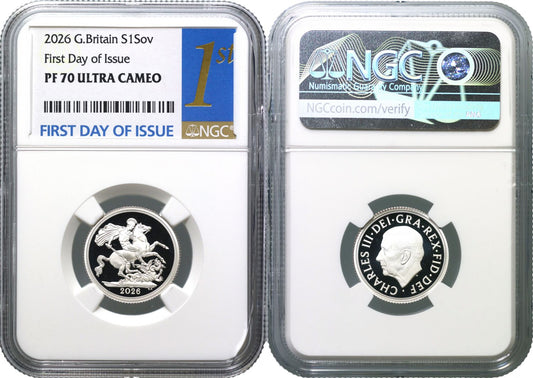
Charles III 2026 silver PF70 UCAM FDI Sovereign
Regular price £125Regular priceUnit price per