 Search


FAQs
What makes a coin valuable?


I have coins to sell, what’s the next step?
How will my purchases be shipped?
What happens if I’m not entirely happy with my purchase?
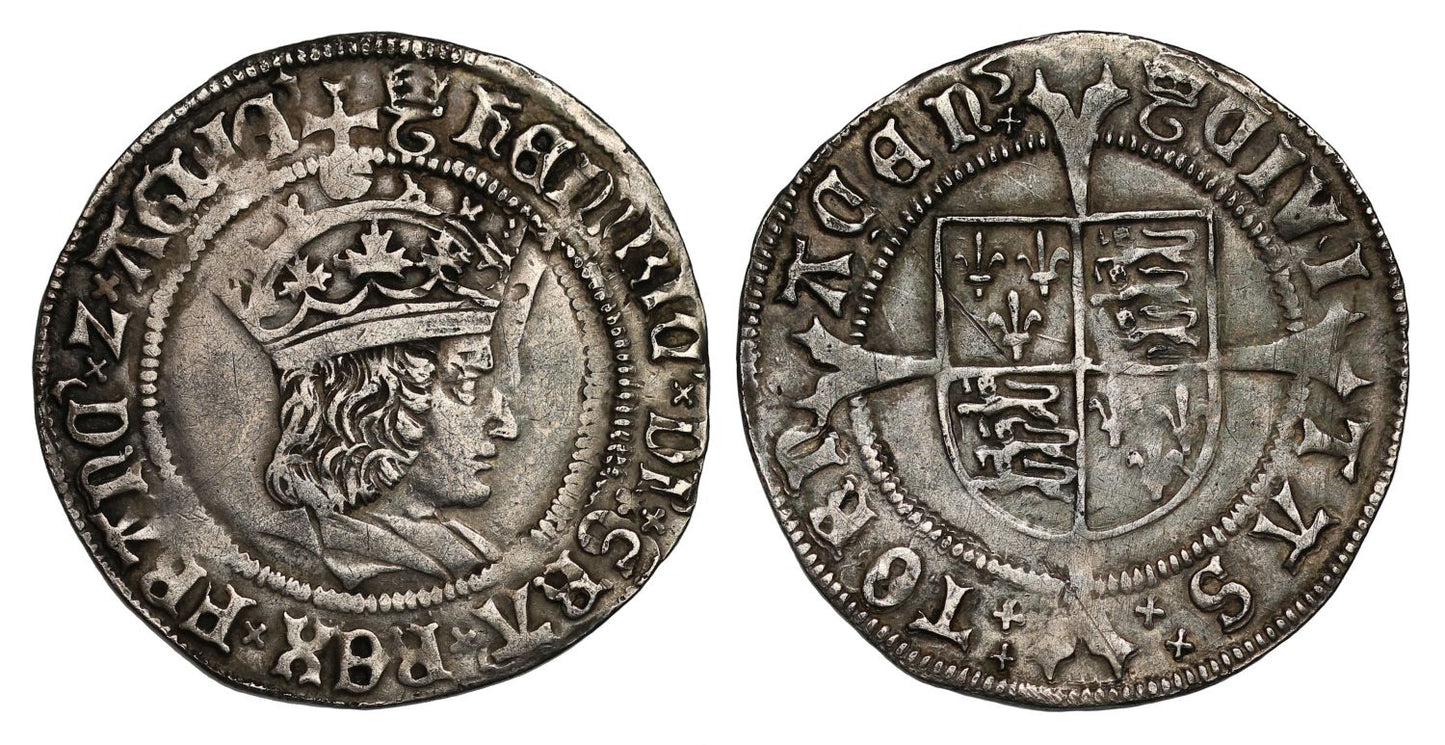
Henry VIII Groat, struck in Tournai in 1514, very rare mint, mm crowned t
Henry VIII (1509-47), silver Groat, first coinage (1509-26), profile issue, Tournai Mint, crowned bust right, cross at top breaks inner beaded circle, Latin legend and beaded border surrounding, initial mark crowned t (1514) both sides, hEnRIC'x DI'x GRA'x REX'x FRAnCx Zx AGLIE'x, the G of GRA giving an impression of an S, rev. long cross fourchee over quartered shield of arms, Latin legend and beaded borders surrounding, CIVI TASxx xxTORn ACEn'x, weight 2.97g (Laker type B; Hewlett 2; Hocking 214; Vanhoudt Atlas G.419; Stewartby page 437; N.-; S.2316). Lightly toned, some double striking in part of legend giving the SRA for GRA impression, with a bold portrait, good very fine for this very rare issue.
The Latin legends translate as on the obverse "Henry VIII by the Grace of God, King of France and England " and on the reverse "The town of Tournai".
Tournai part of modern day Belgium is located 50 miles to the south west of Brussels on the Scheldt River. The town was captured in September of 1513 by the English King Henry VIII as part of his military campaigns in France. This capture marked the end of his campaigning in this area and to celebrate this finality an issue of English style Groats were issued from die especially prepared with a Tournai crowned t mint mark cut by the goldsmith and later Chief Engraver Henry Basse in the first coinage. Interestingly the legend on these coins reads Henry as king of France and England rather than King of England and France as he is fashioned on his English coinage. The town name is clearly mentioned as Tornacen on the reverse, and the original commission for the coinage dated 7th March 1513/4 survives and details that 2,381 pounds weight of silver was used to make an issue of both Groats and Half-Groats. The coinage was produced in a matter of three to four weeks only and the town remained English held until Autumn 1518 whereupon it was handed back to French rule in the "Treaty of London" a peaceful pact that was signed by Cardinal Wolsey amongst others. There was also a concurrent issue of silver French Gros a l'Ecu coins which would be more familiar in the local economy in the name of Henry VIII and actually dated 1513 which are the earliest dated coins with the name of an English ruler.
These silver French style issues and the Tournai Half-Groats are of the highest rarity today with scant few surviving examples. The Groat is the most accessible coin for a collector of this interesting period of overseas coin issue in the Tudor period.
Such interesting coins as the Tournai issues do not appear in the J. J. North reference book on English hammered coins, being an issue separate from the English mainland for use in that part of the world.
Provenance:
Ex Lockdales, Ipswich, 16th May 2010, lot 367.
Ex North York Moors Collection, Dix Noonan and Webb, Auction 168, 29th January 2020, lot 937.
Ex Chislehurst Collection, Dix Noonan and Webb, Auction 179, 9th September 2020, lot 35.
FAQs
What makes a coin valuable?
I have coins to sell, what’s the next step?
How will my purchases be shipped?
What happens if I’m not entirely happy with my purchase?
Popular Coins
View all-
Elizabeth II 2022 silver proof 2oz City Views London
Regular price £220Regular priceUnit price per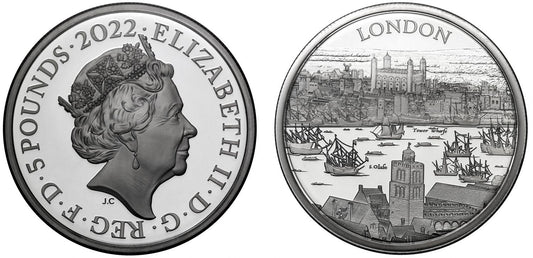
-
Charles III 2024 gold PF70 UC 1/4oz Britannia
Regular price £1,020Regular priceUnit price per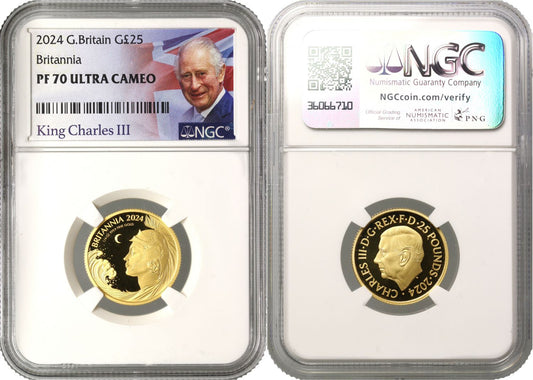
-
Charles III 2024 gold proof 1/4oz Britannia
Regular price £950Regular priceUnit price per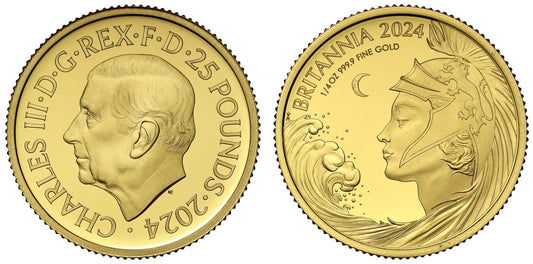
-
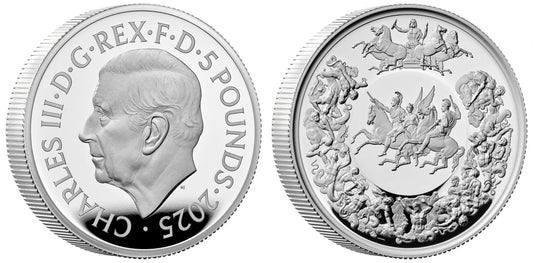
Charles III 2025 silver proof 2oz Waterloo Victory
Regular price £260Regular priceUnit price per