 Search


FAQs
What makes a coin valuable?


I have coins to sell, what’s the next step?
How will my purchases be shipped?
What happens if I’m not entirely happy with my purchase?
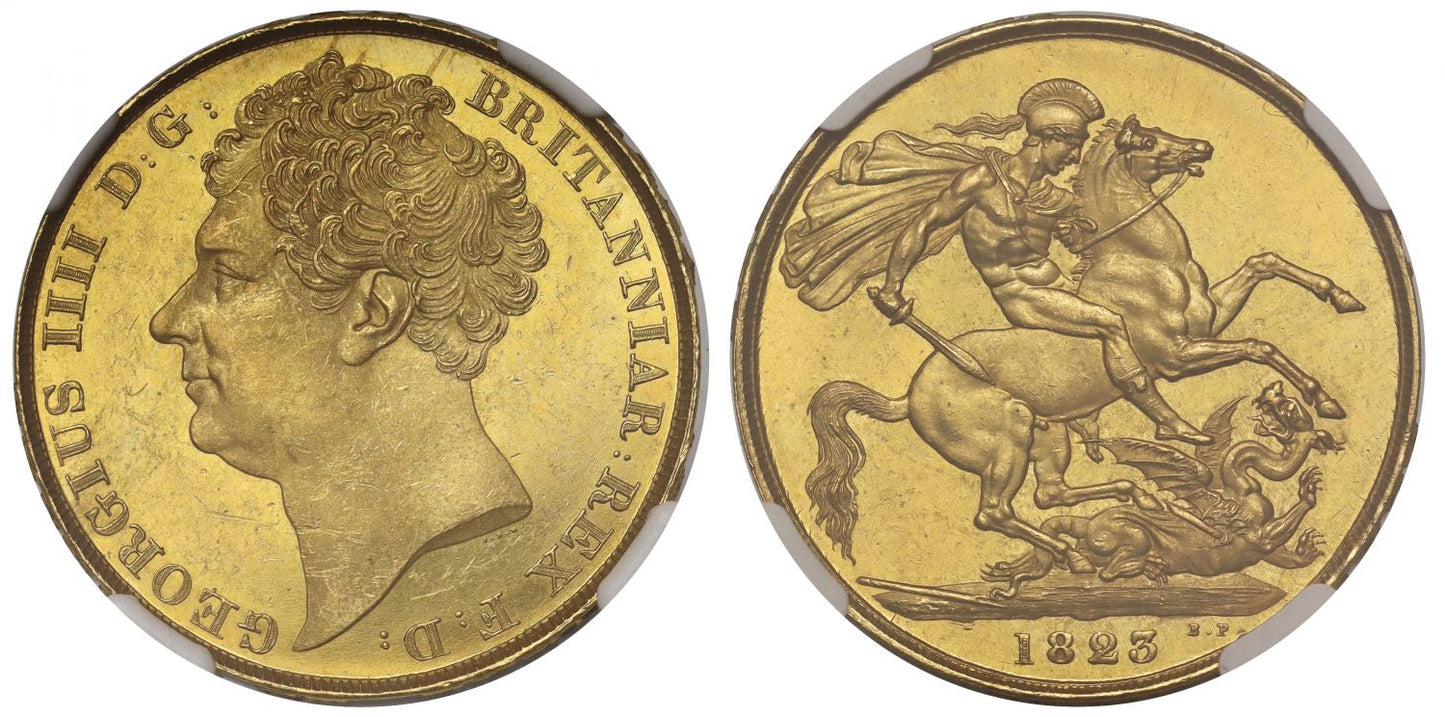
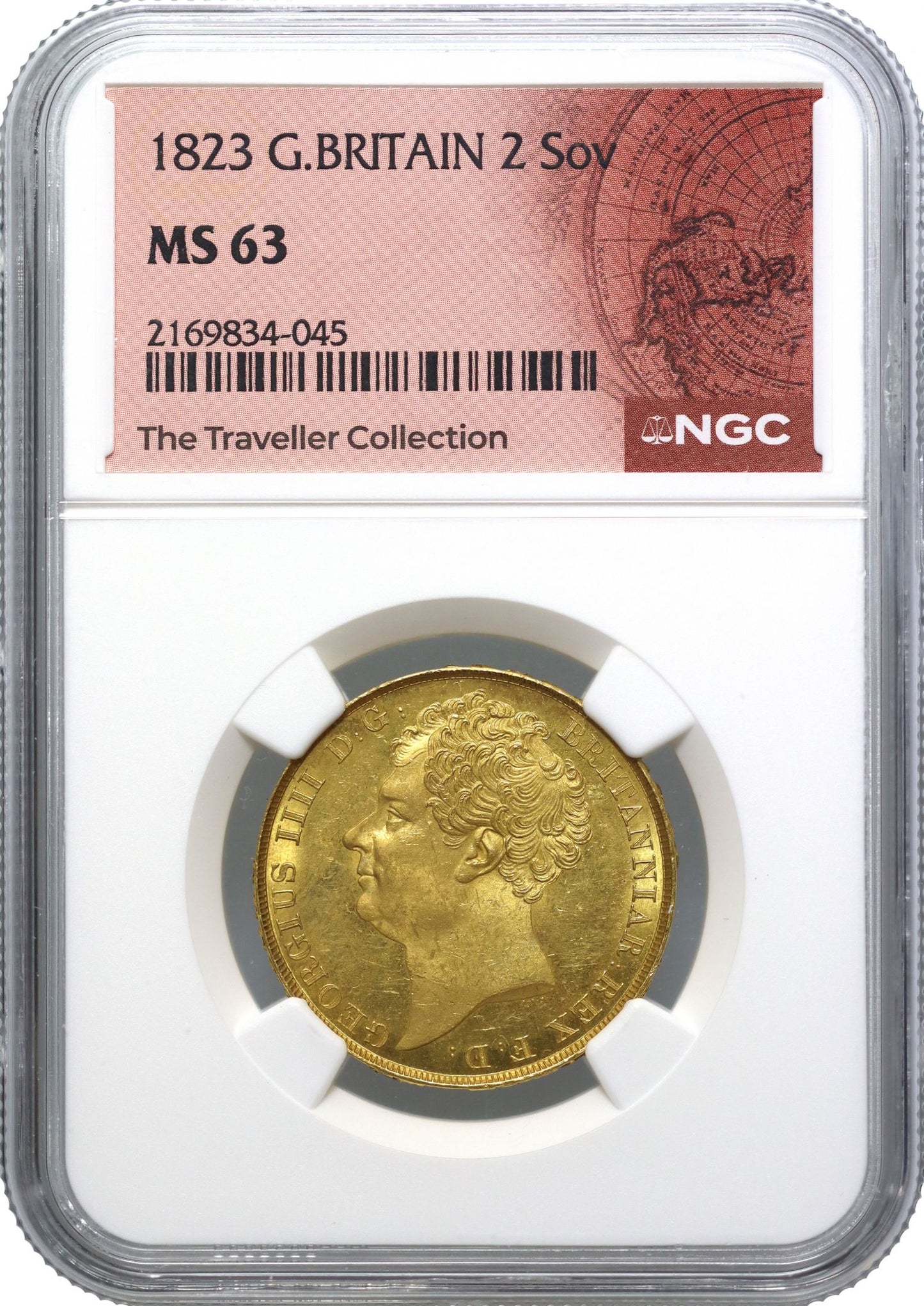
George IV 1823 Two-Pounds, MS63, ex Traveller
George IV (1820-30), gold Two Pounds, 1823, bare head left, J.B.M. below truncation for engraver Jean Baptiste Merlen, abbreviated Latin legend and toothed border surrounding, GEORGIUS IIII D:G: BRITANNIAR: REX F:D:, rev. St. George and dragon right, W.W.P. below broken lance on ground line for then Mint Master William Wellesley Pole, date in exergue, initials B.P. to upper right of exergue for engraver Benedetto Pistrucci, edge engraved in raised letters, DECUS ET TUTAMEN. ANNO REGNI IV. (Schneider 635; Hill T6; Bull EGC 945; MCE 470; Traveller 2147 this coin; S.3798). Toned with some darker streaks on obverse, with proof-like underlying brilliance, a few light hairlines, has been graded and slabbed by NGC as MS63 with special provenance label.
NGC Certification 2169834-045.
A mintage figure is not officially known for the gold double sovereign of 1823, but a rough indication can be perhaps be gleaned from looking closer at the gold output figure for 1823 which totals £759,749 of gold. If we then deduct the Sovereign figure produced of 616,770 as that is £616,770 worth, and then the Half-Sovereign mintage of 224,280 which equates to £112,140 worth, then we are left with £30,839 of gold output. Though this does not equate equally to gold Two Pound coins it may well indicate a maximum number of 15,419 pieces, though what was struck in a calendar year may not necessarily equate to a date on the coin.
The Latin legends translate as "George the Fourth by the Grace of God, King of all the Britons, Defender of the Faith" and on the edge as "An ornament and a safeguard, in the fourth year of the reign". The various initials that feature on the coin are for the engravers and Master of the Mint as shown above. William Wellesley Pole was the elder brother of the Duke of Wellington.
Provenance Story:
This coin has a most intriguing provenance being hidden away in a European family collection since before World War II. The "Traveller" was a wealthy gentleman who having inherited a portion of a successful family company, made a fortune by promptly selling it and then travelled the world on what was in part an extended honeymoon for the decade between the Wall Street Crash of 1929 and the outbreak of World War II. With the financial instability of the great depression and after dabbling at first with gold bullion, he decided to form an enormous collection of world gold coins from ancient to modern whilst travelling the world to see the relevant dealers in their geographical locations to find the most appropriate coins. The result was a collection of some 15,000 coins, 1,700 of which we are told are British, with all going into secure hiding as of 1940 when the nazi regime encroached on where our traveller was located. Sadly, the collector died of a stroke with the stress of the world situation at this time and the collection remained hidden away for decades, stored carefully in individual envelopes in cigar boxes within locked aluminium strongboxes, that were buried in the ground in a field at the collector's property. His wife carried the secret of the burial location for the decades following and reaching the end of her life some 50 years later divulged the secret to her only daughter, whereupon in the 1990s the family retrieved all the coins intact and secured them safely in a bank vault until it was time to sell by auction in 2025. Though we often hear of buried treasure or hoards of coins from antiquity in the ground, it is not often we hear of a sophisticated coin collection actually being buried for decades, an intriguing story to permanently associate with coins of the Traveller provenance which has been written about in newspapers and online worldwide. We are lucky enough to have secured a small number of rare British coins from this esteemed collection.
Provenance:
Ex The Traveller Collection, with original envelope that reveals a date of recording in the ledger as a purchase of 18th November 1930.
FAQs
What makes a coin valuable?
I have coins to sell, what’s the next step?
How will my purchases be shipped?
What happens if I’m not entirely happy with my purchase?
Popular Coins
View all-
Elizabeth II 2022 silver proof 2oz City Views London
Regular price £220Regular priceUnit price per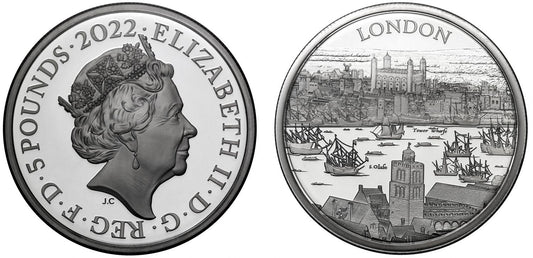
-
Tudor Beasts Completer 2027 1oz silver proof Charles III
Regular price £185Regular priceUnit price per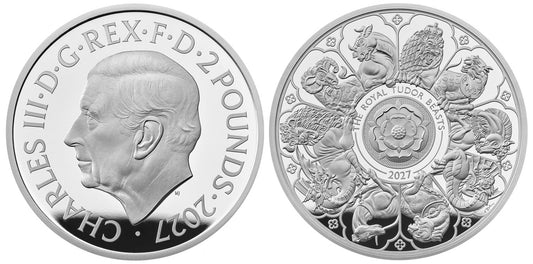
-
Charles III 2024 gold PF70 UC 1/4oz Britannia
Regular price £1,020Regular priceUnit price per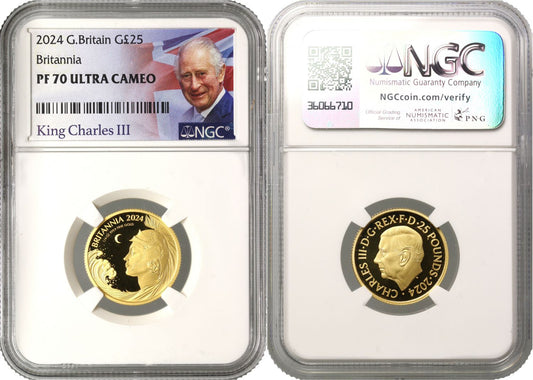
-
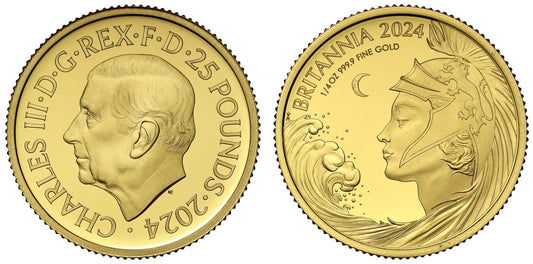
Charles III 2024 gold proof 1/4oz Britannia
Regular price £950Regular priceUnit price per