 Search



FAQs
What makes a coin valuable?


I have coins to sell, what’s the next step?
How will my purchases be shipped?
What happens if I’m not entirely happy with my purchase?
George IV 1820 Pattern Sixpence, of highest rarity, pre-dates currency Sixpence
George IV (1820-30), Pattern silver Sixpence, 1820, first laureate head left, B.P. for engraver Benedetto Pistrucci below neck, legend and toothed border surrounding, GEORGIUS IIII D: G: BRITANNIAR: REX F:D: rev. inverted die axis, first crowned quartered shield of arms, with an escutcheon of the Arms of Hanover at centre, emblems surrounding, ANNO 1820 below, tiny initials J B M in the border teeth near the thistle for engraver J B Merlen, tiny W W P at centre of successive shamrock leaves for Mint Master William Wellesley Pole, edge milled, weight 2.78g (Bull 2420 R6; Davies 250; ESC 1653 R6; S.3813). Attractively toned, one slight rim nick on reverse, otherwise practically as struck, extremely rare, only a very few known to exist.
The Latin legends translates on obverse as "George IV by the Grace of God, King of the Britains, Defender of the Faith," and on reverse as "in the year 1820."
The WWP initials were no doubt embedded in the centres of the shamrock leaves as a tribute to the Master of the Mint William Wellesley Pole, elder brother of the Duke of Wellington who was born at Dangan Castle in County Meath in Ireland, as mark of his family heritage, rather than such initials being placed in the border teeth as those of the engraver Jean Baptiste Merlen.
This is the pre-currency production pattern struck along with a pattern Shilling of a similar format, today of extreme rarity.
FAQs
What makes a coin valuable?
I have coins to sell, what’s the next step?
How will my purchases be shipped?
What happens if I’m not entirely happy with my purchase?
Popular Coins
View all-
Elizabeth II 2022 silver proof 2oz City Views London
Regular price £220Regular priceUnit price per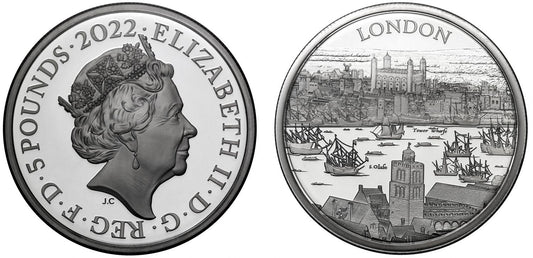
-
Charles III 2024 gold proof 1/4oz Britannia
Regular price £950Regular priceUnit price per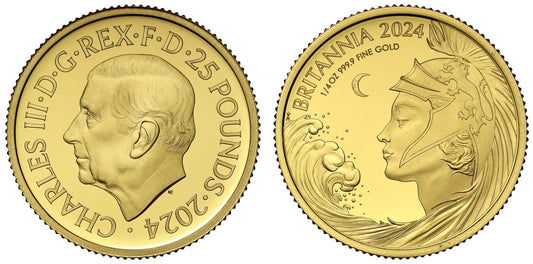
-
Charles III 2025 silver proof 2oz Waterloo Victory
Regular price £260Regular priceUnit price per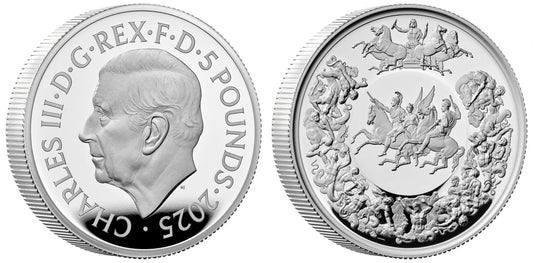
-
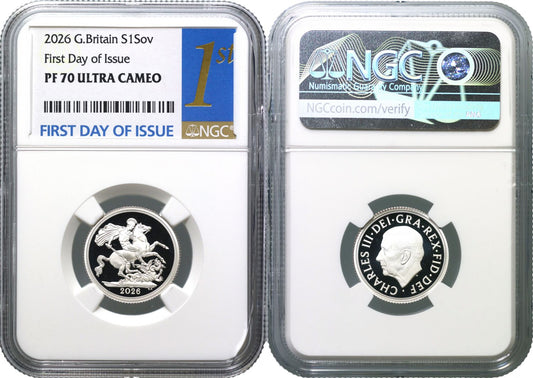
Charles III 2026 silver PF70 UCAM FDI Sovereign
Regular price £125Regular priceUnit price per