 Search


FAQs
What makes a coin valuable?


I have coins to sell, what’s the next step?
How will my purchases be shipped?
What happens if I’m not entirely happy with my purchase?
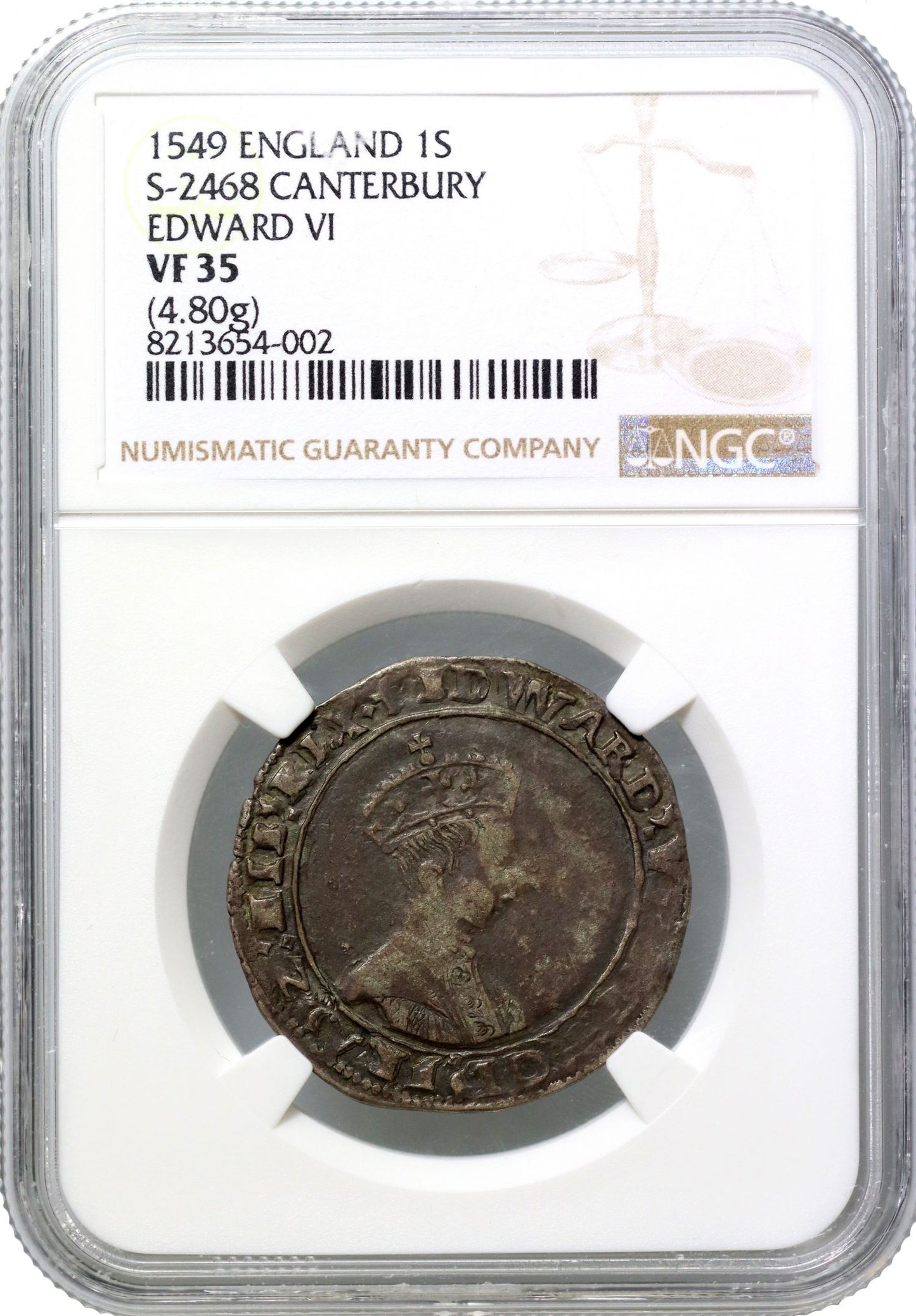
Edward VI 1549 Shilling, Canterbury, mm T, VF35, Roman numerals date, ex Burstal
Edward VI (1547-53), silver Shilling, 1549 in Roman numerals, first issue, Canterbury Mint, crowned bust 3 right, within inner beaded circle with legend surrounding, initial mark t both sides, lozenge stops with Roman lettering, EDVVARD'. VI'. D'. G'. AGL'. FRA'. Z: HIB'. REX. rev. ornately framed shield of arms, E to left, R to right, beaded circle and legend surrounding, TIMOR: DOMINI: FONS: VITE: M: D: XLIX, weight 4.80g (N.1921; S.2468). Toned, softly struck with some wear, weak in parts of legend, has been slabbed and graded by NGC as VF35.
NGC Certification 8213654-002.
The Latin legends translate as "Edward the Sixth by the grace of God, King of England, France and Ireland" on the obverse and on the reverse as "The fear of the Lord is a fountain of life" a psalm from the Bible.
The Canterbury mint mark of "t" represents the initial of the London goldsmith William Tillesworth (died 1557) who was involved in producing this coinage at Canterbury and also at Bristol. His name appears in the official documentation relating to the debasement of the currency in this reign where he is tasked with striking these dated shillings. 1549 is one of the earliest dates on an English currency coin albeit in Roman numerals.
Provenance:
Ex Dr Edward Burstal Collection but does not appear in his public auction sales.
Ex Morton and Eden, auction 113, 25th November 2021, lot 490.
Dr Edward Burstal (1879-1967) was a medical practitioner in Bournemouth and was a founder member of the Wessex Numismatic Society where he was President. He joined the British Numismatic Society in 1942 and served on council for 1952-55 and 1957-60 and served as a Vice-President from 1961-64. He tried to reform the English hammered coin collection his Father E K Burstal had sold at Sotheby in 1912. The Doctor sold his own coins in portions, first milled silver to Seaby in 1957, others privately to Spink, but the main collection was sold at Glendining in 1968 after his death with a follow up sale in 1984.
FAQs
What makes a coin valuable?
I have coins to sell, what’s the next step?
How will my purchases be shipped?
What happens if I’m not entirely happy with my purchase?

Popular Coins
View all-
Elizabeth II 2022 silver proof 2oz City Views London
Regular price £220Regular priceUnit price per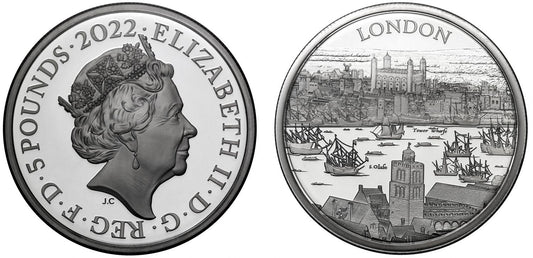
-
Charles III 2024 gold PF70 UC 1/4oz Britannia
Regular price £1,020Regular priceUnit price per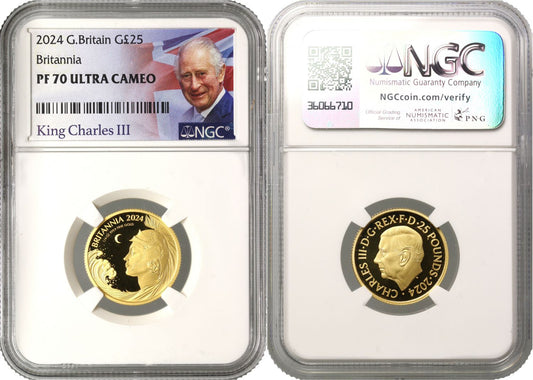
-
Charles III 2024 gold proof 1/4oz Britannia
Regular price £950Regular priceUnit price per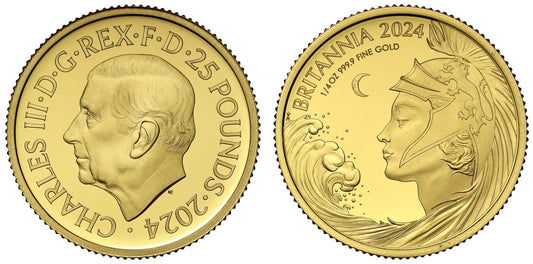
-
Charles III 2025 silver proof 2oz Waterloo Victory
Regular price £260Regular priceUnit price per