 Search


FAQs
What makes a coin valuable?


I have coins to sell, what’s the next step?
How will my purchases be shipped?
What happens if I’m not entirely happy with my purchase?
Cilicia, Tarsus, Satrap Mazaios, 361-334 BC, silver Stater
Cilicia, Tarsus, Satrap Mazaios (361-334 BC), silver Stater, Baaltars enthroned left, his torso facing, holding eagle-tipped sceptre in extended right hand; to left, grain ear and grape bunch B'LTRZ (in Aramaic) to right, rev. MZDI ZI'L'BRNH RAWHLK, Lion left, attacking bull right above crenellated walls, 10.57g, 8h (Casabonne Series 4, Group A; SNG BN 360; SNG Levante 113). About extremely fine with a weaker obverse die.
This silver stater was minted at Tarsus, in the ancient region of Cilicia, during the rule of Mazaios, a Persian satrap who governed the area under the Achaemenid Empire. Dating to 361-334 BC, the coin belongs to a period of political tension and transformation in the eastern Mediterranean, culminating in the campaigns of Alexander the Great and the collapse of Persian rule in the region.
The obverse depicts Baaltars, a local form of the great god Baal, seated on a throne facing left, with his torso turned towards the viewer. He holds an eagle-tipped sceptre in his extended right hand, while a grain ear and grape bunch appear beside him, symbolising agricultural fertility and prosperity. The Aramaic inscription B'LTRZ identifies the deity.
The reverse features a lion attacking a bull above crenelated city walls, accompanied by an Aramaic inscription naming Mazaios and referring to his authority. The dramatic animal scene conveys power and strength, while the fortified walls may allude to the importance of urban defence. Combining Persian imperial influence with local religious imagery, this coin illustrates the cultural diversity and political significance of Cilicia in the fourth century BC.
FAQs
What makes a coin valuable?
I have coins to sell, what’s the next step?
How will my purchases be shipped?
What happens if I’m not entirely happy with my purchase?

Popular Coins
View all-
Elizabeth II 2022 silver proof 2oz City Views London
Regular price £220Regular priceUnit price per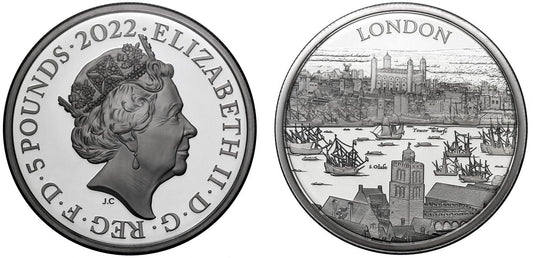
-
Charles III 2024 gold proof 1/4oz Britannia
Regular price £950Regular priceUnit price per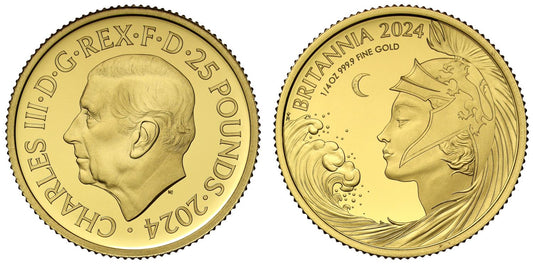
-
Charles III 2026 silver PF70 UCAM FDI Sovereign
Regular price £125Regular priceUnit price per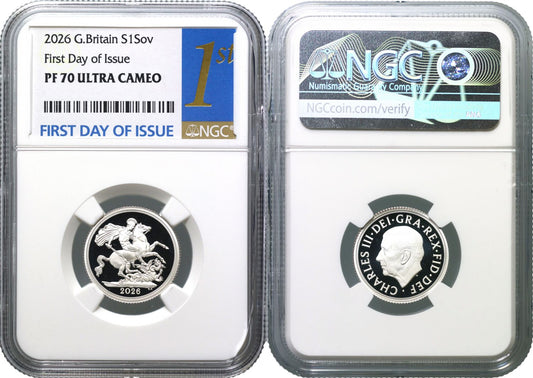
-
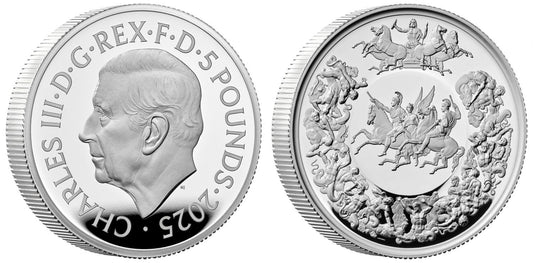
Charles III 2025 silver proof 2oz Waterloo Victory
Regular price £260Regular priceUnit price per