 Search



FAQs
What makes a coin valuable?


I have coins to sell, what’s the next step?
How will my purchases be shipped?
What happens if I’m not entirely happy with my purchase?
Charles II 1666 Shilling Guinea head
Charles II (1660-85), silver Shilling, 1666, elephant below "guinea" type laureate head right, legend and toothed border surrounding, CAROLVS . II. DEI. GRATIA, rev. crowned cruciform shields, interlinked pairs of Cs in angles, garter star at centre, date either side of top crown, .MAG. BR.FRA. ET.HIB. REX. weight 5.85g (Bull 509 R4; ESC 1027; S.3374). Toned with some blemishes, good fine, reverse stronger and very rare.
The Latin legends translate as on the obverse "Charles the Second, by the grace of God" and on the reverse, "King of Great Britain, France and Ireland"
The elephant is the badge of the "Royal Company of Adventurers" founded by the Duke of York in 1662.
The issues of such provenance marked coins happened according to the boom or bust of the company and related to the import and export of metal or coin as at that time there was restrictions on British coin physically leaving our shores. By importing gold and other alloys the company was winning the right to be able to export just as much coinage as economic wealth it was bringing in, hence the issue of coin so marked. In the run up to the 1666 issue of elephant silver coinage, gold Guineas had been struck in 1663, 1664 and 1665 and Two Guinea pieces dated 1664. There would have been a by-product of smelting the gold for these coinages which would have been silver alloy, which once accumulated in enough quantity, perhaps by 1666 allowing for the coinage of Crowns, Halfcrowns and Shillings. It is known that the Royal Company of Adventurers was generally importing gold from Guinea in Africa, but not particularly silver. Though research is ongoing into the activities of this Company it would seem to make sense that the coinage of 1666 was a result of all the alloy of the gold mintings of the three years before. Interestingly the head used for the gold Guinea coin was used to mint this run of shillings and is consequently the rarest elephant silver coin of 1666 and does not come much better preserved than the example we have offered here. The usual variety of bust for the shilling also exists for this date, and is more often encountered and at least three of those exist in top grade. There was no elephant gold coinage for the date 1666, the year of the Great Fire of London, making this one year only type of the Shilling especially desirable.
FAQs
What makes a coin valuable?
I have coins to sell, what’s the next step?
How will my purchases be shipped?
What happens if I’m not entirely happy with my purchase?
Popular Coins
View all-
Elizabeth II 2022 silver proof 2oz City Views London
Regular price £220Regular priceUnit price per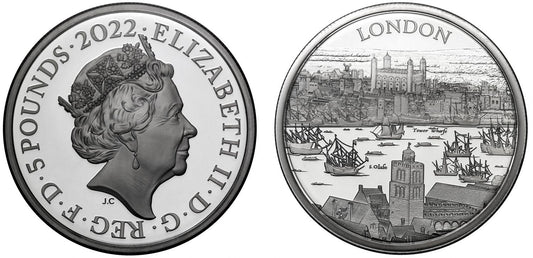
-
Charles III 2024 gold PF70 UC 1/4oz Britannia
Regular price £1,020Regular priceUnit price per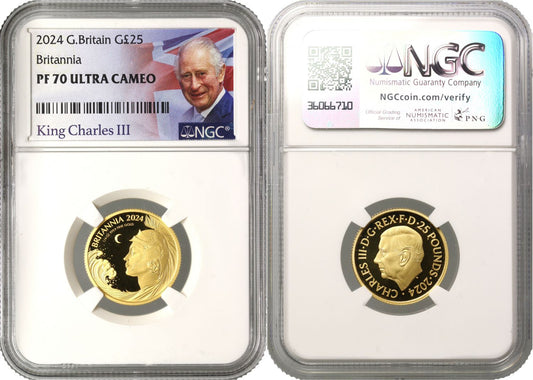
-
Charles III 2024 gold proof 1/4oz Britannia
Regular price £950Regular priceUnit price per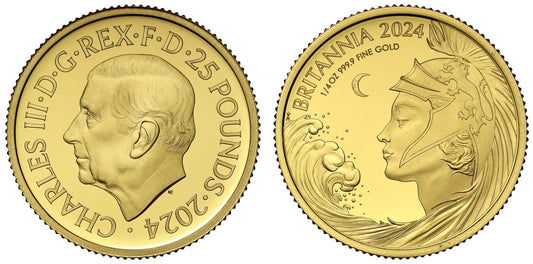
-
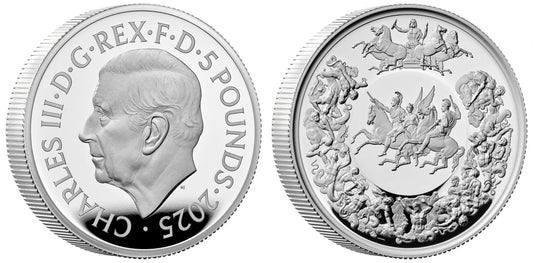
Charles III 2025 silver proof 2oz Waterloo Victory
Regular price £260Regular priceUnit price per