 Search


FAQs
What makes a coin valuable?


I have coins to sell, what’s the next step?
How will my purchases be shipped?
What happens if I’m not entirely happy with my purchase?
Carthage, Libyan Revolt, BI Shekel, Provenance back to 1961
Carthage, Libyan Revolt, circa 241-238 BC, Billon Shekel, head of Herakles left, wearing lion skin, rev. lion standing right, Punic M above, 7.61g, 11h (Carradice & La Niece 1; CNP 433b; MAA 53). Toned, indications of undertype, about extremely fine.
Ex H.M.F. Schulman (23 June 1961), lot 1299.
This billon shekel was struck at Carthage during the Libyan Revolt, a major uprising that threatened the survival of the Carthaginian state in the aftermath of the First Punic War. The obverse depicts the head of Herakles facing left, wearing the skin of the Nemean lion. Herakles, the Greek equivalent of the Phoenician god Melqart, held an important place in Carthaginian religious tradition. His image on coinage reflected the city's cultural connections with the wider Mediterranean world and its longstanding religious heritage.
The First Punic War against Rome ended in 241 BC with Carthage's defeat and the loss of Sicily. The financial consequences were severe, and Carthage struggled to meet the demands of paying its returning mercenaries. Disputes over unpaid wages and conditions led to a widespread revolt involving Libyan subjects and former soldiers from several regions. Beginning in 241 BC, the conflict developed into a prolonged and brutal struggle that threatened Carthage's control of its North African territories.
The reverse depicts a lion standing to the right, accompanied by the Punic letter M above. The lion was a powerful symbol in Carthaginian art and coinage, representing strength, courage and military power. The Punic letter is generally interpreted as a mint or control mark, although its precise significance depends on the coin's classification.
The use of billon, an alloy containing silver and base metals, reflects the financial pressures of this turbulent period. Coinage was essential for paying troops and sustaining military operations, making these issues important evidence of Carthage's economic circumstances during the revolt.
The Libyan Revolt was eventually suppressed by Carthaginian forces under Hamilcar Barca around 238 BC. This coin therefore belongs to a dramatic chapter in Carthaginian history, when the state faced internal rebellion shortly after its defeat by Rome, before embarking on a renewed period of expansion in Iberia under the Barcid family.
FAQs
What makes a coin valuable?
I have coins to sell, what’s the next step?
How will my purchases be shipped?
What happens if I’m not entirely happy with my purchase?

Popular Coins
View all-
Elizabeth II 2022 silver proof 2oz City Views London
Regular price £220Regular priceUnit price per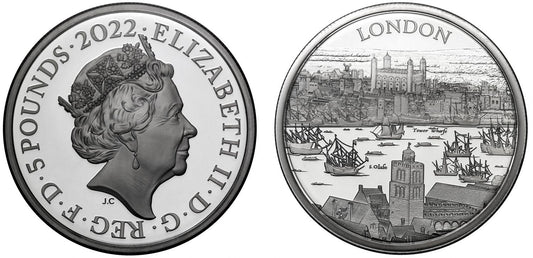
-
Charles III 2024 gold PF70 UC 1/4oz Britannia
Regular price £1,020Regular priceUnit price per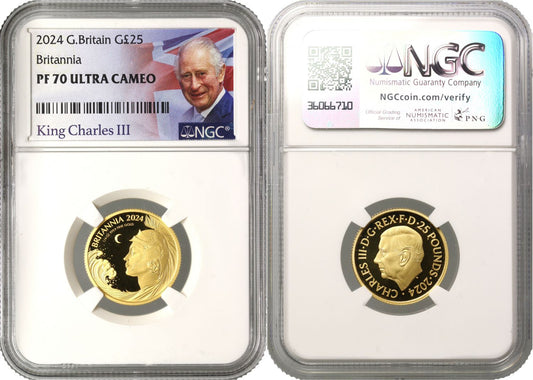
-
Charles III 2024 gold proof 1/4oz Britannia
Regular price £950Regular priceUnit price per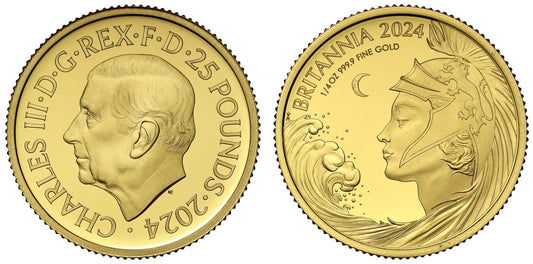
-
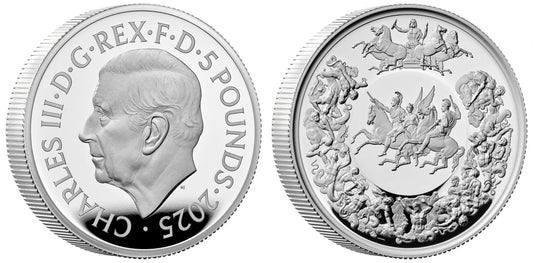
Charles III 2025 silver proof 2oz Waterloo Victory
Regular price £260Regular priceUnit price per