 Search


FAQs
What makes a coin valuable?


I have coins to sell, what’s the next step?
How will my purchases be shipped?
What happens if I’m not entirely happy with my purchase?
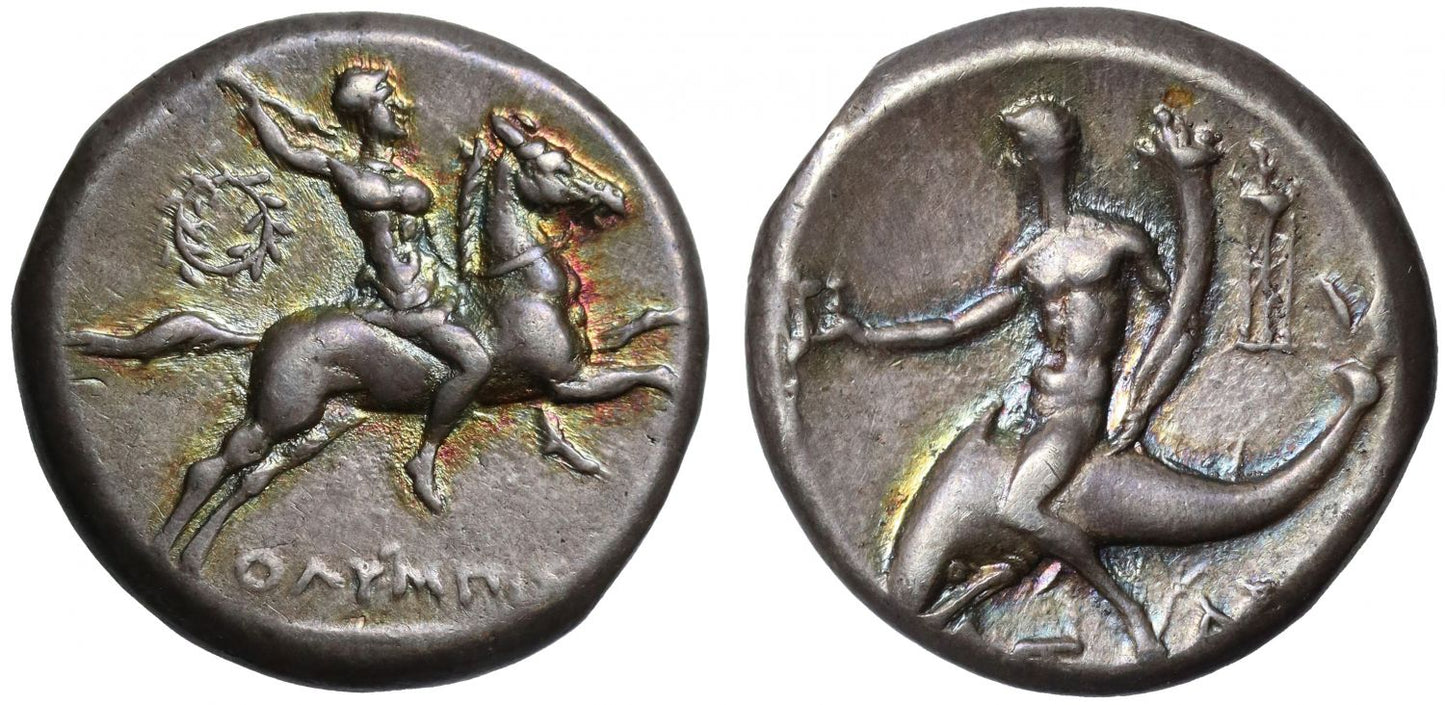
Calabria, Tarentum, Silver Nomos, 240-228 BC, Olympis magistrate
Magna Graecia, Calabria, Tarentum, Silver Nomos, 240-228 BC, Olympis magistrate, warrior on horseback right, brandishing spear and holding reins; wreath behind, OΛYMΠIΣ below, rev. Taras astride dolphin left, holding kantharos and cornucopiae; tripod to right, 6.60g, 4h (Vlasto-942; HN Italy-1055; SNG ANS-1249; SNG Copenhagen-942; HGC 1-901). Nice rainbow toning, about extremely fine.
This silver nomos was minted at Tarentum (Taras) in Magna Graecia, southern Italy, between approximately 240 and 228 BC. Tarentum was one of the most important and wealthy Greek cities in southern Italy. Founded by Spartan colonists in the late eighth century BC, the city developed into a major centre of Greek culture, trade and naval power. Its position on the Gulf of Tarentum gave it access to important Mediterranean trade routes and helped make it prosperous. By the third century BC, however, Tarentum was increasingly caught between the Greek cities of southern Italy and the expanding power of Rome. The city famously supported Pyrrhus of Epirus during his war against Rome between 280 and 275 BC. After Pyrrhus withdrew, Tarentum was eventually defeated and captured by the Romans in 272 BC. Despite losing its political independence, the city continued to produce distinctive Greek-style coinage. The nomos dates from this period of Roman influence. Its imagery reflects Tarentum's strong Greek identity, while the inscription ΟΛΥΜΠΙΣ (Olympis) identifies the magistrate responsible for the coin issue. Magistrates' names on Greek coins demonstrate the civic nature of coin production and provide evidence for the officials involved in governing the city. This coin therefore represents Tarentum's continued Greek traditions during a period when Roman power was becoming dominant in southern Italy.
The obverse legend OΛYMΠIΣ translates to "Olympis" who was the magistrate responsible for the issue of the coin.
FAQs
What makes a coin valuable?
I have coins to sell, what’s the next step?
How will my purchases be shipped?
What happens if I’m not entirely happy with my purchase?
Popular Coins
View all-
Elizabeth II 2022 silver proof 2oz City Views London
Regular price £220Regular priceUnit price per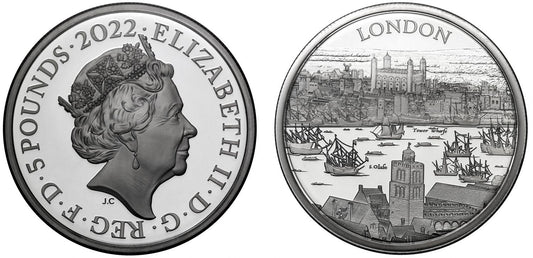
-
Tudor Beasts Completer 1oz silver proof Charles III 2027
Regular price £160Regular priceUnit price per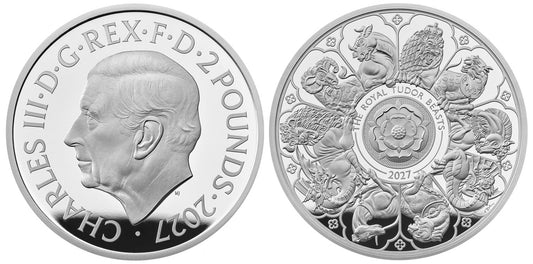
-
Charles III 2024 gold PF70 UC 1/4oz Britannia
Regular price £1,020Regular priceUnit price per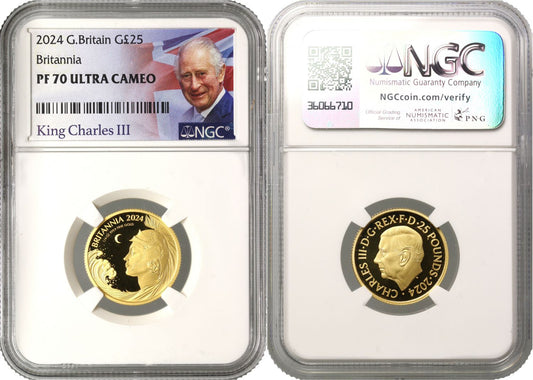
-
Charles III 2024 gold proof 1/4oz Britannia
Regular price £950Regular priceUnit price per