 Search


FAQs
What makes a coin valuable?


I have coins to sell, what’s the next step?
How will my purchases be shipped?
What happens if I’m not entirely happy with my purchase?
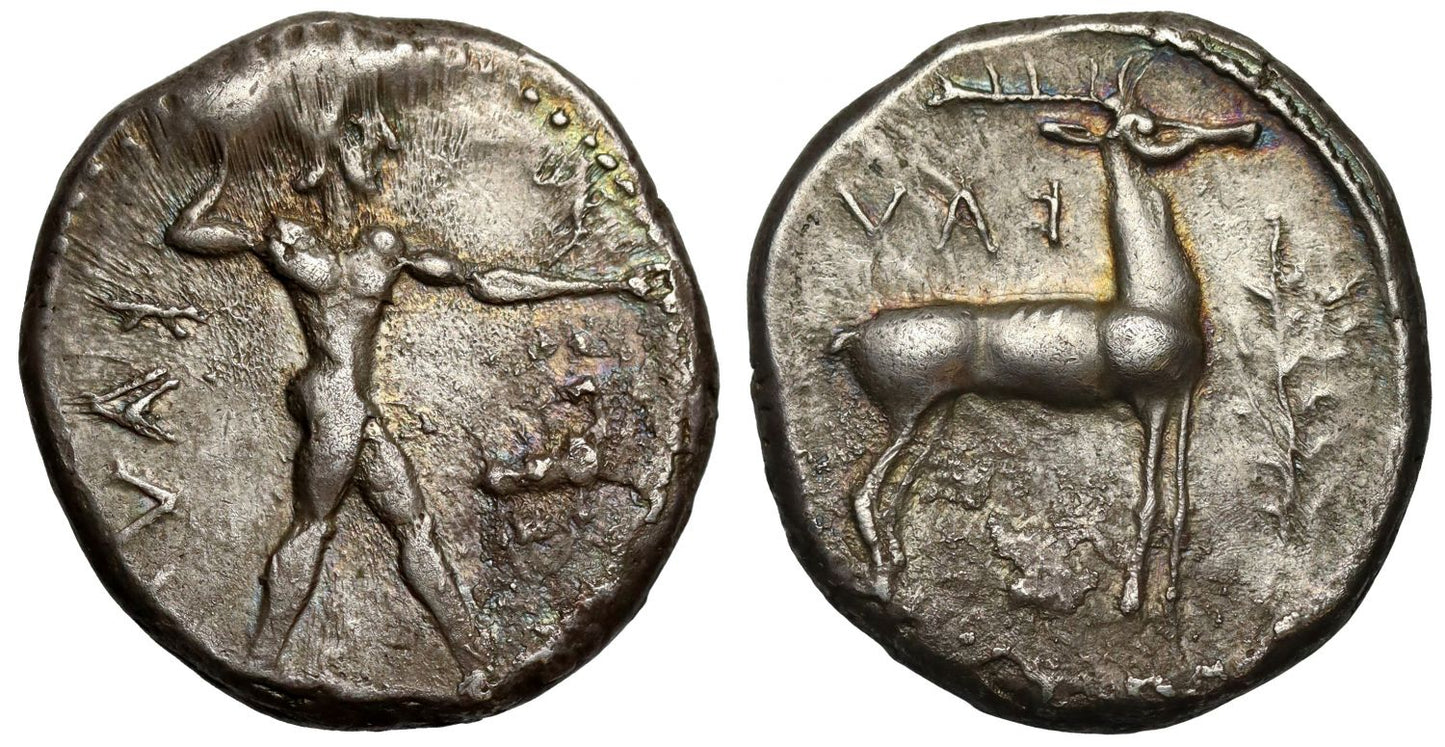
Bruttium, Caulonia 450-445 BC, silver Nomos
Bruttium, Caulonia 450-445 BC, silver Nomos, naked Apollo standing right, holding branch in raised right hand, on extended left arm small running figure. In field right, stag with head turned back, rev. KAVΛ retrograde stag standing right; in field right, two branches, 7.74g, 2h (Noe Caulonia 96. Historia Numorum Italy 2046). Iridescent tone and About Extremely fine.
This silvernomoswas struck atCaulonia, an ancient Greekcity on theeast coast ofsouthern Italy, inthe region laterknown as Bruttium. Caulonia was foundedby Achaean Greeksettlers during theseventh century BCand became partof the Greekworld ofMagna Graecia. Its location onthe coast madeit an importantcentre for tradeand communication insouthern Italy. The coin dates to around450-445 BC, during the Classical period, when Caulonia was producing distinctive silver coinage. The city is particularly famous for its unusual coin designs featuringApollo. On this type, Apollo stands naked holding a branch, with a small winged figure on his outstretched arm, while astagappears beside him. The reverse repeats the stag and branches in a different arrangement. These designs probably had religious significance, particularly relating to Apollo and local cult practices. Caulonia's prosperity eventuallycame to anend. In388 BC, the city wasdestroyed byDionysius I ofSyracuse, and its territorywas given toneighbouring Locri. Thedestruction brought Caulonia's independent coinageto an end, making surviving coinssuch as thisnomos important evidencefor the historyand culture ofthe city.
The reverse and obverse legend KAVΛ translates to "Caulonia".
FAQs
What makes a coin valuable?
I have coins to sell, what’s the next step?
How will my purchases be shipped?
What happens if I’m not entirely happy with my purchase?
Popular Coins
View all-
Elizabeth II 2022 silver proof 2oz City Views London
Regular price £220Regular priceUnit price per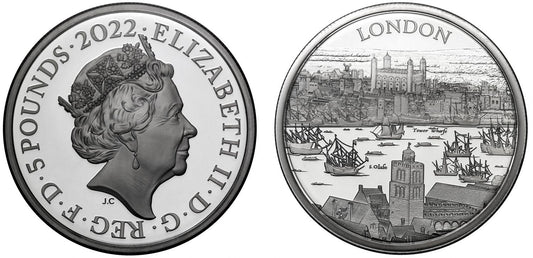
-
Charles III 2024 gold PF70 UC 1/4oz Britannia
Regular price £1,020Regular priceUnit price per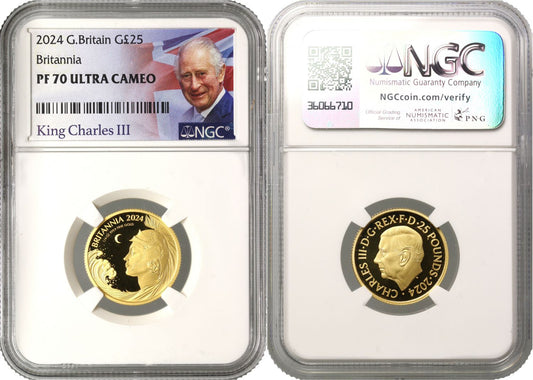
-
Charles III 2024 gold proof 1/4oz Britannia
Regular price £950Regular priceUnit price per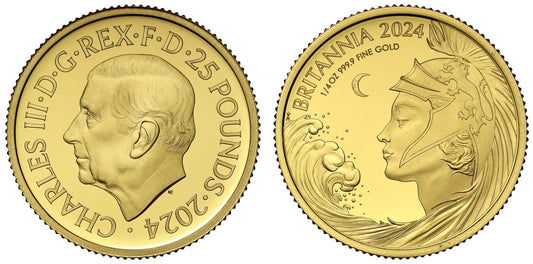
-
Charles III 2025 silver proof 2oz Waterloo Victory
Regular price £260Regular priceUnit price per