 Search


FAQs
What makes a coin valuable?


I have coins to sell, what’s the next step?
How will my purchases be shipped?
What happens if I’m not entirely happy with my purchase?
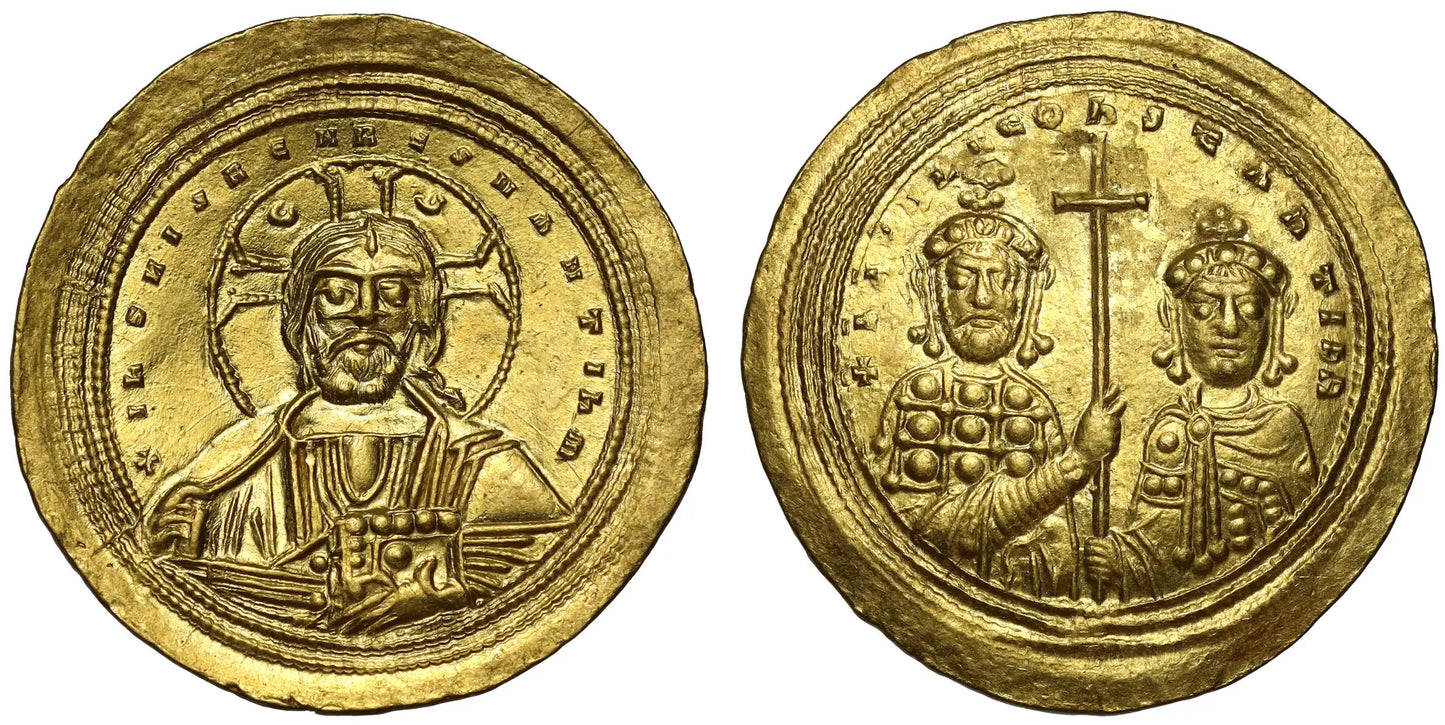
Basil II Bulgaroktonos with Constantine VIII, Gold Histamenon Nomisma, Constantinople
Basil II Bulgaroktonos, with Constantine VIII (976-1025 AD), gold Histamenon Nomisma, Constantinople mint, struck 1005-1025 AD, nimbate facing bust of Christ Pantokrator, raising hand in benediction and holding Gospels, upturned crescent in upper two quarters of nimbus, rev. crowned facing half-length busts of Basil, wearing loros, with suspended crown above head, and Constantine, wearing chlamys, together holding long cross between them, 4.42g, 7h (DOC 6a; Füeg II 6.B; SB 1800). Lustrous and good extremely fine.
This gold histamenon nomisma was struck at Constantinople during the reign of Basil II, Byzantine emperor from 976 to 1025 AD, in association with his brother and co-emperor Constantine VIII. Known as Basil II Bulgaroktonos, meaning "Bulgar-Slayer," Basil presided over a period of military expansion, administrative consolidation and renewed imperial authority. His reign culminated in the Byzantine conquest of the Bulgarian Empire in 1018, a defining achievement in the history of the medieval Balkans.
The obverse depicts Christ Pantokrator, or "Ruler of All," facing forward with a halo, raising his right hand in blessing and holding the Gospels in his left. The upturned crescent motifs within the upper quarters of his halo are distinctive details of the design. Christ's prominent position reflects the central role of Orthodox Christianity in Byzantine imperial ideology, presenting the emperor's authority as divinely sanctioned.
On the reverse, Basil II and Constantine VIII appear side by side, crowned and facing forward, jointly holding a long cross. Basil wears the elaborate loros, a ceremonial imperial garment, while Constantine is dressed in a chlamys, a traditional cloak associated with courtly and military status. Their juxtaposition emphasises dynastic continuity and the shared legitimacy of the ruling brothers.
Struck in gold at the imperial mint in Constantinople, the histamenon nomisma was a prestigious Byzantine denomination used in international commerce and state finance. This coin combines religious symbolism, imperial portraiture and precious-metal craftsmanship, offering a tangible connection to Byzantium at the height of its medieval power.
FAQs
What makes a coin valuable?
I have coins to sell, what’s the next step?
How will my purchases be shipped?
What happens if I’m not entirely happy with my purchase?
Popular Coins
View all-
Elizabeth II 2022 silver proof 2oz City Views London
Regular price £220Regular priceUnit price per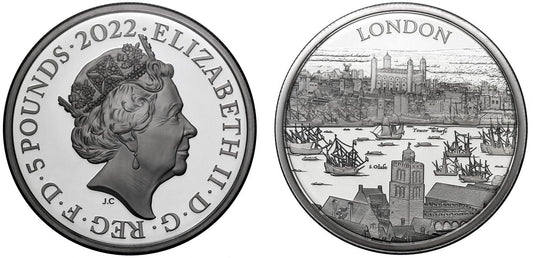
-
Charles III 2024 gold proof 1/4oz Britannia
Regular price £950Regular priceUnit price per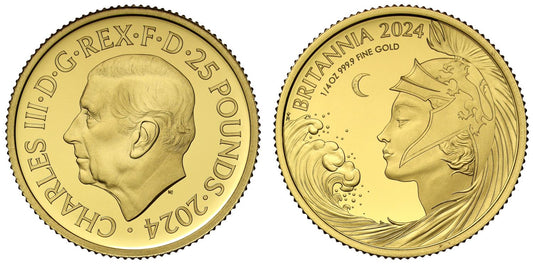
-
Charles III 2026 silver PF70 UCAM FDI Sovereign
Regular price £125Regular priceUnit price per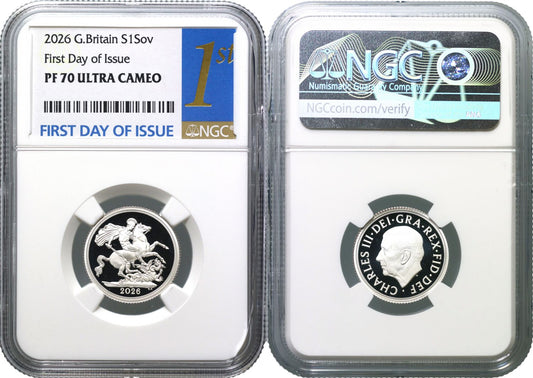
-
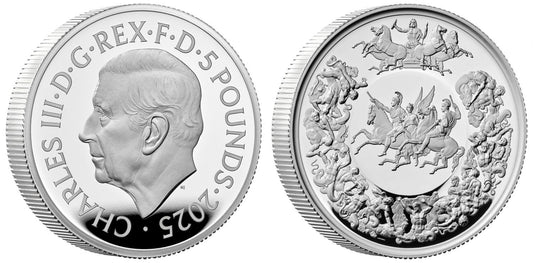
Charles III 2025 silver proof 2oz Waterloo Victory
Regular price £260Regular priceUnit price per