 Search


FAQs
What makes a coin valuable?


I have coins to sell, what’s the next step?
How will my purchases be shipped?
What happens if I’m not entirely happy with my purchase?
Antoninus Pius, Gold Aureus
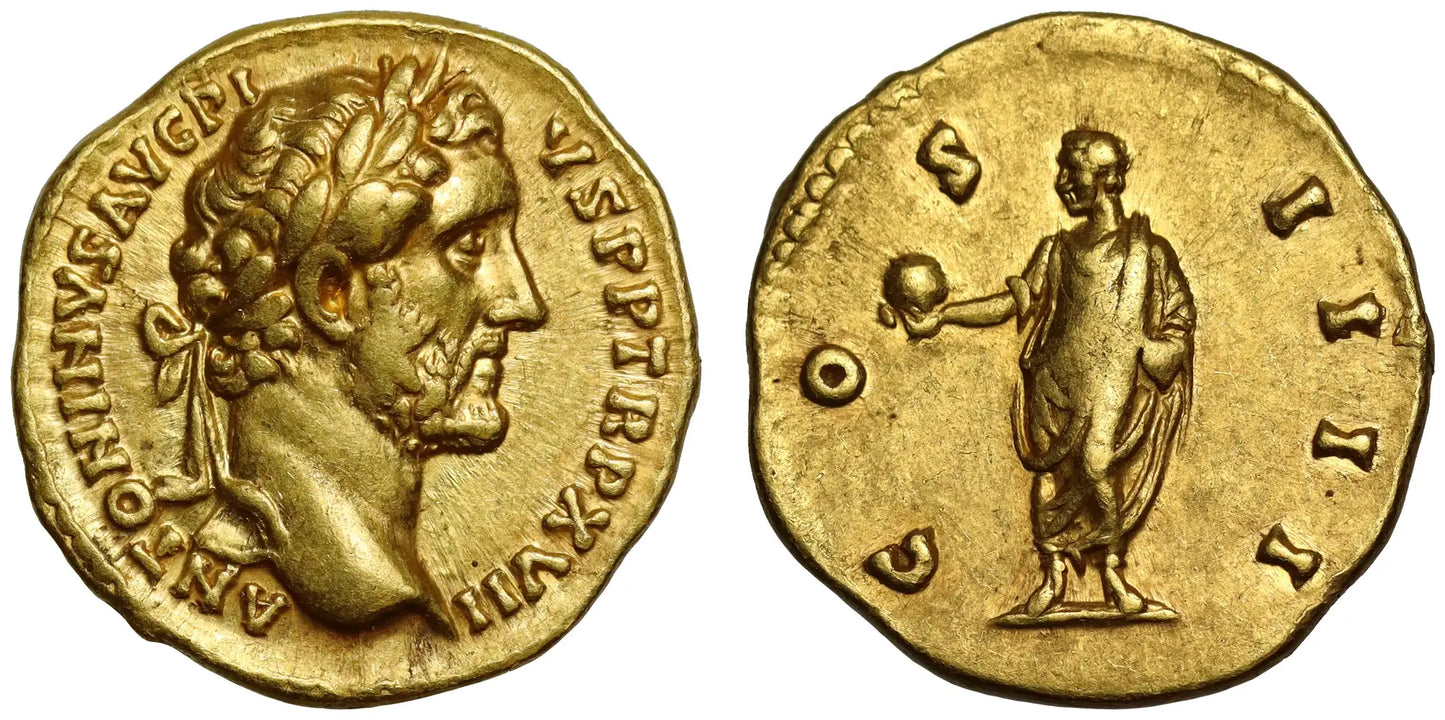
Antoninus Pius (138-161 AD), gold Aureus, Rome 153-154 AD, ANTONINVS AVG PIVS P P TR P XVII, head right with laurel wreath, rev. COS IIII, emperor standing left with globe, 7.13g, 6h (BMC 813; Calicó 1527 a; Coh. 312; RIC 233 b). Good very fine.
This gold aureus of Antoninus Pius, minted in Rome in 153-154 AD, reflects the stability, authority and imperial ideology that characterised his reign. The obverse features a laureate portrait of the emperor facing right, accompanied by the inscription ANTONINVS AVG PIVS P P TR P XVII. The title Pius emphasised his reputation for duty, loyalty and respect for Roman traditions, while Pater Patriae presented him as a paternal figure responsible for the welfare of the empire. The seventeenth tribunician power dates the coin to 153-154 AD and demonstrates the continuity of his imperial authority.
The reverse depicts Antoninus Pius standing in a toga, holding a globe in his outstretched right hand, accompanied by the inscription COS IIII. The globe is particularly significant, symbolising Roman universal power and the emperor's responsibility for maintaining order and stability across the empire. His appearance in civilian dress rather than military armour reinforces the image of an emperor associated with peaceful government rather than military conquest.
This imagery is closely connected to Antoninus Pius's approach to ruling. His reign was generally characterised by internal stability, administrative continuity and relative peace, often regarded as part of the wider Pax Romana. Unlike emperors who sought legitimacy through military victories, Antoninus promoted an image of responsible and traditional leadership. The aureus therefore served not only as valuable currency but also as imperial propaganda, communicating his authority, virtues and commitment to the continued prosperity of Rome.
The obverse inscription ANTONINVS AVG PIVS P P TR P XVII translates to "Antoninus Augustus Pius, Father of the Fatherland, holding tribunician power for the seventeenth time."
The reverse inscription COS IIII translates to "Consul for the Fourth time."
FAQs
What makes a coin valuable?
I have coins to sell, what’s the next step?
How will my purchases be shipped?
What happens if I’m not entirely happy with my purchase?
Popular Coins
View all-
Elizabeth II 2022 silver proof 2oz City Views London
Regular price £220Regular priceUnit price per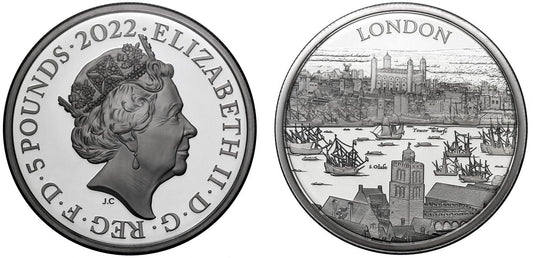
-
Charles III 2024 gold proof 1/4oz Britannia
Regular price £950Regular priceUnit price per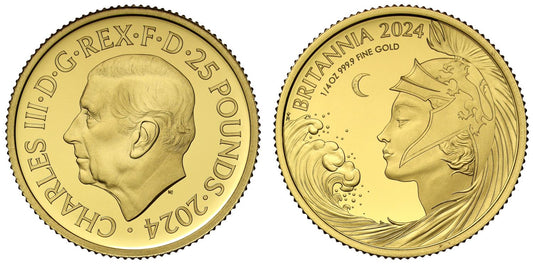
-
Charles III 2026 silver PF70 UCAM FDI Sovereign
Regular price £125Regular priceUnit price per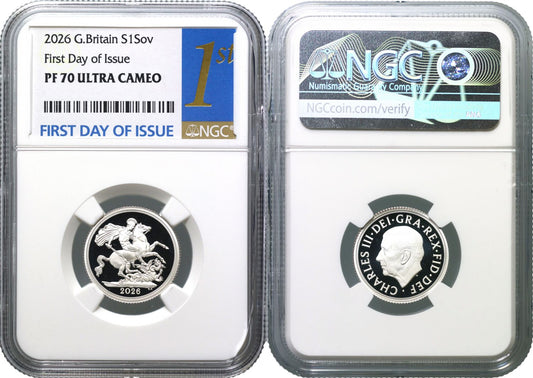
-
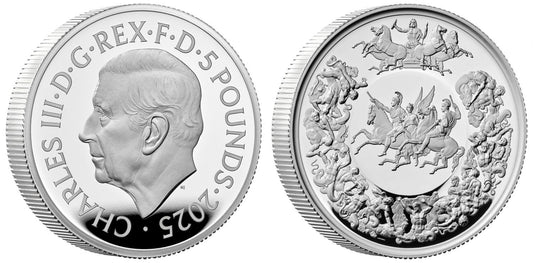
Charles III 2025 silver proof 2oz Waterloo Victory
Regular price £260Regular priceUnit price per