 Search


FAQs
What makes a coin valuable?


I have coins to sell, what’s the next step?
How will my purchases be shipped?
What happens if I’m not entirely happy with my purchase?
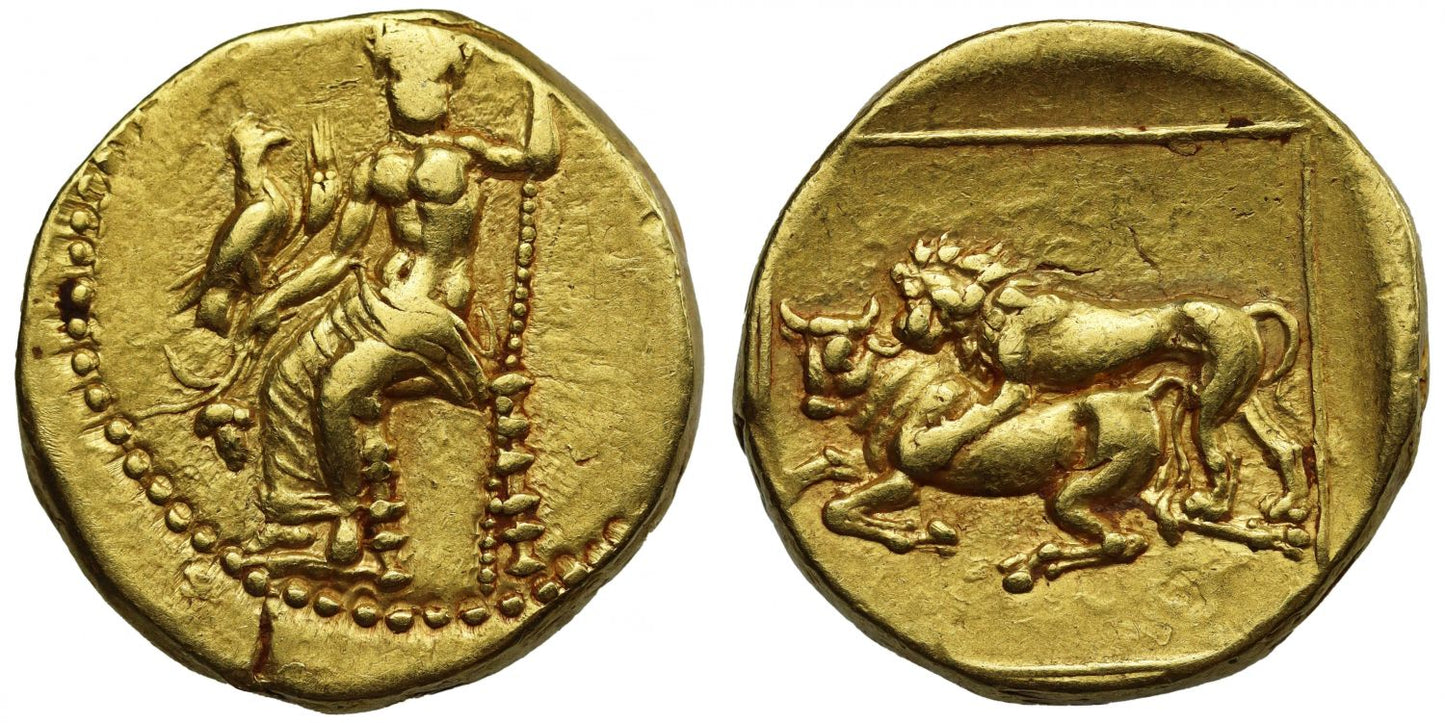
Alexandrine Empire, Mazaios as Satrap of Babylon, gold Double Daric
Persia, Alexandrine Empire, Mazaios as Satrap of Babylon (331-328 BC), gold Double Daric, Baaltars seated left on a backless throne, his head and torso facing, holding eagle, grain ear, grape bunch on vine and long sceptre, rev. Lion attacking bull left, all within a linear square border, 17.11g, 9h (F. Holt & O. Bopearachchi note 106, figs. 51-2 var. = Miho Museum, Treasures of Ancient Bactria, 2002, 44 a-b var.; Triton X 412 [same dies]). Very fine and very rare.
After his decisive victory over the Persian army at the Battle of Gaugamela, as he advanced on Babylon Alexander declared that the city and its inhabitants' homes should not be plundered. On hearing this, Mazaios surrendered the city peacefully to Alexander who in turn retained him as Satrap. It is in the context of this hybrid satrapy that the present anonymous gold Double Daric, the gold Double Darics of the traditional Achaemenid kneeling/running king type, and the anonymous silver coinage attributed to Mazaios during this period, can be understood. A parallel coinage, purposes unknown, facilitating the government of the satrapy in a period which must have been politically complex, during the defeat of Darius III and the conquest of Alexander.
FAQs
What makes a coin valuable?
I have coins to sell, what’s the next step?
How will my purchases be shipped?
What happens if I’m not entirely happy with my purchase?
Popular Coins
View all-
Elizabeth II 2022 silver proof 2oz City Views London
Regular price £220Regular priceUnit price per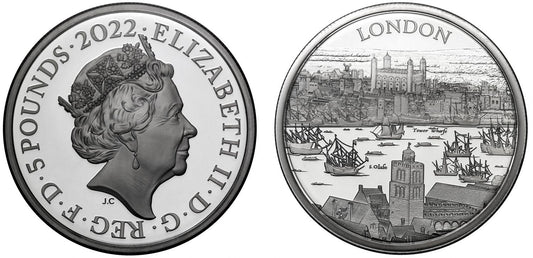
-
Charles III 2024 gold PF70 UC 1/4oz Britannia
Regular price £1,020Regular priceUnit price per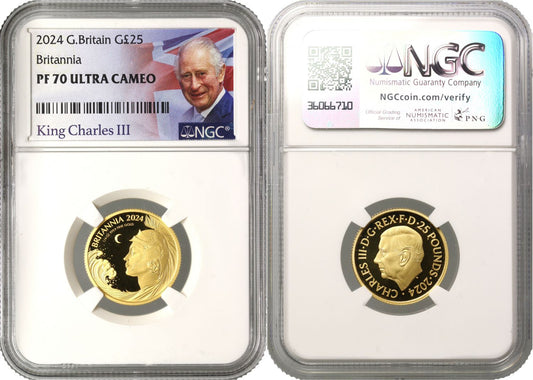
-
Charles III 2024 gold proof 1/4oz Britannia
Regular price £950Regular priceUnit price per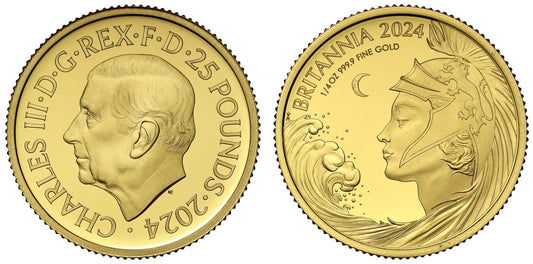
-
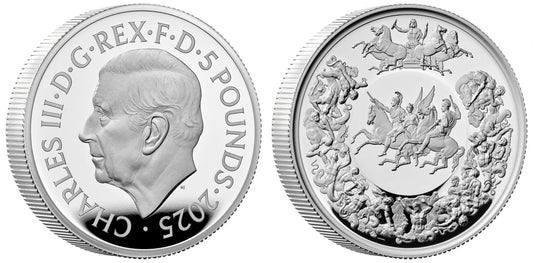
Charles III 2025 silver proof 2oz Waterloo Victory
Regular price £260Regular priceUnit price per