 Search


FAQs
What makes a coin valuable?


I have coins to sell, what’s the next step?
How will my purchases be shipped?
What happens if I’m not entirely happy with my purchase?
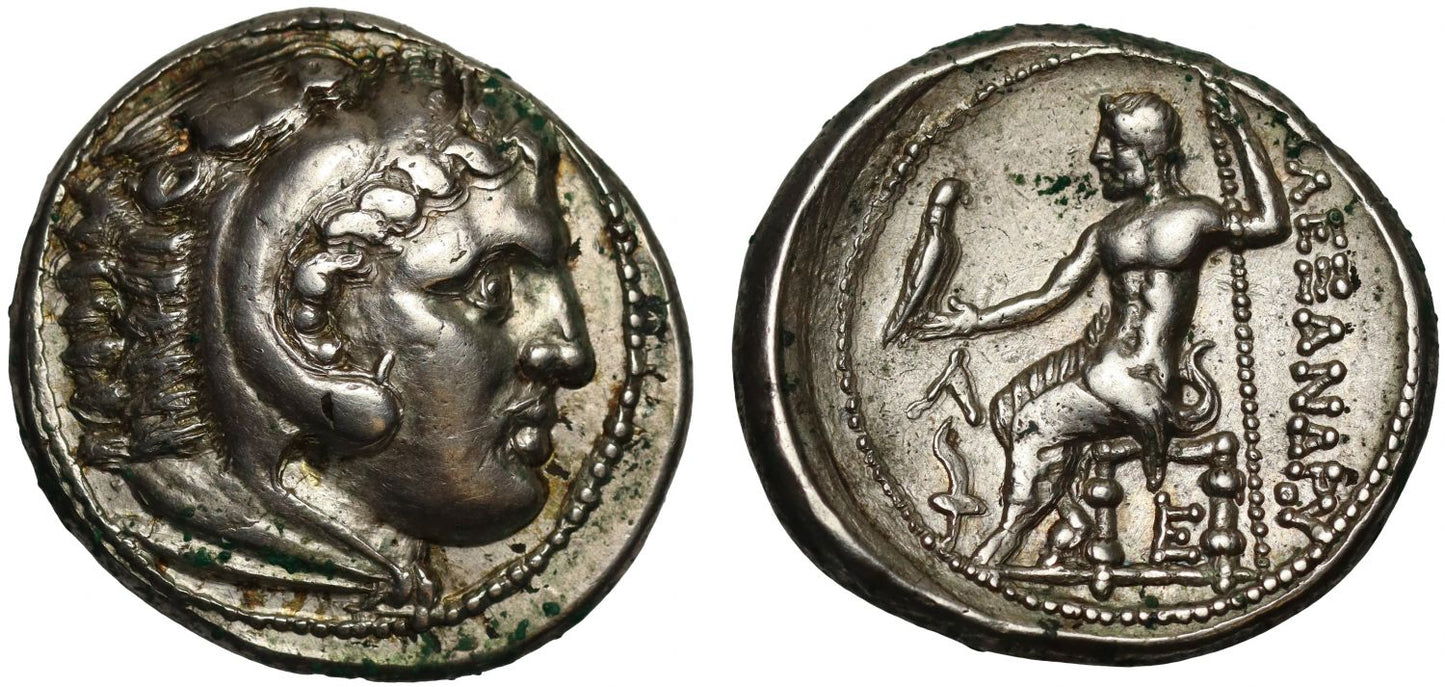
Alexander III 323-323 BC, silver posthumous Tetradrachm. Amphipolis
Kingdom of Macedon, Alexander III the Great (336-323 BC), silver posthumous Tetradrachm, Amphipolis, 315-294 BC, Head of Herakles right, wearing lionskin headdress rev. AΛEΞANΔΡOY, Zeus seated left, holding eagle, Λ over torch in left field, EY monogram beneath chair, 15.77g, 5h (price 486, Ex Bonhams 27 October 2004). Some small Verdigris, nearly extremely fine and well centred.
This silver tetradrachm belongs to the extensive posthumous coinage of Alexander the Great. It was struck at Amphipolis between approximately 315 and 294 BC, more than a decade after Alexander's death in 323 BC. The continued production of coins bearing Alexander's name demonstrates the extraordinary longevity of his reputation and the importance of his established monetary types during the early Hellenistic period.
The obverse depicts the youthful head of Herakles facing right, wearing the skin of the Nemean lion as a headdress. Herakles was one of the most celebrated heroes of Greek mythology, famous for his strength and legendary labours. His image was used extensively on Alexander's coinage and provided a powerful association with heroic strength and divine favour. The idealised portrait also reflects the high artistic traditions of Classical Greek coin engraving.
The reverse carries the inscription AΛEΞANΔΡOY, meaning "of Alexander," and shows Zeus seated on a throne facing left. He holds an eagle in his outstretched hand, while a sceptre completes the composition. Zeus represents divine authority and kingship, creating a striking contrast with the heroic image of Herakles on the obverse. Together, the two figures became the defining imagery of Alexander's silver tetradrachms.
The symbols surrounding Zeus are particularly useful for identifying this specific issue. The Λ over a torch appears in the left field, while the EY monogram is placed beneath the throne. Such symbols and monograms were used to distinguish individual emissions and could refer to mint officials, magistrates or other aspects of the coin's production. The Amphipolis mint was an important centre of Macedonian coin production, and its issues played a significant role in the circulation of Alexander's coinage.
By the time this tetradrachm was struck, Alexander's empire had already fragmented among his former generals. Nevertheless, his name continued to carry enormous prestige. Rather than introducing an entirely new design, many successor rulers and mints continued to strike Alexander's established types, allowing his coinage to remain familiar throughout the Hellenistic world.
FAQs
What makes a coin valuable?
I have coins to sell, what’s the next step?
How will my purchases be shipped?
What happens if I’m not entirely happy with my purchase?
Popular Coins
View all-
Elizabeth II 2022 silver proof 2oz City Views London
Regular price £220Regular priceUnit price per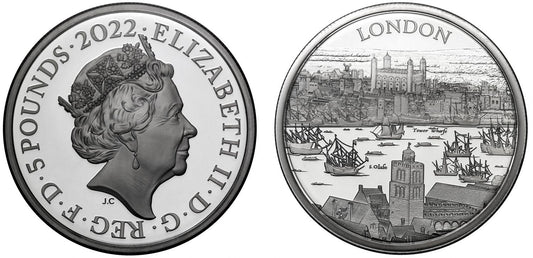
-
Charles III 2024 gold proof 1/4oz Britannia
Regular price £950Regular priceUnit price per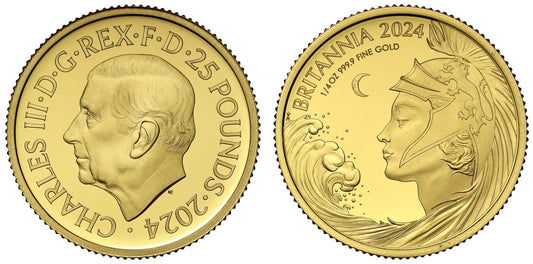
-
Charles III 2025 silver proof 2oz Waterloo Victory
Regular price £260Regular priceUnit price per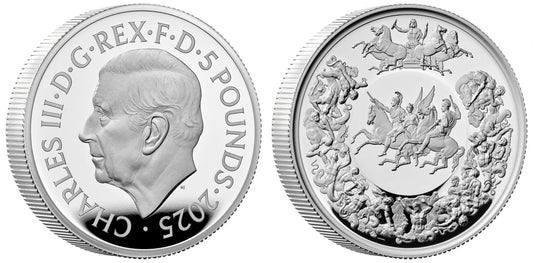
-
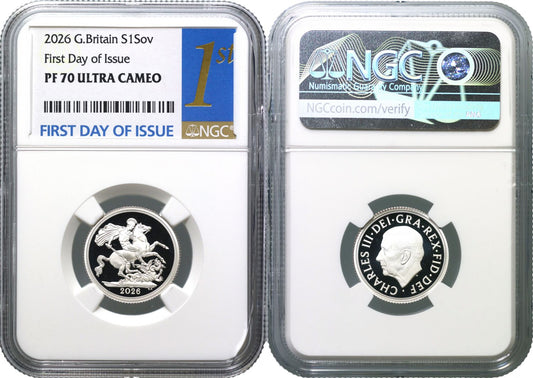
Charles III 2026 silver PF70 UCAM FDI Sovereign
Regular price £125Regular priceUnit price per