 Search


FAQs
What makes a coin valuable?


I have coins to sell, what’s the next step?
How will my purchases be shipped?
What happens if I’m not entirely happy with my purchase?
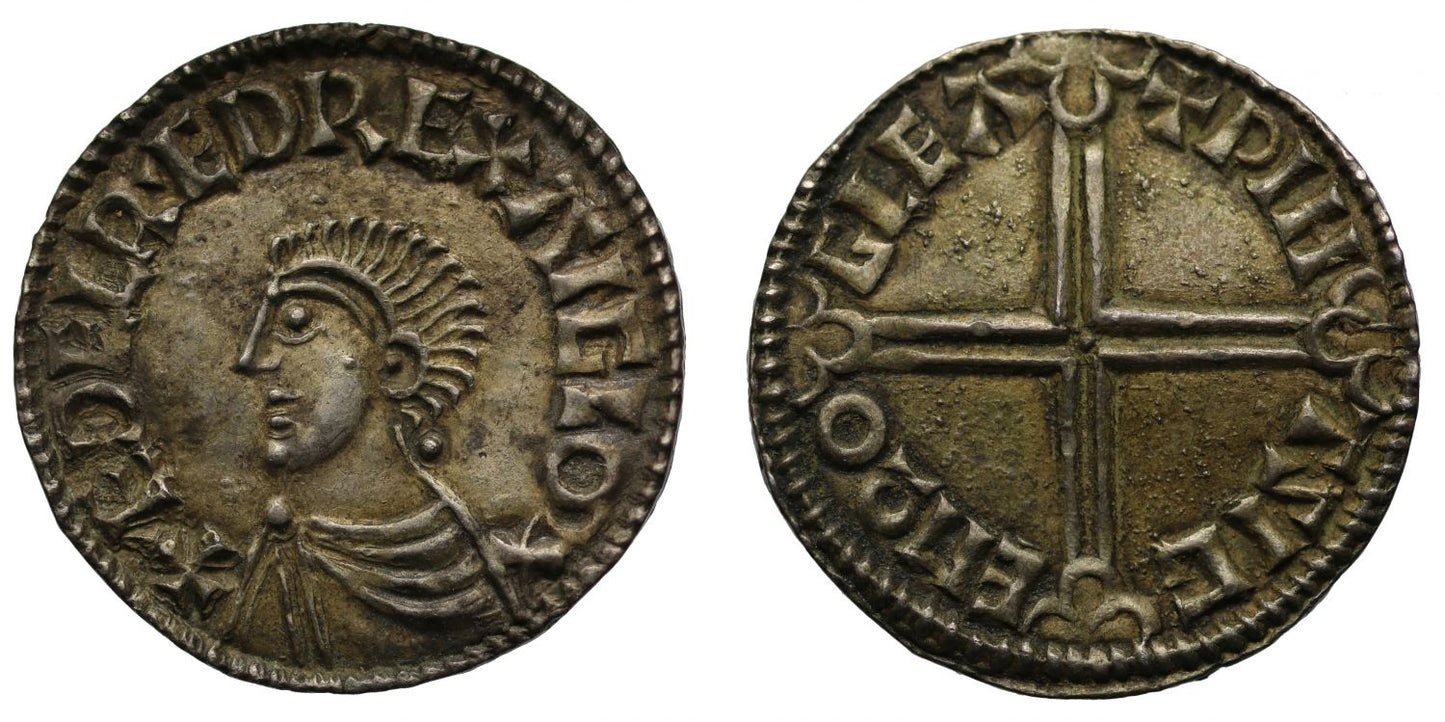
Aethelred II Penny, Long cross type, Gloucester, Wihtsige, ex Miller and English Doctor
Aethelred II (978-1016), silver long cross Penny (c.997-1003), Gloucester Mint, Moneyer Wihtsige, draped bust left Latin legend and beaded outer border surrounding both sides, legend commences lower left, +ÆÐELRÆD REX ANGLORX, last three letters ligatured, rev. long voided cross with tri-crescent ends, +PIN TSIG E MΩO GLEA, weight 1.76g (BMC IV, p.201; BEH 597; SCBI 24:526 West Country; N.774; S.1151). Toned with a slight undulation, extremely fine.
North lists 73 named mints in operation during the reign of Aethelred II with a further 14 unallocated. According to North Gloucester operates with 5 moneyers in all types except first small cross.
Though Aethelred enjoyed such a long reign he was known as "The Unready" literally meaning ill-counselled from a history of bad advice and decision making. Born circa 967 Aethelred was supported by his mother and partisans that were led by Earl Aelfhere of Mercia; ascending the throne at no more than 12 years of age after the murder of his Half-Brother Edward at Corfe. The influential Aelfhere having died in 983 meant Aethelred became more vulnerable, and the Vikings began to start their raids once again. Aethelred chose to pay off the raiders rather than resist, becoming known for giving such ransoms payments willingly. This meant many hundreds of thousands of coins ended up being taken to Scandanavia where they were hoarded and why much of the coinage that survives today often exhibits "peck marks" where the Viking bankers have inserted a knife point to make sure the metal quality was good. The harrying continued until Swein Forkebeard held a great swathe of England by 1013, and Aethelred was under threat in London retreating to the Isle of Wight. England submitted to Swein but he died suddenly on the 2nd February 1014 at Gainsborough giving Aethelred the advantage and driving the Vikings out. Canute the second son of Swein, returned to attack in 1015 and by early 1016 was marching on Mercia, Aethelred however passed away on 23rd April 1016 in London at around the age of 52 just as his second son Edmund was moving south to link up with the army. Edmund was elected King, but the army was his priority, and after winning a few battles suffered a defeat at Ashingdon on 18th October 1016. He retreated possibly wounded to West Mercia and negotiated a treaty giving him rule of Wessex. However, Edmund died in Oxford on the 30th November 1016 giving control to Canute.
The City of Gloucester on the River Severn is 37 miles north north east of Bristol and in 877 the army of Guthrum moved there and the town was ravaged several times through the 10th century. Aethelflaed, Lady of the Mercians (died 918) is buried here and King Aethelstan dies here at his palace in 940. The present cathedral was founded in 1089 and later the city was destroyed by fire in 1101 in the reign of Henry I.In King Stephen's reign Gloucester became an Angevin stronghold for Earl Robert and interestingly Stephen's cousin Matilda, received him at Gloucester as her prisoner before sending him on to Bristol in 1141.
The legends translate as "Aethelred, King of the English" and "Wihtsige of Gloucester".
Provenance:
Ex A. H. Baldwin, 21st May 1965 purchased for £20
Ex Dr Erik Miller Collection, part II, Spink Coin Auction, 27th March 2019, lot 61.
Ex Collection of an English Doctor, part one, Sovereign Rarities, London, March 2022.
FAQs
What makes a coin valuable?
I have coins to sell, what’s the next step?
How will my purchases be shipped?
What happens if I’m not entirely happy with my purchase?
Popular Coins
View all-
Elizabeth II 2022 silver proof 2oz City Views London
Regular price £220Regular priceUnit price per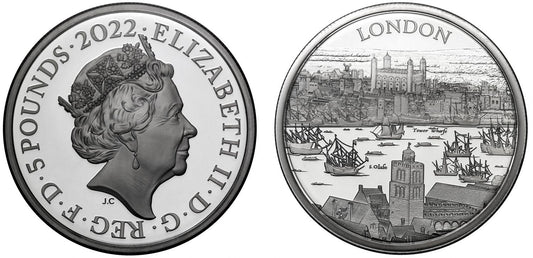
-
Charles III 2024 gold PF70 UC 1/4oz Britannia
Regular price £1,020Regular priceUnit price per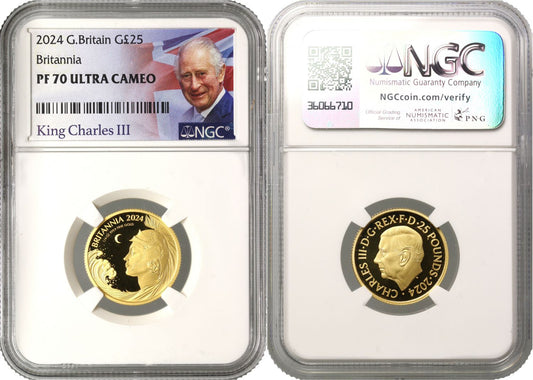
-
Charles III 2024 gold proof 1/4oz Britannia
Regular price £950Regular priceUnit price per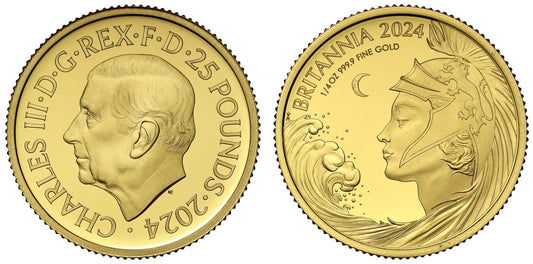
-
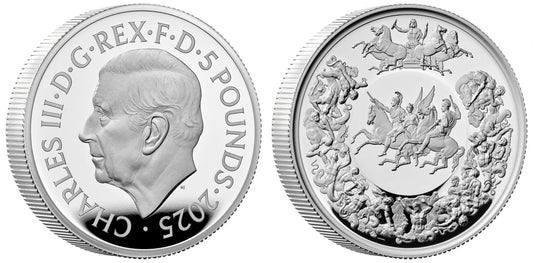
Charles III 2025 silver proof 2oz Waterloo Victory
Regular price £260Regular priceUnit price per