 Search


FAQs
What makes a coin valuable?


I have coins to sell, what’s the next step?
How will my purchases be shipped?
What happens if I’m not entirely happy with my purchase?
Nicephorus I & Stauracius, Gold Solidus, Constantinople
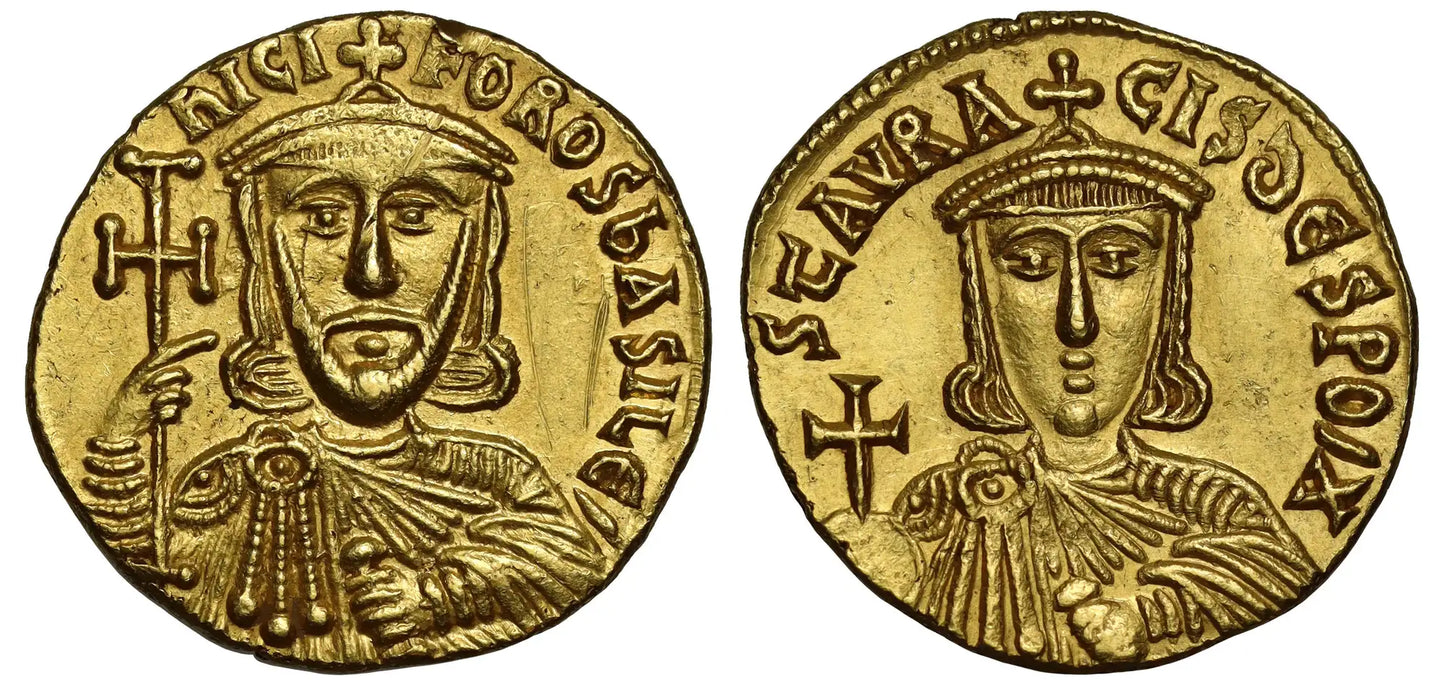
Nicephorus I, with Stauracius (802-811 AD), gold Solidus, Constantinopolis, 803-811 AD, ҺICIFOROS bASILЄ', crowned and draped bust of Nicephorus facing, holding cross potent in his right hand and akakia in his left, rev. STAVRACIS δЄSPO' IX Crowned and draped bust of Stauracius facing, holding globus cruciger in his right hand and akakia in his left, 4.48g, 6h (DOC 2. SB 1604). Extremely fine.
This gold solidus of Nicephorus I 802811 AD, struck at Constantinople between 803 811 AD, is an important and visually striking issue from the Byzantine Empire. The coin portrays not only the reigning emperor but also his son and designated successor, Stauracius, making it a particularly significant piece of Byzantine dynastic history.
The obverse depicts Nicephorus I facing, crowned and dressed in imperial robes. He holds a cross potent in his right hand and the akakia in his left. The inscription, ҺICIFOROS bASILЄ', identifies him as the emperor Nicephorus. The cross held by the emperor is an important symbol of Christian authority, while the akakia a small cylindrical object associated with imperial representations symbolised the emperor's humility and mortality before God.
The reverse presents a fascinating dynastic image, showing Stauracius, the son of Nicephorus I, facing and similarly crowned and draped. He holds a globus cruciger in his right hand and an akakia in his left, with the inscription STAVRACIS δЄSPO', identifying him as Stauracius Despot. The use of the title Despot is particularly significant, reflecting his elevated position within the imperial succession.
Coins depicting the emperor alongside his heir served an important political purpose. By placing Nicephorus and Stauracius on opposing sides of the solidus, the coinage publicly presented the continuity of imperial authority and reinforced Stauracius's position as the designated successor.
The reign of Nicephorus I was marked by considerable military and financial challenges, including conflicts with the Bulgars and the wider struggle between Byzantium and its neighbours. He is also remembered for his extensive reforms of the Byzantine state and taxation system. This solidus therefore belongs to a fascinating period in Byzantine history, when the empire was seeking to strengthen its institutions while simultaneously facing serious external threats.
The obverse inscription ҺICIFOROS bASILЄ translates to "Nikephoros, Emperor."
The reverse inscription STAVRACIS δЄSPO' IX translates to "Stauracius, Despot."
FAQs
What makes a coin valuable?
I have coins to sell, what’s the next step?
How will my purchases be shipped?
What happens if I’m not entirely happy with my purchase?
Popular Coins
View all-
Elizabeth II 2022 silver proof 2oz City Views London
Regular price £220Regular priceUnit price per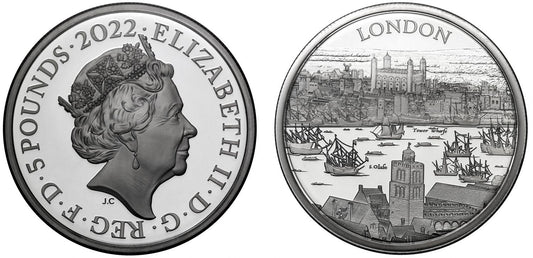
-
Charles III 2024 gold PF70 UC 1/4oz Britannia
Regular price £1,020Regular priceUnit price per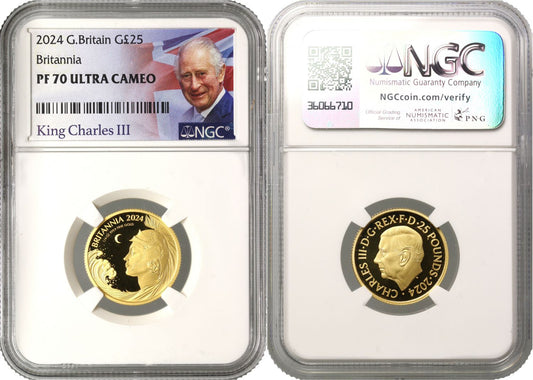
-
Charles III 2024 gold proof 1/4oz Britannia
Regular price £950Regular priceUnit price per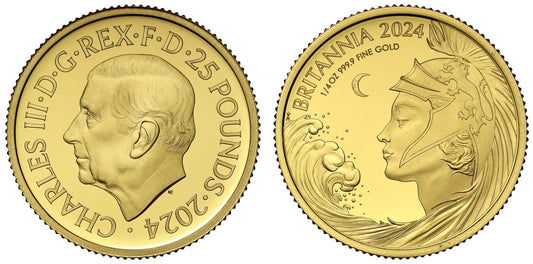
-
Charles III 2025 silver proof 2oz Waterloo Victory
Regular price £260Regular priceUnit price per