 Search


FAQs
What makes a coin valuable?


I have coins to sell, what’s the next step?
How will my purchases be shipped?
What happens if I’m not entirely happy with my purchase?
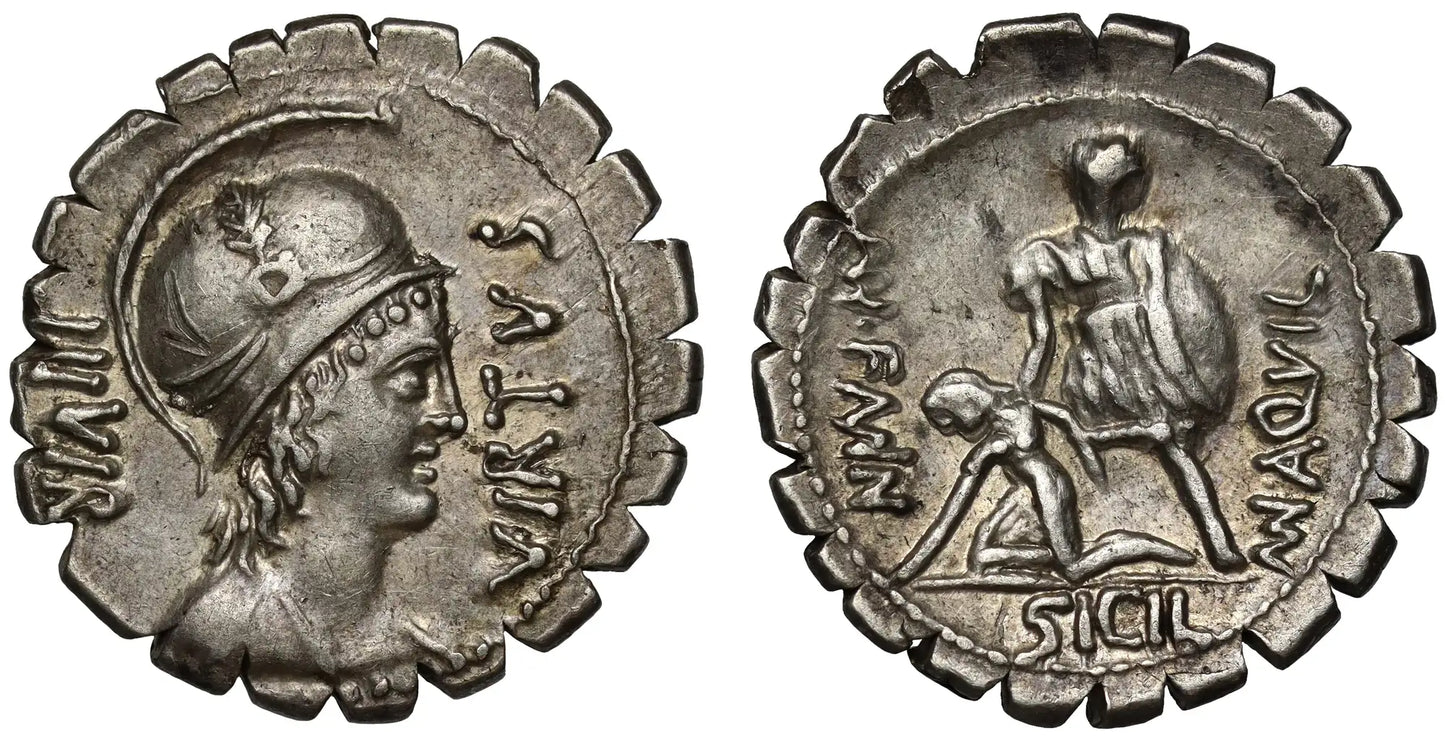
Mn. Aquillius, Silver Serratus Denarius
Mn. Aquillius Mn.f. Mn.n. 65 BC, silver Serrate Denarius, Rome, VIRTVS III VIR, draped bust of Virtus right, wearing crested helmet ornamented with feather, rev. MN AQVIL, MN F MN, SICIL in exergue, the consul, Mn. Aquillius, standing left, head right, raising with right hand a kneeling female figure left, Sicilia, who is half-naked and is sinking to the ground, and holding a shield in his left hand, 4.08g, 4h (Crawford 401/1; Sydenham 798; Kestner 3296-3298; BMCRR Rome 3364-3369; Aquillia 2). About extremely fine.
This silver serrate denarius was struck at Rome in 65 BC by Manius Aquillius, son and grandson of men who had both borne the same name. The obverse depicts Virtus, the personification of courage and military virtue, facing right and wearing a crested helmet decorated with a feather. The inscription VIRTVS III VIR identifies Virtus and records Aquillius' position as one of the three moneyers responsible for producing Rome's coinage.
The reverse presents a dramatic historical scene. Mn. Aquillius, identified by the inscription MN AQVIL, MN F MN and the exergual SICIL, is shown standing left, raising a kneeling female figure representing Sicily. Aquillius holds a shield in his left hand, while Sicily is shown half-naked and collapsing towards the ground. The scene refers to the achievements of Aquillius' grandfather, Manius Aquillius, who served as consul in 101 BC and was awarded a triumph for his suppression of a slave revolt in Sicily.
The imagery is therefore an example of a Roman moneyer using coinage to celebrate his family's achievements and political heritage. By placing his ancestor's military success prominently on the reverse, the younger Aquillius reminded the Roman public of his family's service to the Republic and strengthened his own political credentials.
The pairing of Virtus on the obverse with the rescue of Sicily on the reverse reinforces the theme of military courage and service to Rome. The coin also provides an unusually direct link between Roman Republican coinage and family history, rather than simply presenting an abstract symbol of power, Aquillius used a specific historical event involving his ancestor to promote the prestige of his gens.
The obverse inscription VIRTVS III VIR translates to "Virtue Board of Three Officials."
The reverse inscription MN AQVIL, MN F MN, SICIL translates to "Manius Aquillius, son of Manius, grandson of Manius / Sicily."
FAQs
What makes a coin valuable?
I have coins to sell, what’s the next step?
How will my purchases be shipped?
What happens if I’m not entirely happy with my purchase?
Popular Coins
View all-
Elizabeth II 2022 silver proof 2oz City Views London
Regular price £220Regular priceUnit price per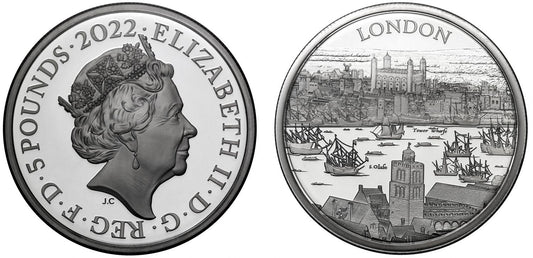
-
Charles III 2024 gold PF70 UC 1/4oz Britannia
Regular price £1,020Regular priceUnit price per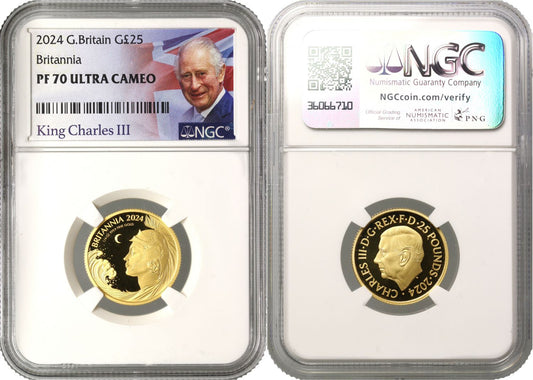
-
Charles III 2024 gold proof 1/4oz Britannia
Regular price £950Regular priceUnit price per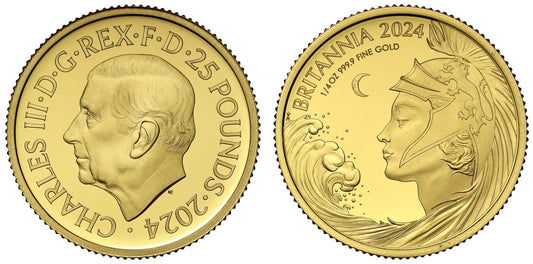
-
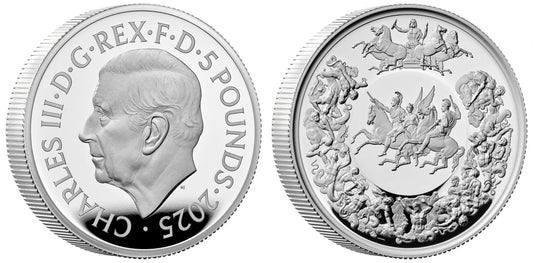
Charles III 2025 silver proof 2oz Waterloo Victory
Regular price £260Regular priceUnit price per