 Search


FAQs
What makes a coin valuable?


I have coins to sell, what’s the next step?
How will my purchases be shipped?
What happens if I’m not entirely happy with my purchase?
Marcus Aurelius, Bronze Sestertius, Rome
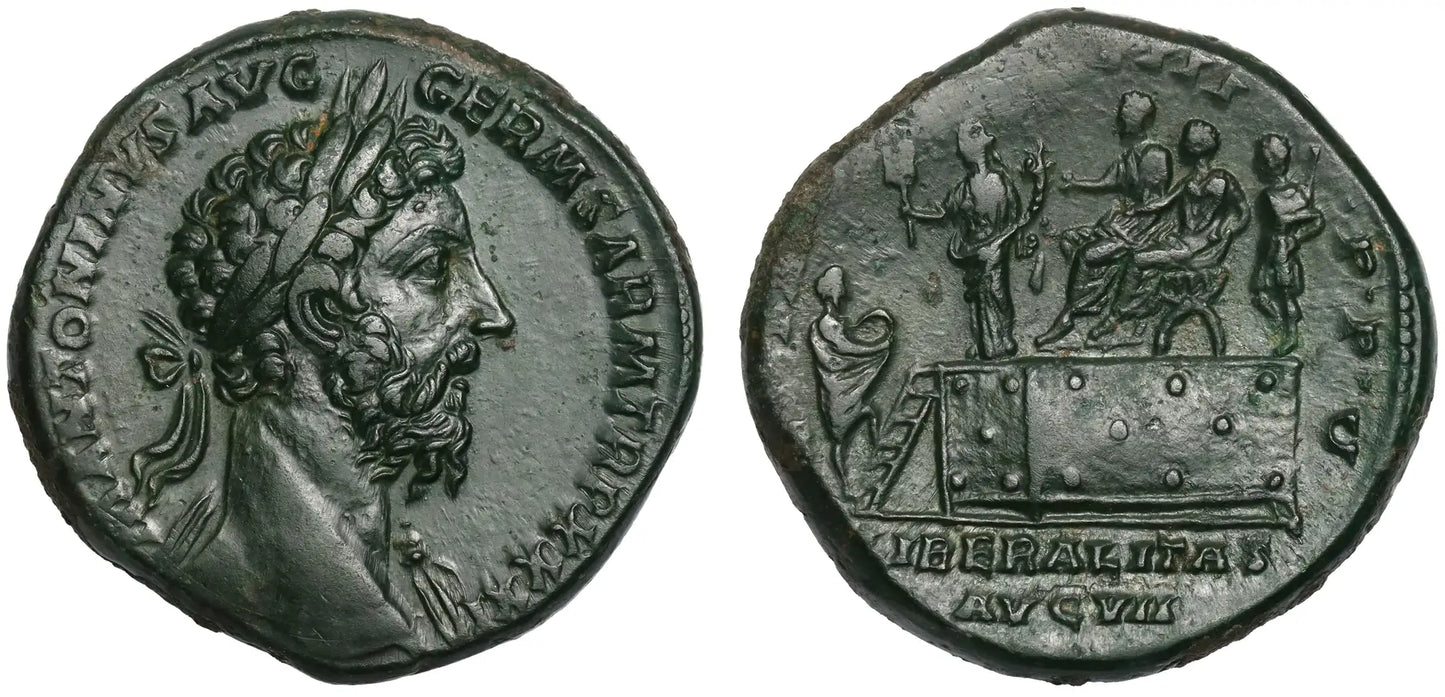
Marcus Aurelius (161-180 AD), Bronze sestertius, Rome mint; struck 176-177 AD. M ANTONINVS AVG GERM SARM TR P XXXI, laureate head to right with slight drapery on far shoulder, rev. [IMP VIII COS] III P P, Marcus Aurelius and Commodus, togate, seated to left on curule chair on platform, extending right hands; behind them, officer, standing to left and holding sceptre; before them, Liberalitas, draped, standing to left, holding abacus in right hand and cornucopia in left, preparing to distribute donative to citizen mounting steps with outstretched hands holding toga below; S C across fields, LIBERALITAS AVG VII in two lines in exergue, 24.97g, 6h, (RIC III 1208 var. (bust type) Cohen 424 var). Near Extremely Fine. Well-struck and detailed. Amazing dark olive-green patina. Extremely rare variant.
Ex Numismatica Ars Classica, Auction 100, 29 May 2017, lot 1913.
Struck at the Rome mint in 176177 AD, this impressive sestertius of Marcus Aurelius commemorates one of the most important expressions of imperial generosity, the distribution of a public donative to the citizens of Rome. The reverse provides a fascinating insight into the ceremonial relationship between the emperor and the Roman people.
The obverse depicts a laureate and slightly draped bust of Marcus Aurelius facing right, accompanied by the titles M ANTONINVS AVG GERM SARM TR P XXXI, highlighting both his imperial status and his military achievements as Germanicus and Sarmaticus. By this stage of his reign, Marcus Aurelius had spent much of his later years campaigning on Romes northern frontiers, particularly against the Germanic and Sarmatian peoples.
The reverse is particularly remarkable for its detailed depiction of the seventh Liberalitas of Marcus Aurelius. The emperor is shown seated on a curule chair upon a raised platform alongside his son and co-emperor Commodus, both extending their right hands towards the citizens below. Behind them stands an official holding a sceptre, while before the platform is Liberalitas, the personification of imperial generosity. She holds an abacus in one hand and a cornucopia in the other as a citizen approaches the steps with his toga outstretched to receive the distribution.
The inscription LIBERALITAS AVG VII identifies this as the seventh recorded occasion of such imperial largesse under Marcus Aurelius. These distributions were important public events, reinforcing the emperors role as benefactor and protector of the Roman people.
Beyond its historical importance, the reverse is an exceptional example of Roman numismatic storytelling, capturing an elaborate imperial ceremony in remarkable detail. The appearance of Commodus alongside his father is particularly significant, reflecting the dynastic message of the later Antonine period and the increasingly prominent role of the future emperor.
The Obverse inscription M ANTONINVS AVG GERM SARM TR P XXXI translates to "Marcus Aurelius, Augustus, conqueror of the Germans, conqueror of the Sarmatians, holder of tribunician power for the 31st time."
The reverse inscription [IMP VIII COS] III P P -LIBERALITAS AVG VII translates to "Supreme commander for the 8th time, consul for the 3rd time, father of the nation - the seventh act of generosity of the Emperor."
FAQs
What makes a coin valuable?
I have coins to sell, what’s the next step?
How will my purchases be shipped?
What happens if I’m not entirely happy with my purchase?
Popular Coins
View all-
Elizabeth II 2022 silver proof 2oz City Views London
Regular price £220Regular priceUnit price per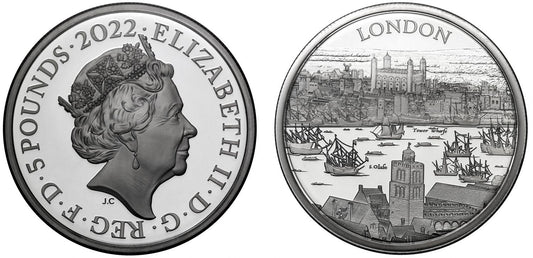
-
Charles III 2024 gold PF70 UC 1/4oz Britannia
Regular price £1,020Regular priceUnit price per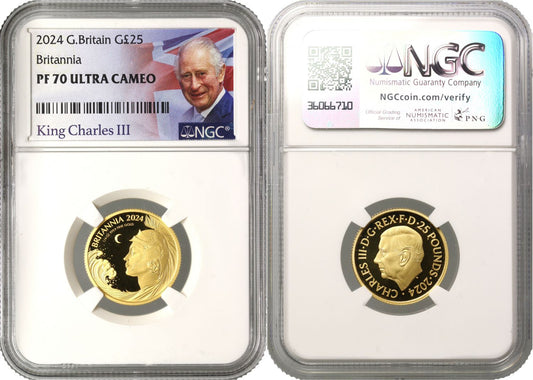
-
Charles III 2024 gold proof 1/4oz Britannia
Regular price £950Regular priceUnit price per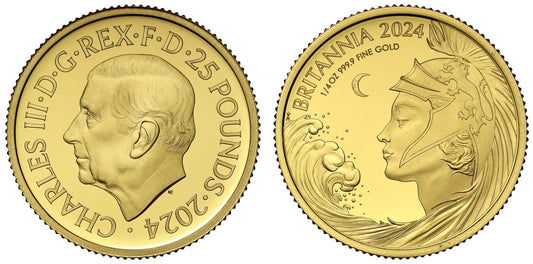
-
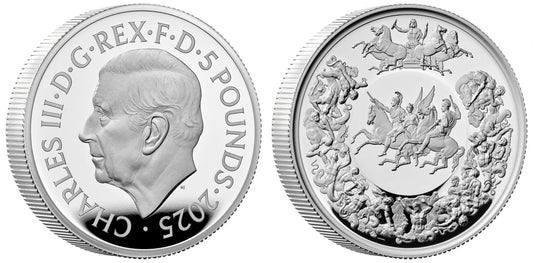
Charles III 2025 silver proof 2oz Waterloo Victory
Regular price £260Regular priceUnit price per