 Search


FAQs
What makes a coin valuable?


I have coins to sell, what’s the next step?
How will my purchases be shipped?
What happens if I’m not entirely happy with my purchase?
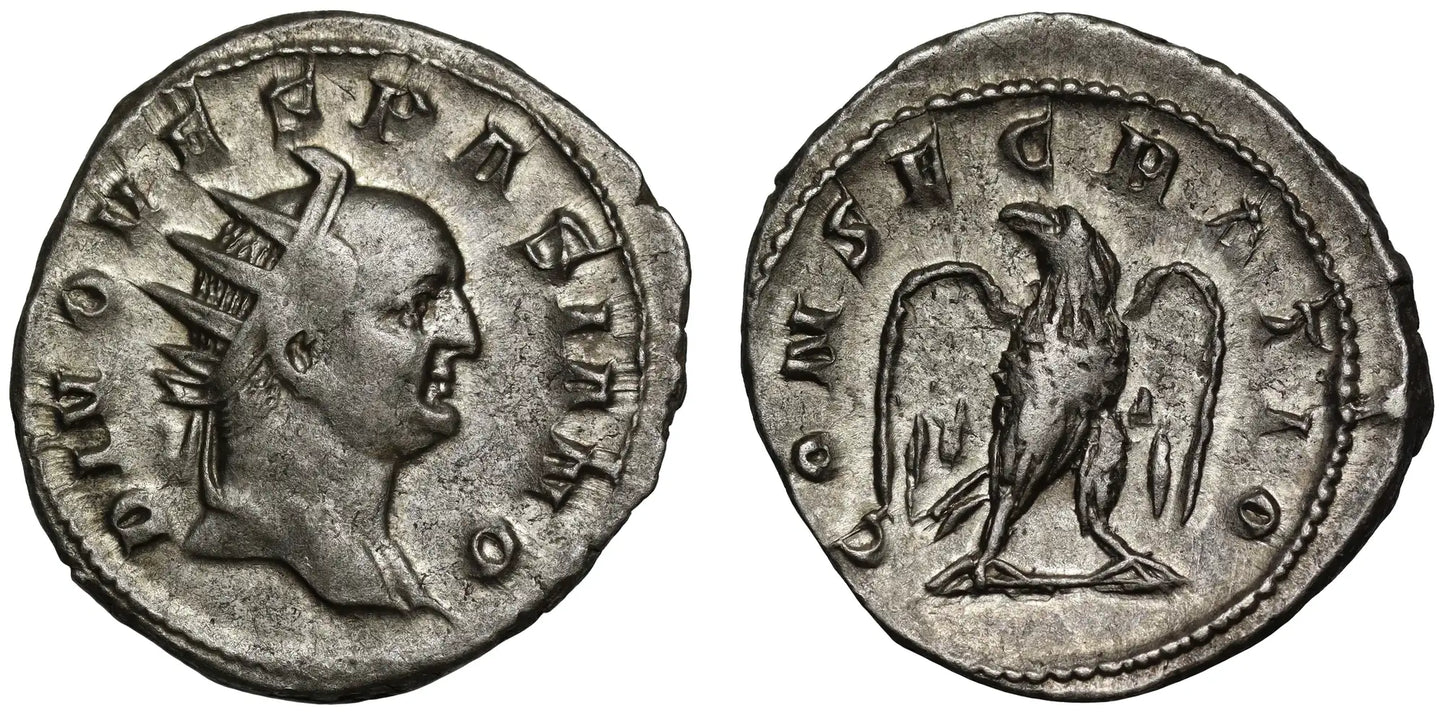
Divus Vespasian, Commemorative issue struck under Trajan Decius, Silver Antoninianus
Divus Vespasian, Commemorative issue struck under Trajan Decius, 249-251 AD, silver Antoninianus, Rome, DIVO VESPASIANO, radiate head right, rev. CONSECRATIO, eagle standing to right with wings spread, head reverted, 4.53g, 6h (Cohen 651. RIC 79). Strong lustre, good very fine.
This interesting silver Antoninianus, struck at Rome between 249 and 251 AD under the Emperor Trajan Decius, commemorates the deified Emperor Vespasian, who had died almost 180 years earlier in 79 AD. The obverse depicts Vespasian's radiate head facing right, accompanied by the inscription DIVO VESPASIANO. The reverse features an eagle standing to the right, its wings spread and head turned backwards, alongside the inscription CONSECRATIO, referring to the formal deification of a deceased emperor.
However, this coin is particularly interesting because of the political circumstances surrounding its production. Trajan Decius came to power in 249 AD after overthrowing Philip I, and his position as emperor was far from secure. The Roman Empire was experiencing considerable instability, with mounting military threats, political upheaval and growing uncertainty surrounding imperial authority. Decius therefore needed to establish his legitimacy and demonstrate that his reign represented a return to Rome's traditional values and former greatness.
One way he achieved this was through an extensive series of commemorative coins honouring Rome's deified emperors, including Augustus, Claudius, Vespasian and other distinguished predecessors. By celebrating these revered figures, Decius deliberately associated himself with the most successful and respected rulers in Roman history. Vespasian was a particularly powerful choice, having risen to power following the civil wars of 69 AD, he founded the Flavian dynasty and restored stability, financial strength and confidence to the Roman Empire. His reputation as a capable military commander and restorer of Roman order made him an ideal figure for Decius to invoke.
Ultimately, this coin was about far more than commemorating a dead emperor. It was a carefully calculated political statement, allowing Trajan Decius to associate his own reign with Rome's greatest imperial traditions and present himself as the rightful heir to its illustrious past.
The obverse inscription DIVO VESPASIANO translates to "To the Divine Vespasian."
The reverse inscription CONSECRATIO translates to "Deification."
FAQs
What makes a coin valuable?
I have coins to sell, what’s the next step?
How will my purchases be shipped?
What happens if I’m not entirely happy with my purchase?
Popular Coins
View all-
Elizabeth II 2022 silver proof 2oz City Views London
Regular price £220Regular priceUnit price per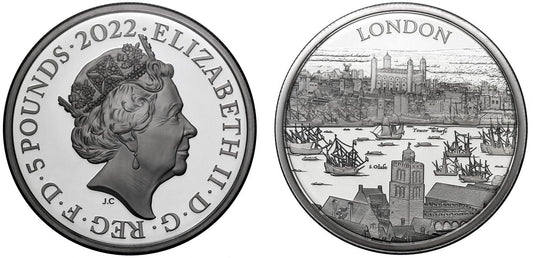
-
Charles III 2024 gold proof 1/4oz Britannia
Regular price £950Regular priceUnit price per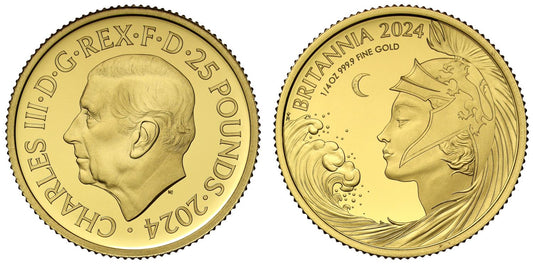
-
Charles III 2026 silver PF70 UCAM FDI Sovereign
Regular price £125Regular priceUnit price per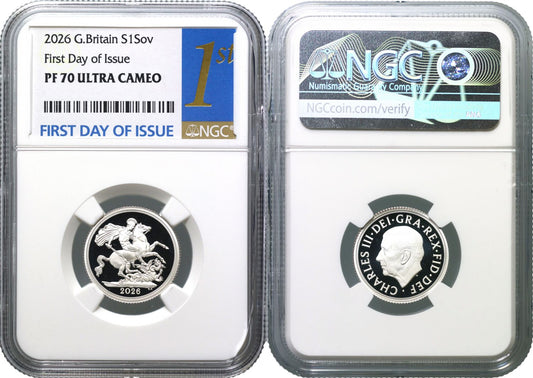
-
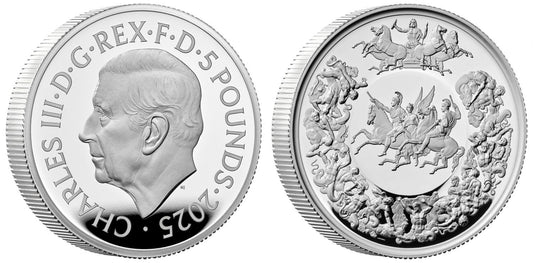
Charles III 2025 silver proof 2oz Waterloo Victory
Regular price £260Regular priceUnit price per