 Search


FAQs
What makes a coin valuable?


I have coins to sell, what’s the next step?
How will my purchases be shipped?
What happens if I’m not entirely happy with my purchase?
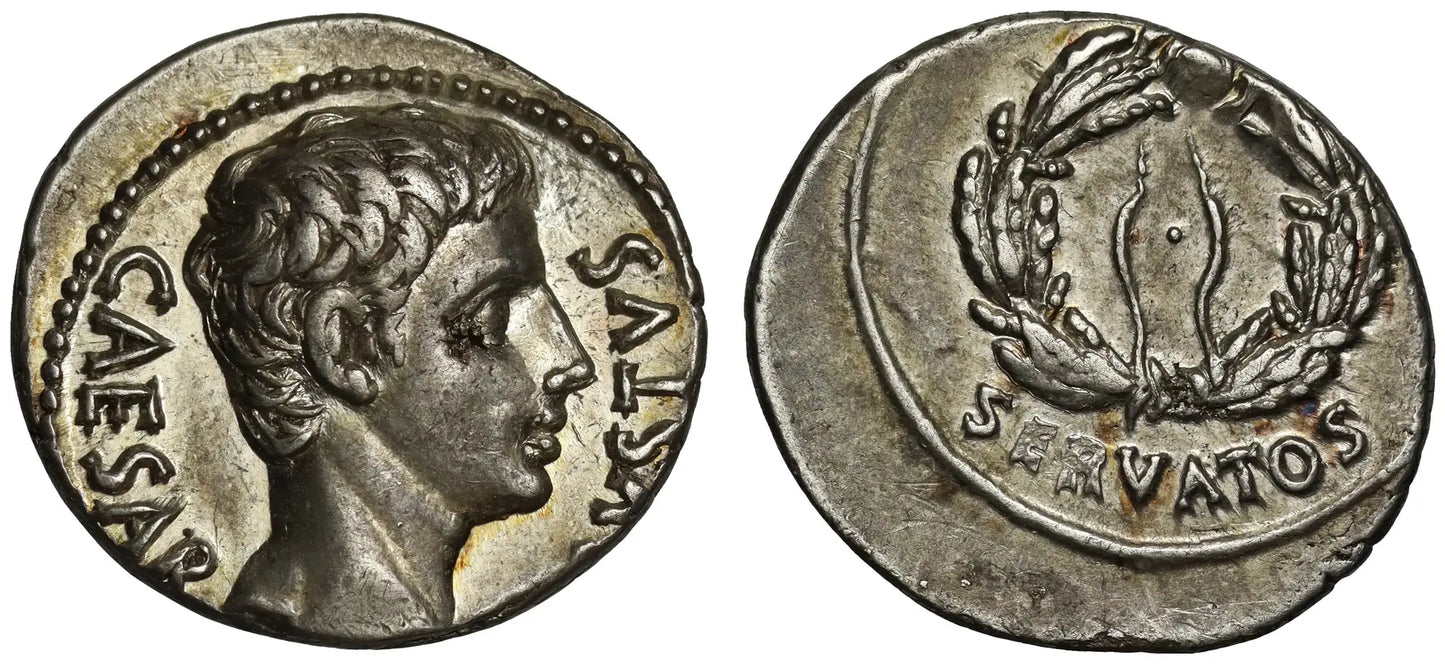
Augustus, Silver Denarius, Spanish mint
Augustus (27 BC-14 AD), silver Denarius, Spanish mint (Colonia Patricia?), struck 19-18 BC, CAESAR AVGVSTVS, bare head right, rev. [OB CIVIS] above, SERVATOS below, oak wreath with the two ties drawn up across centre, 3.64g, 5h (RIC I 75a; RSC 210; BMCRE 376-7 = BMCRR Rome 4389-90; BN 1164-9). Attractive iridescent toning, extremely fine, excellent strong portrait and struck with fresh dies.
This silver denarius was struck at a Spanish mint, possibly Colonia Patricia, around 19-18 BC during the reign of Augustus. The obverse depicts the bare head of Augustus facing right, accompanied by the inscription CAESAR AVGVSTVS. The reverse features an oak wreath with its two ties drawn upward across the centre, surrounded by the inscription OB CIVIS above and SERVATOS below. This celebrated type carries an important political and symbolic message about Augustus' role in restoring peace and protecting the Roman state.
The corona civica, or civic crown, was traditionally awarded to a Roman who had saved the life of a fellow citizen. Augustus prominently adopted the oak wreath as one of his principal symbols, associating himself with the idea that his rule had rescued Rome from the civil wars that had devastated the Republic. The imagery therefore presented Augustus not simply as a victorious military leader, but as a protector and benefactor of the Roman people.
Augustus had risen to power following the assassination of Julius Caesar in 44 BC. After defeating Caesar's assassins and later his former ally Mark Antony, Augustus emerged as the undisputed ruler of the Roman world. In 27 BC, he received the name Augustus from the Senate and established the political settlement that marked the beginning of the Roman Empire.
The date of this coin is particularly significant. By 19-18 BC, Augustus had consolidated his authority and was increasingly presenting his reign as a period of peace, stability and restoration. The OB CIVIS SERVATOS type fits perfectly within this message. Rather than depicting a military victory, the coin emphasises Augustus' supposed service to Rome and its citizens.
The reverse inscription OB CIVIS SERVATOS translates to "For having saved the citizens."
FAQs
What makes a coin valuable?
I have coins to sell, what’s the next step?
How will my purchases be shipped?
What happens if I’m not entirely happy with my purchase?
Popular Coins
View all-
Elizabeth II 2022 silver proof 2oz City Views London
Regular price £220Regular priceUnit price per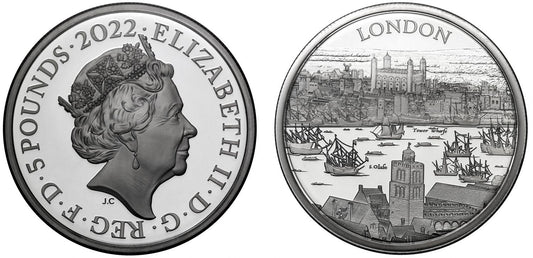
-
Charles III 2024 gold PF70 UC 1/4oz Britannia
Regular price £1,020Regular priceUnit price per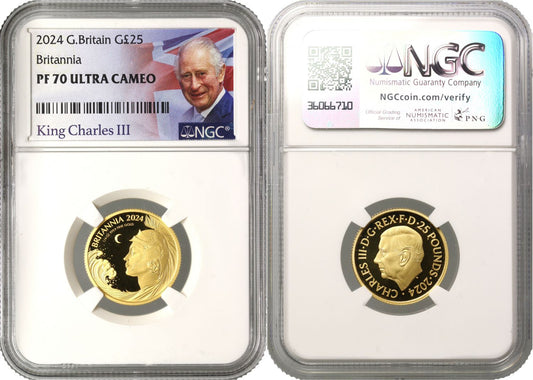
-
Charles III 2024 gold proof 1/4oz Britannia
Regular price £950Regular priceUnit price per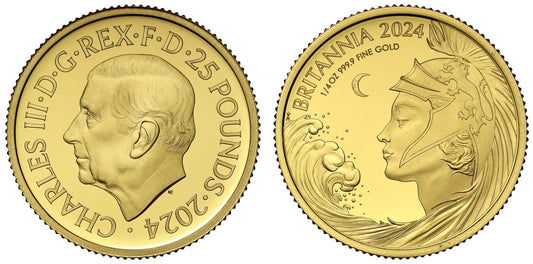
-
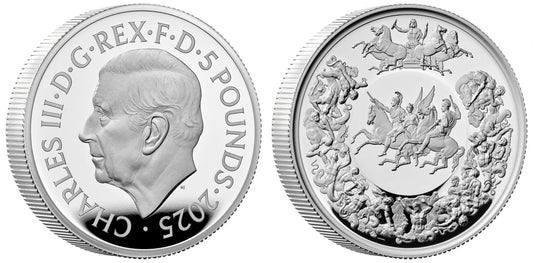
Charles III 2025 silver proof 2oz Waterloo Victory
Regular price £260Regular priceUnit price per